


Elon Musk is reportedly quite upset with the European Union over its new digital regulations, which have resulted in a significant fine for his social media platform.
The tech billionaire finds himself in trouble with the EU, as his social media platform X, previously known as Twitter, has received a €120m (approximately $140m) fine for violating new rules.
The violations pertain to the EU’s Digital Services Act, referencing issues like the platform’s ‘deceptive’ blue tick verification badge, lack of transparency in advertising, and ‘failure’ to grant researchers access to public data.
The 54-year-old executive is not pleased with the decision and has taken to X to criticize the EU, suggesting the union should be ‘abolished’ in several posts.
The CEO of Tesla and SpaceX described Europe as ‘sleep-walking into oblivion’ and posted a comparison of the EU’s flag to Nazi Germany, expressing his frustration.
He further advocated for ‘the people of Europe’ to have the option to ‘withdraw from the EU to regain their sovereignty’.
“I mean it. Not kidding,” Musk stated.
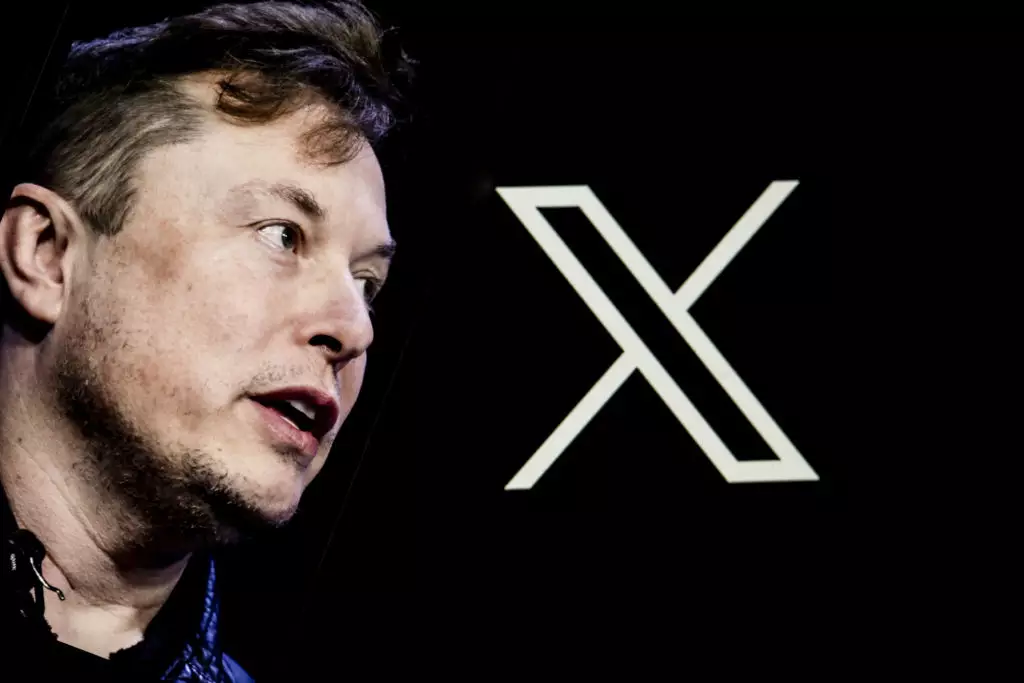
“I love Europe, but not the bureaucratic monster that is the EU.”
This development may also provoke a reaction from the Trump administration, as Vice President JD Vance quickly commented on the issue.
“Rumors swirling that the EU commission will fine X hundreds of millions of dollars for not engaging in censorship. The EU should be supporting free speech not attacking American companies over garbage,” Vance wrote on X, with Musk responding: “Much appreciated.”
The European Commission explained that by allowing users to purchase verification check marks, the platform ‘deceives users’ because it is not effectively verifying account holders, “making it difficult for users to judge the authenticity of accounts and content they engage with.”
The order elaborated: “This deception exposes users to scams, including impersonation frauds, as well as other forms of manipulation by malicious actors. While the DSA does not mandate user verification, it clearly prohibits online platforms from falsely claiming that users have been verified, when no such verification took place.”

Furthermore, it states that the platform’s advertisement repository ‘fails to meet the transparency and accessibility requirements’ of the Act, noting that “accessible and searchable ad repositories are critical for researchers and civil society to detect scams, hybrid threat campaigns, coordinated information operations and fake advertisements.”
The Commission issued the fine after ‘considering’ the multiple violations and ‘their severity in terms of affected EU users.’
X has been given 60 working days to inform the Commission how it plans to rectify the issues related to the blue ticks and 90 working days to submit an ‘action plan’ addressing its advertising model and public data access.
Henna Virkkunen, Executive Vice-President for Tech Sovereignty, Security and Democracy, stated: “Deceiving users with blue checkmarks, obscuring information on ads and shutting out researchers have no place online in the EU. The DSA protects users.
“The DSA gives researchers a way to uncover potential threats. The DSA restores trust in the online environment. With the DSA’s first non-compliance decision, we are holding X responsible for undermining users’ rights and evading accountability.”