

The release of millions of records connected to deceased financier and convicted sex offender Jeffrey Epstein is shedding new light on his network of powerful associates—and it may also have clarified a mystery that has lingered for years.
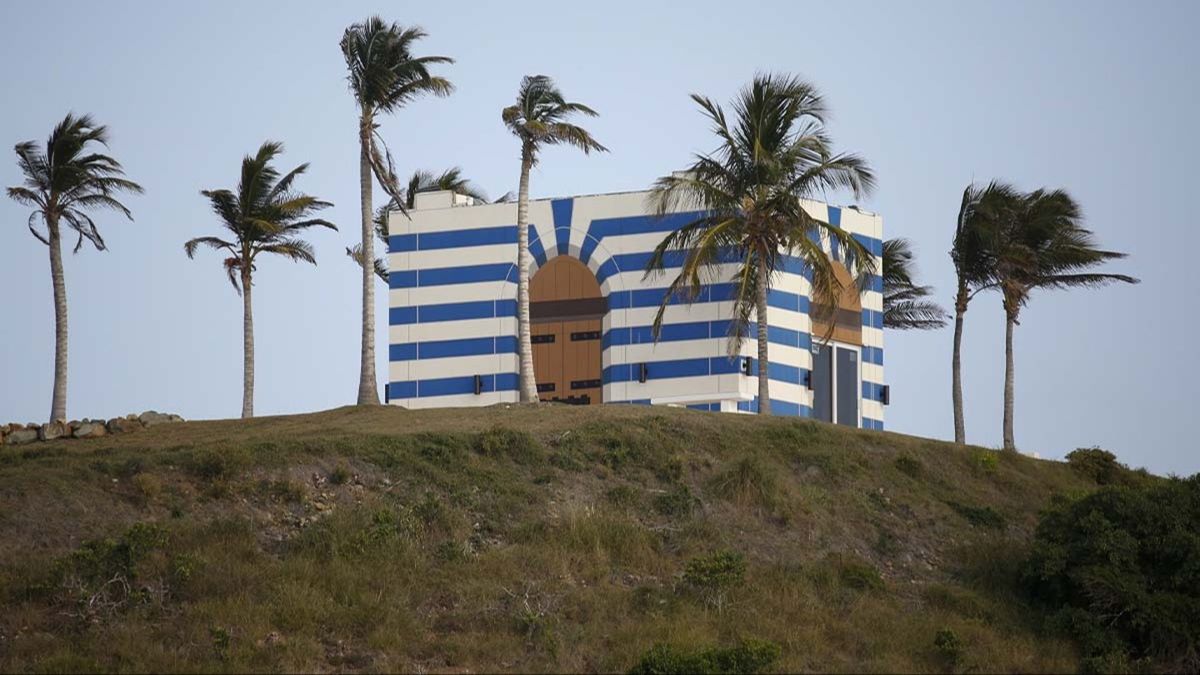
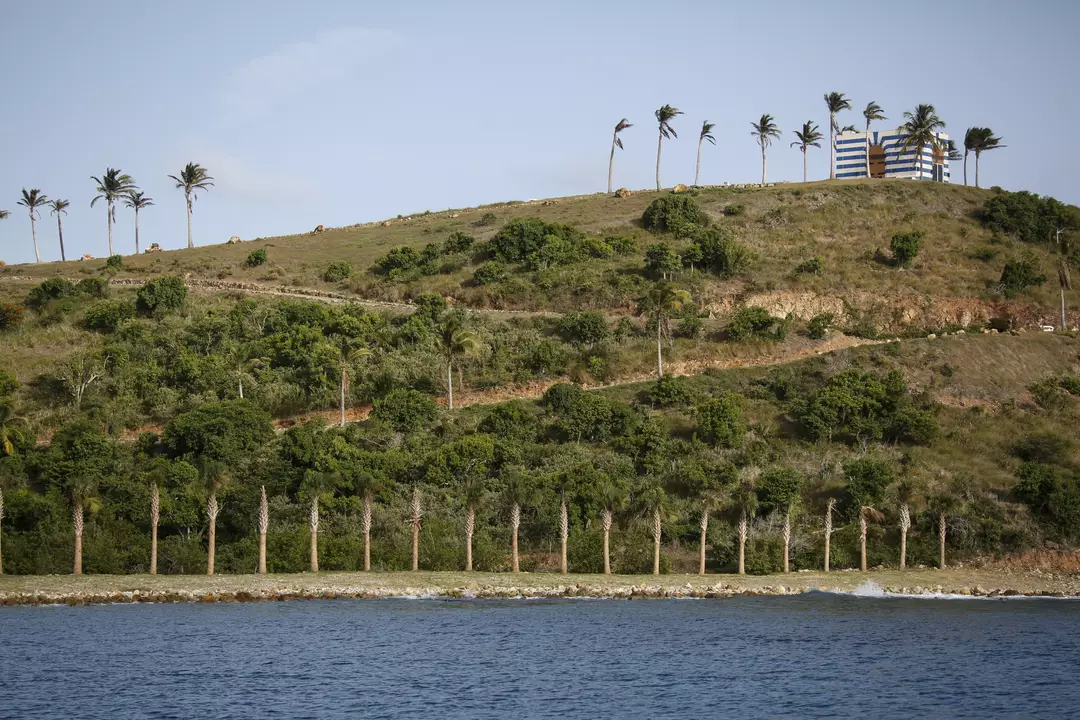
One question that has long puzzled observers is the reason behind the unusual blue-striped, gold-domed structure on his private Caribbean island, Little St James, a building that stands out starkly from the rest of the property.
Speculation has swirled around the building for years, fueling a range of conspiracy theories. Now, material contained within roughly three million documents made public by the Department of Justice under the Epstein Files Transparency Act appears to point to a straightforward explanation.
Alongside thousands of videos and images, the newly released files offer a disturbing window into Epstein’s life—while also indicating that the odd domed structure was most likely intended to be a mosque.
The claim is striking in light of Epstein’s well-documented ties with Israel, including photographs of him wearing an IDF sweatshirt and reports of frequent communication with former Israeli Prime Minister Ehud Barak.
Still, documents suggest Epstein repeatedly referred to the gold-domed building as a “mosque,” aligning with accounts of his interest in ancient Islamic art and architectural aesthetics.
“It should look old… it will be for the inside walls, like a mosque, I would love to see examples,” he wrote in one exchange about selecting tiles for the project. Whether the structure was ever used for religious practice remains unclear.
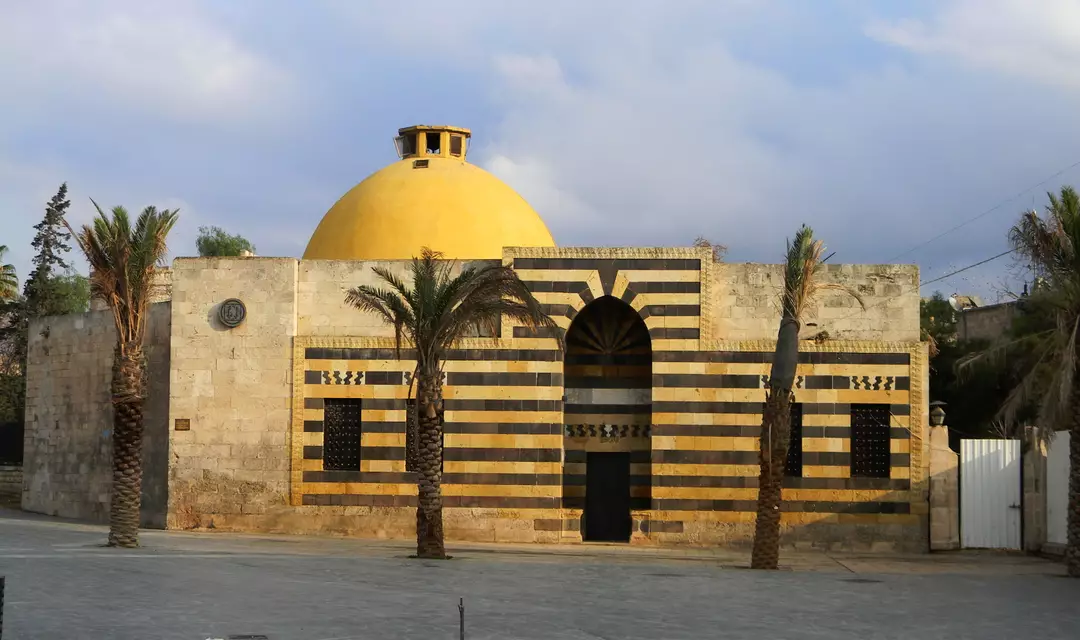
Emails from 2013 indicate the design was inspired by the Yalbugah Hammam, a centuries-old Mamluk bathhouse in Aleppo, Syria, known for its striped exterior and distinctive golden dome.
Other correspondence—dating back to 2009—suggests Epstein developed the concept while he was incarcerated in Florida after his plea deal related to soliciting underage prostitution, reaching out to architects about creating a Turkic-style hammam bathhouse.
The newly disclosed files also suggest that, despite describing himself as a secular Jew, Epstein continued to label the building his “mosque” and sought religious artifacts to furnish it.
Among the most alarming claims in the emails is the alleged acquisition of items described as originating from one of Islam’s holiest sites. “We are receiving 3 pieces from the Kaaba,” his assistant wrote, referencing the Kaaba in Mecca, the direction Muslims face during daily prayers.
Additional messages from 2017—two years before Epstein was found dead in his cell at the Metropolitan Correctional Center—show him communicating with Aziza Al Ahmadi, described as working for the Royal Court of Saudi Arabia, in an apparent effort to secure further objects “for the mosque.”
Alongside the purported Kaaba fragments, the correspondence discusses additional items said to be from within Islam’s most sacred site, including the kiswa, the large cloth that covers the Kaaba and is touched by pilgrims during Hajj.
The emails describe the kiswa as exceptionally valuable—handwoven using 1500 pounds of silk and 250 pounds of gold and black thread—and estimate it could be worth around $5 million. Al Ahmadi told Epstein: “The black piece was touched by minimum 10 million Muslims of different denominations, Sunni, Shia and others.
“They walk around the Kaaba seven rounds then every one tries as much as they can to touch it and they kept their prayers, wishes, tears and hopes on this piece. Hoping after that all their prayers to be accepted.”