

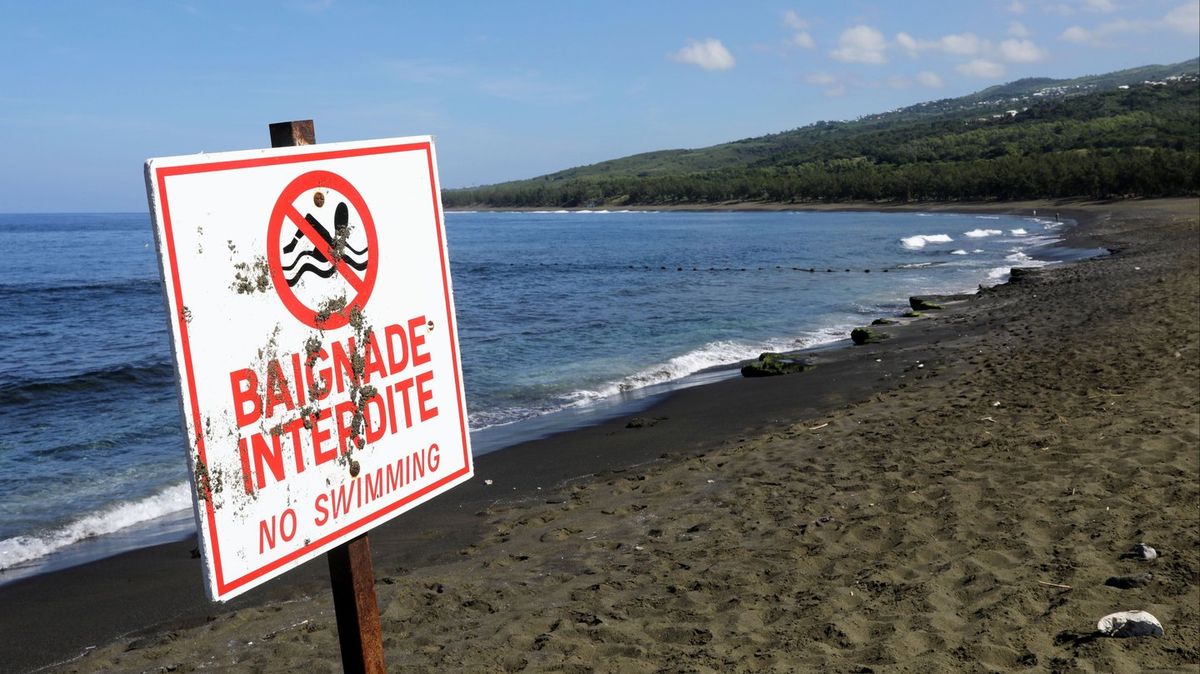
For many holidaymakers, nothing beats a day at the beach and a swim in the sea, but on one European island, strict safety measures mean that’s not always possible.
Réunion Island, a French territory in the Indian Ocean off the coast of Africa, has become closely associated with a years-long problem involving shark attacks.
From 2011 to 2019, about 30 attacks were reported there, including 11 deaths. In an effort to reduce the danger, authorities brought in rules banning swimming across large sections of the island’s coastline. The ban, first imposed in 2013, has been repeatedly renewed and remains in place today at most beaches, though some areas have been gradually reopened with lifeguard supervision and advanced safety measures.
“Due to the particularly abundant marine wildlife, swimming, water sports and diving are forbidden within a perimeter of 300m around the Reunion Island coastlines,” the island’s tourist board said.
One of the most harrowing cases came in July 2015, when Rodolphe Arriéguy was attacked in the water while his friend, Erwann Lagabrielle, witnessed the scene.
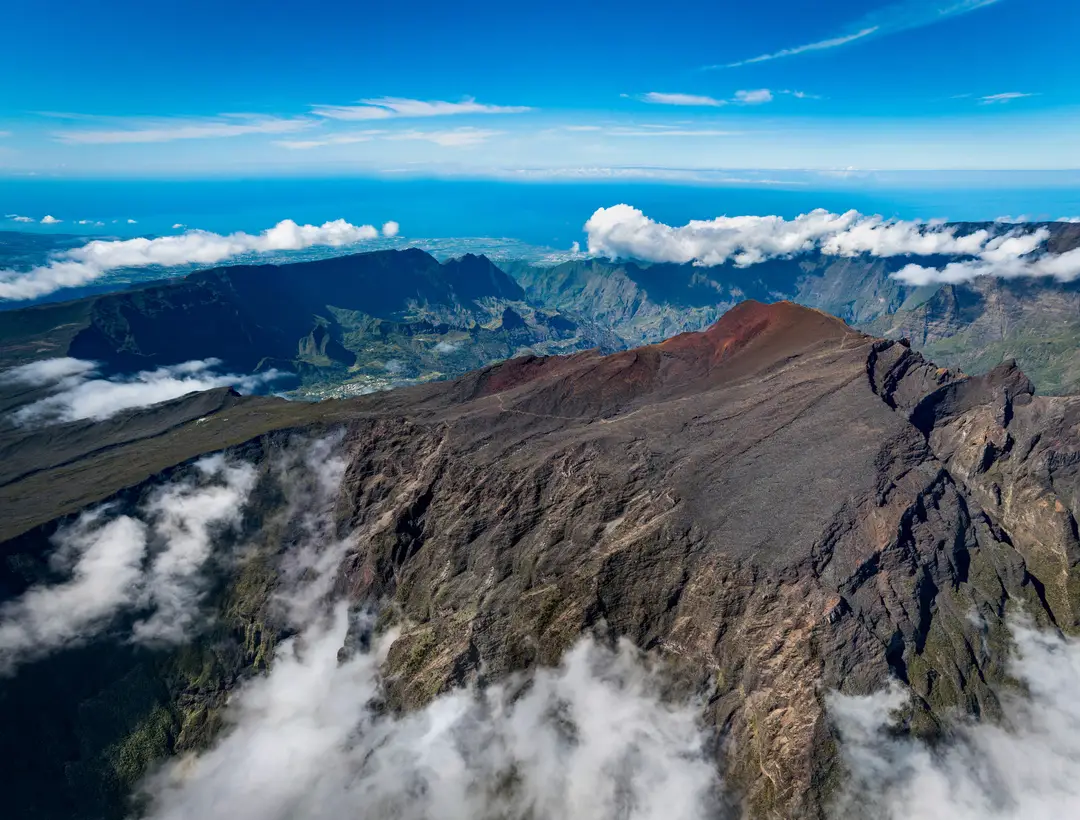
The attack took place at Saint-Leu, an area often regarded as one of the island’s most popular coastal spots during warm weather.
Recalling what he saw, Dr Lagabrielle told 9news.com.au: “[Rodolphe] was attacked by a shark 20 metres in front of me. It was like a horror movie.”
He then swam out to reach his friend, despite not yet knowing the full extent of the injuries.
He added: “The water was white foam and then the white turned to pink and the pink turned to red. I swam to my friend and that was the most frighting thing — I was swimming against my own instinct.”
Arriéguy suffered multiple bites, but Lagabrielle managed to slow the blood loss by using a surfboard leash as a tourniquet.
“The shark swam away and I knew in most cases there was no re-attack,” Dr Lagabrielle added.
From that moment, he believed his friend had a real chance of pulling through.
After being taken to hospital, Arriéguy ultimately had his arm amputated, adding his case to a long list of devastating shark-related incidents around the island.
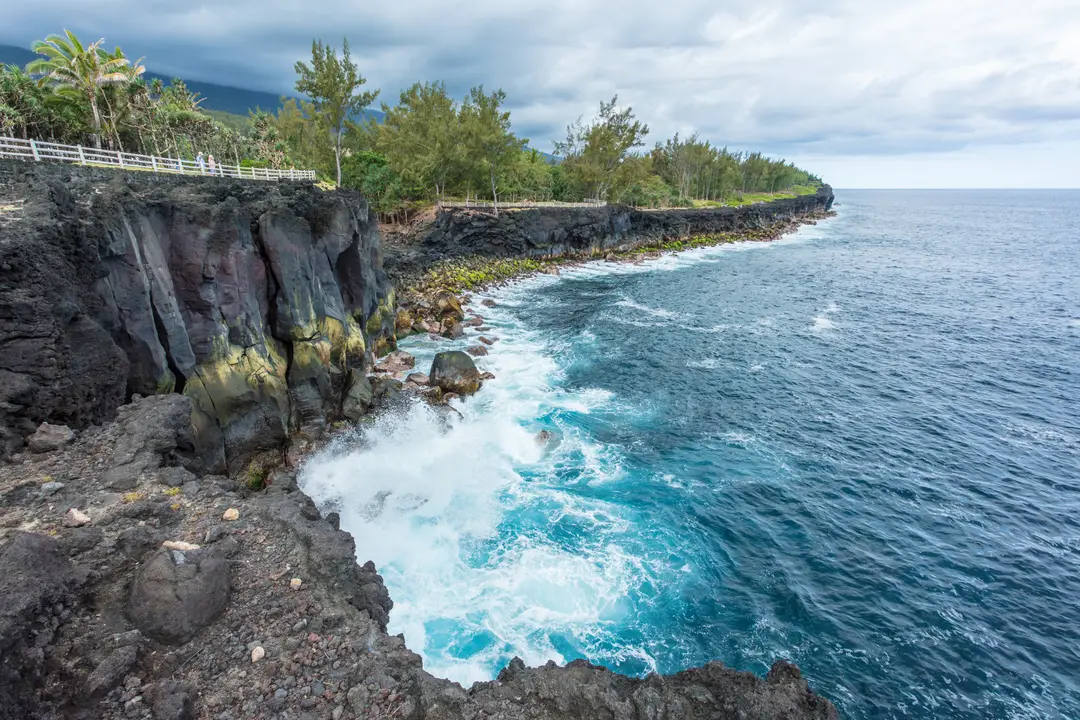
Experts believe roughly 90 percent of the attacks involved bull sharks, a species frequently considered especially dangerous to humans because it can move efficiently through rivers as well as coastal waters. Tiger sharks have also been responsible for many of the island’s fatal attacks and are more common in the region, accounting for a significant portion of incidents.
What made the rise in attacks even more puzzling was that the incidents later appeared to stop just as suddenly, with no shark attacks recorded on the island for seven years. The last fatal attack occurred on May 9, 2019, when French surfer Kim Mahbouli was killed by a bull shark near Saint-Leu.
The restrictions on swimming at many beaches are thought to have helped, although some parts of the coastline still allow people into the water within marked safe zones. Residents also say confidence in the sea has gradually returned. In recent years, authorities have been slowly reopening some surfing spots and experimenting with layered defenses, including exclusion nets, boat patrols, underwater freedivers who spot sharks, and automated cameras that use artificial intelligence to detect sharks. In 2024, Réunion hosted major international surf contests, signaling a cautious return to normalcy.
Quentin Cesard, the former sports director of island’s surf league, told The Inertia: “When you look through the (lens of) freesurfing, it’s back to what it used to be in Réunion.
“It was a tough time. We lost many friends, but it’s pretty much like everywhere else in the world now. I mean, we’ve got sharks in the ocean, which is normal, but we continue to surf.”
Meanwhile, Laury Le Coustour, a shop owner on the island told the outlet that the summer season has returned to the ‘very busy’ levels seen years ago, with lineups at popular beaches now featuring as many as 40 people in the water—numbers not seen for 16 or 17 years during the height of the crisis.