


Heading to Europe for a summer getaway? It’s worth checking the latest rules for crossing borders, because new procedures could make travel more complicated if you’re unprepared.
US travelers hoping to wander medieval squares and historic neighborhoods across Europe should be aware that entering and leaving parts of the EU may now involve extra steps.
The change comes as the European Union moves ahead with a long‑discussed border upgrade—an initiative first floated for years, with a gradual rollout beginning in October after earlier planning.
The European Commission is now officially bringing in its Entry/Exit System (EES), designed to tighten external border security and improve enforcement of immigration requirements.
Newsweek reports that more than 24,000 people have already been refused under the system, and the shift could also affect American vacationers traveling through participating countries.
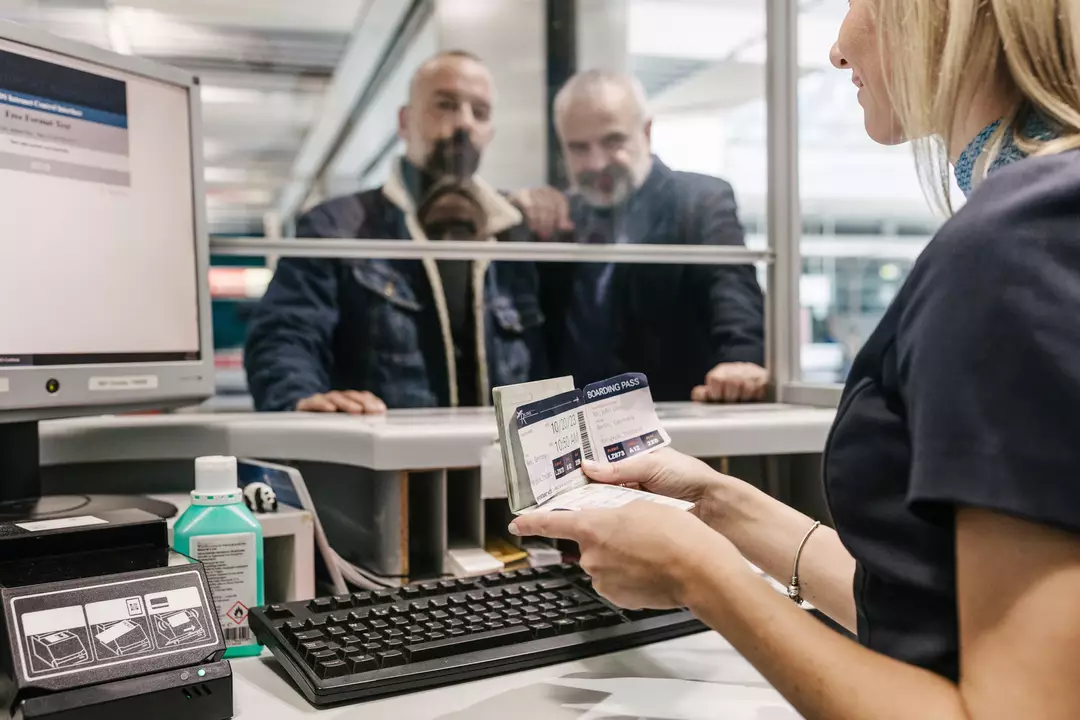
The checks focus on issues such as invalid paperwork, not providing enough justification for a trip, being flagged as a possible security concern, and other potential problems.
According to the UK Government, the requirement applies within the Schengen area, which includes Austria, Belgium, Bulgaria, Croatia, Czechia, Denmark, Estonia, Finland, France, Germany, Greece, Hungary, Iceland, Italy, Latvia, Liechtenstein, Lithuania, Luxembourg, Malta, Netherlands, Norway, Poland, Portugal, Romania, Slovakia, Slovenia, Spain, Sweden, Switzerland.
Under the digital system, travelers must provide biometric information—typically fingerprints and a photograph—when they arrive.

For Americans, that may mean longer waits at border control at first, as officials complete the added screening and create your entry record.
The Airport Association ACI Europe and Airlines for Europe (A4E) said of the delays in a joint statement that ‘waiting times are now regularly reaching up to two hours at peak traffic times, with some airports reporting even longer queues.’
The expectation is that queues will reduce over time as more travelers are enrolled and processes become more routine.
From April 10 onward, the system is expected to be operating across all participating locations. That means non‑EU visitors—including US citizens—traveling to the affected countries for short visits of up to 90 days in any 180‑day period will need to provide biometric data, according to Travel to Europe.
It may feel inconvenient at the start, but the aim is for the process to become faster and more straightforward as the rollout settles in.