

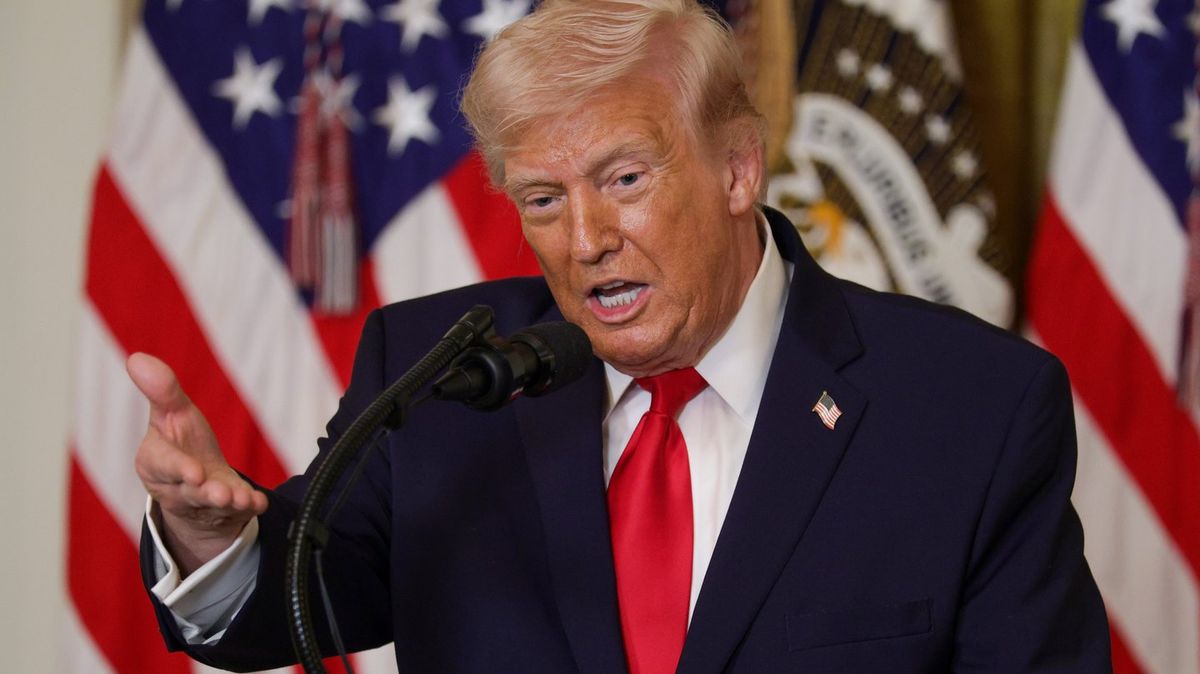
Donald Trump has urged friendly nations to step up support for the US and Israel as the conflict with Iran continues.
Trump has repeatedly said the campaign is progressing as planned, claiming the operation has moved faster than originally expected.
Last week, he told Axios:
“The war is going great. We are way ahead of the timetable. We have done more damage than we thought possible, even in the original six-week period.”
He also suggested the targets remaining in Iran are limited, saying:
‘practically nothing left to target’
Since making those comments, Trump has pushed for America’s allies to contribute more directly to the effort.
But several partners have already indicated they will not participate in expanded military action, a stance that appears to have irritated the President.
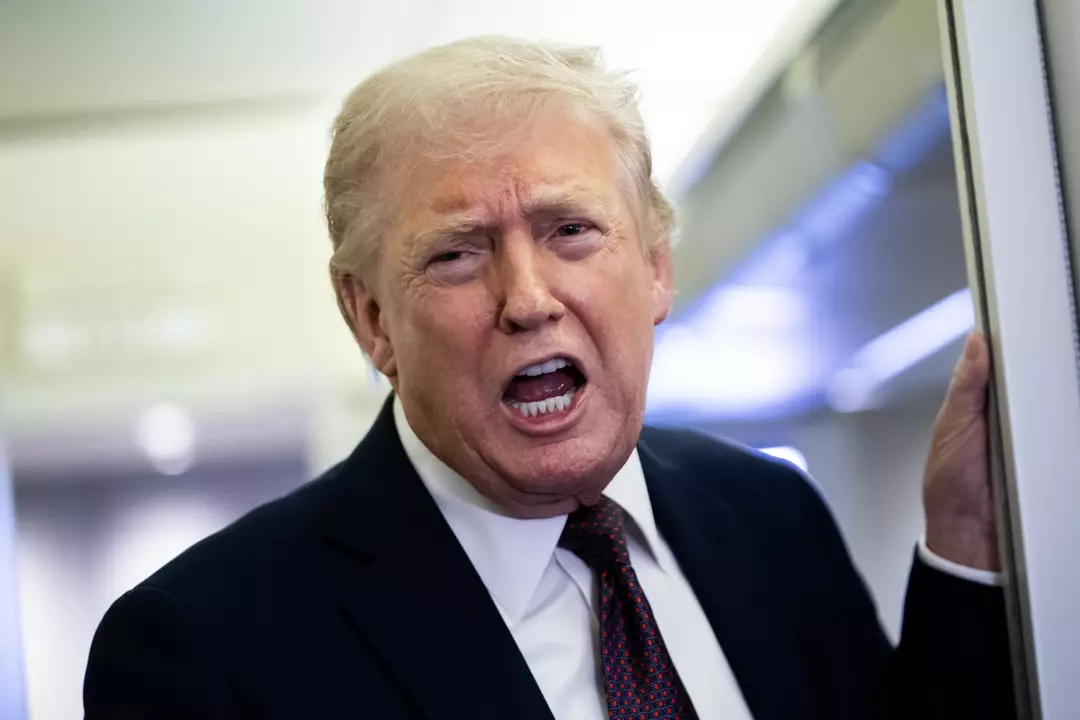
Despite frequent references to a close bond between London and Washington, the UK has signalled it wants to lower tensions rather than widen the conflict.
‘special relationship’
UK Prime Minister Keir Starmer said this week that any decision to send forces would require clear legal grounds as well as a detailed strategy.
‘properly thought-out plan’
Starmer also argued that restoring stable energy shipments from the Gulf would be best achieved through diplomacy, calling for:
‘negotiated agreement’
He further stressed:
“Let me be clear: that won’t be, and it’s never been envisioned to be, a NATO mission.”
Italy has delivered a similar message. Foreign minister Antonio Tajani said:
‘diplomacy needs to prevail’
Germany’s response has been among the most definitive. Chancellor Friedrich Merz rejected the idea of German military involvement and said:
“There was never a joint decision on whether to intervene.
“That is why the question of how Germany might contribute militarily does not arise.We will not do so.”
Merz has also argued that the current leadership in Tehran cannot remain in place, saying the Iranian regime:
‘must end’
But he has cautioned that air strikes alone are not the right way to force that outcome.

Greece has also confirmed it will not take part in military activity tied to the Strait of Hormuz, after Iran reportedly attempted to obstruct passage for ships that usually travel through the area without disruption.
Other European states have been less explicit, indicating they want more clarity on the broader strategy in Iran before committing to any support. Those countries include the Netherlands, Estonia and Lithuania.
Australia has also rejected the prospect of deploying naval assets to the region. Australian transport minister Catherine King said:
“We won’t be sending a ship to the strait of Hormuz,
“We know how incredibly important that is but that’s not something we’ve been asked or we’re contributing to.”
South Korea has offered a more cautious response, saying it will keep in close contact with the US as the situation develops.