


Warning: This article contains discussion of drug addiction which some readers may find distressing.
A young woman has shared her experience of how her ketamine addiction led to severe bladder issues, initially mistaking them for a urinary tract infection (UTI).
Amber Currah was introduced to drugs at the age of 14, experimenting with substances such as cocaine and MDMA.
At the age of 17, she encountered ketamine, a substance classified as Schedule III under the Controlled Substances Act due to its high potential for addiction and harm.
Residing in the UK, she soon began using ketamine outside of party environments, and drug use became a recurring pattern in her life.
In a conversation for the Minutes With YouTube series, Amber recounted how this led to her nearly decade-long dependency on ketamine.
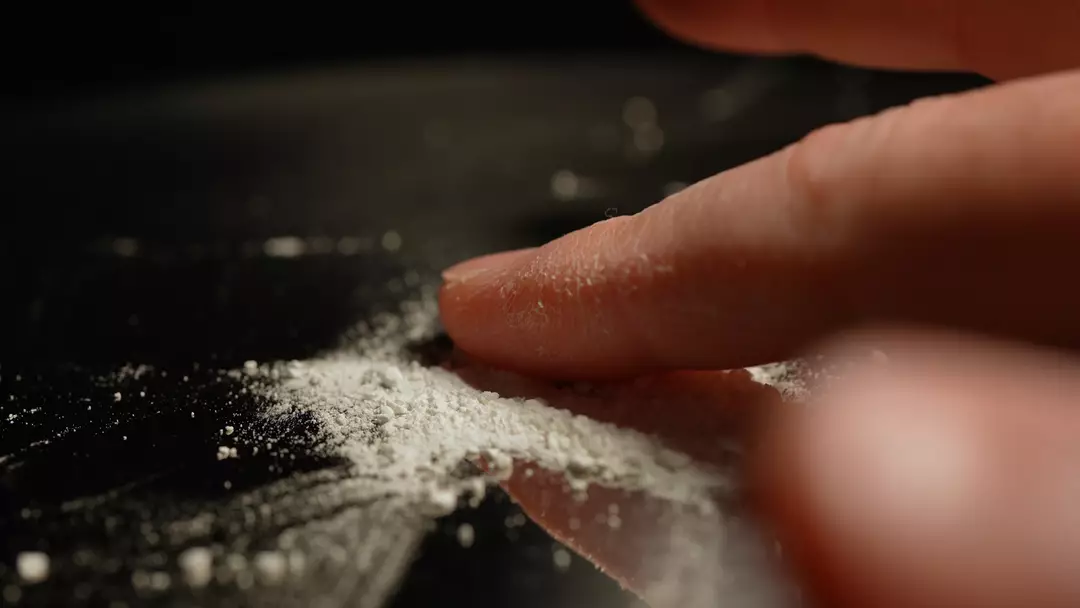
According to the Drug Enforcement Administration (DEA), ketamine is characterized as a ‘dissociative anesthetic with hallucinogenic effects’.
The agency explains: “It distorts perceptions of sight and sound and makes the user feel disconnected and not in control. It is an injectable, short-acting anesthetic for use in humans and animals. It is referred to as a ‘dissociative anesthetic’ because it makes patients feel detached from their pain and environment.”
For users, it can lead to a state of sedation, pain relief, amnesia, and other effects.
However, it also has the potential to cause anxiety, dissociative sensations, and hallucinations in some individuals.
What began as a substance used at parties turned into something Amber felt compelled to consume whenever she left her house.
After years of use, the impact on her bladder was severe.

Amber mentioned that despite disliking it initially, continued usage made her realize ketamine was ‘the drug for me’.
Gradually increasing her intake, she soon recognized she had a ‘problem’ on her hands.
This led to her experiencing ‘ket bladder’, a condition where ketamine use causes non-reversible bladder damage by breaking down tissue fibers, causing scarring and inflammation, according to Castle Craig.
“Ketamine bladder, now that I know, is what happens is the way that ketamine metabolises inside your body then affects the bladder wall,” Amber explained. “It basically just shreds the bladder lining and that causes your bladder to shrink or be sunken, which then makes the capacity a hell of a lot smaller.”
While a typical female bladder can hold about 500ml, at one stage, Amber’s bladder could only hold 20ml, necessitating frequent bathroom visits.
As a result, Amber had to ‘wear nappies all the time’ because she was ‘weeing 200 times a day’ and enduring ‘constant agony’.
Now 28, Amber continues to wear adult nappies, with the pain serving as a harsh reminder of her past struggles.
If you need confidential advice about drugs, you can reach out to American Addiction Centers at (313) 209-9137 24/7, or visit their website.