

A former military diver has shared his view on what the five divers who died during a cave dive in the Maldives may have encountered inside the cave’s third chamber.
Five Italian tourists were confirmed dead on Thursday (May 14) after disappearing while diving in the waters of Vaavu Atoll.
Diving instructor Gianluca Benedetti, Muriel Oddenino, and Federico Gualtieri, along with University of Genova lecturer Monica Montefalcone and her 20-year-old daughter, Giorgia Sommacal, all died after they did not return to the surface.
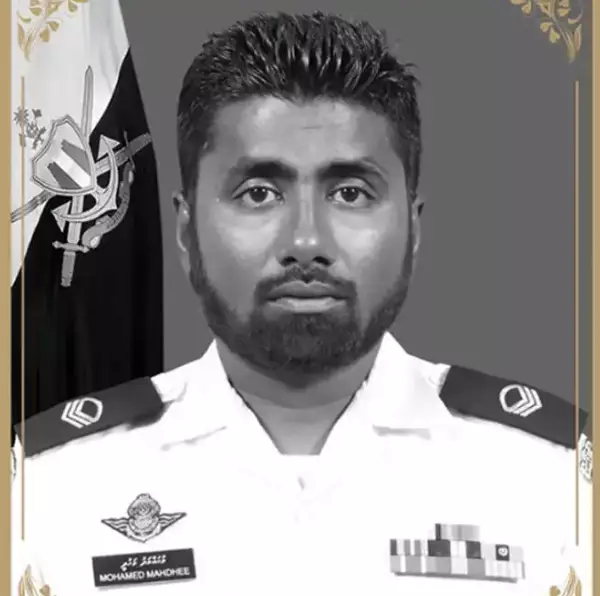
During the subsequent search, Sergeant Major Mohammed Mahudhee also died after running into trouble while taking part in the operation.
Authorities later located Benedetti near the entrance to Thinwana Kandu cave. The remaining members of the group were found days later on Monday, deeper inside the system at the bottom of the third chamber.
A recovery effort is now underway to bring the bodies out of what has been described as a hazardous section of the cave.
Former military diver Shafraz Naeem has spoken about the risks of the third chamber, and why he believes the cave can be particularly punishing if anything goes wrong.
“I have visited those caves countless times. There is no current. They swam into that third cave. They chose to go in there,” Shafraz Naeem claimed.
“I believe the instructor intentionally swam away from the group. Maybe he legged it up before he ran out of air. The rest of the group died in that third chamber and Benedetti died in the passageway trying to get out.”
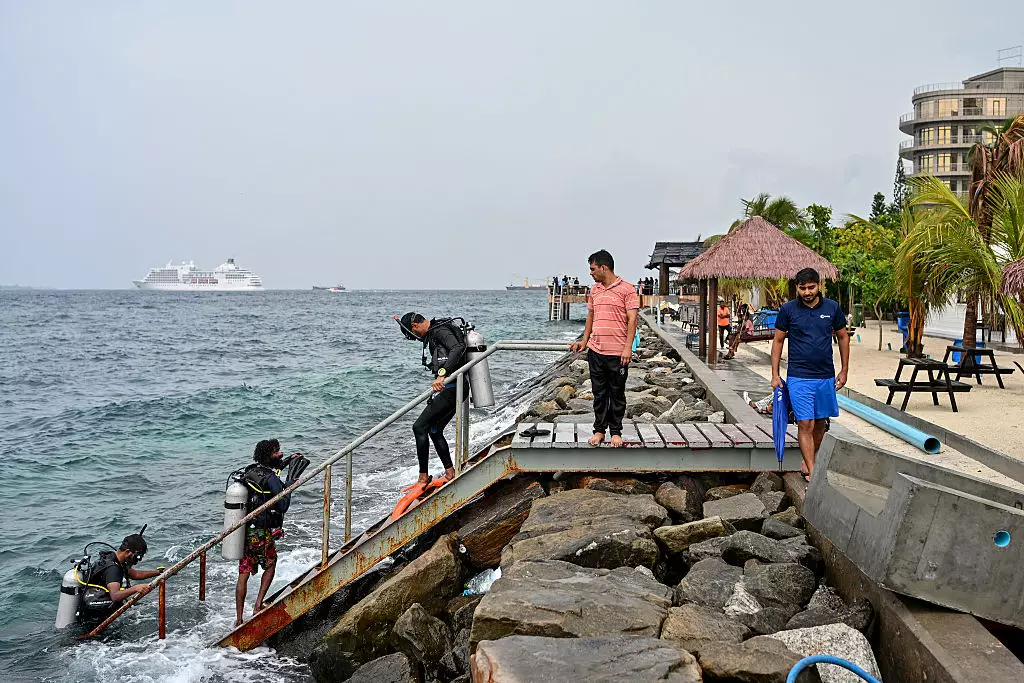
The cave is understood to be made up of three chambers linked by narrow passages. Reports suggest the entrance sits at around 47 metres deep, which exceeds the Maldives’ typical 30-metre recreational limit.
However, Mohamed Hossain Shareef, a Maldivian government spokesperson, said that Montefalcone’s team had a permit connected to their scientific work that allowed them to go as deep as 50 metres.
Shareef said the group had approval to conduct coral research, but that no cave dive had been declared as part of the plan.
“What we didn’t know was that it was cave diving,” Shareef said. “Because, as divers will tell you and appreciate, it’s a very different discipline with its own sets of challenges and risks involved, and particularly at that depth, there are any number of things that could have gone wrong.”
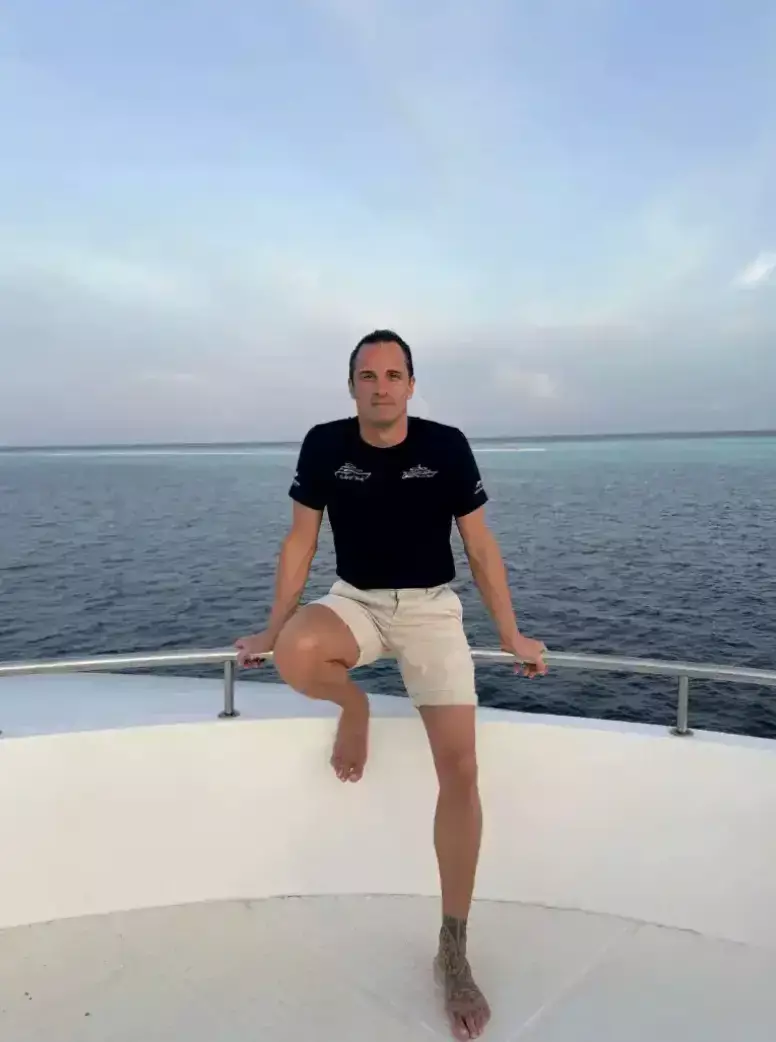
Naeem also said he has personally avoided entering the third chamber, citing what he sees as the heightened danger at that stage of the cave.
“The cave is unforgiving. It is closed, pitch-black and you can only see where you shine the light,” he said.
“If something goes wrong, you cannot shoot up to the surface like you can in open dives. You are stopped and restricted, and, at that depth of below 55m [181ft], it is just completely dangerous.”
Separately, a lawyer representing the tour operator overseeing the trip said they deny authorising, or knowing about, any plan to exceed local diving limits, according to Corriere della Sera.
An investigation into the incident remains ongoing.