

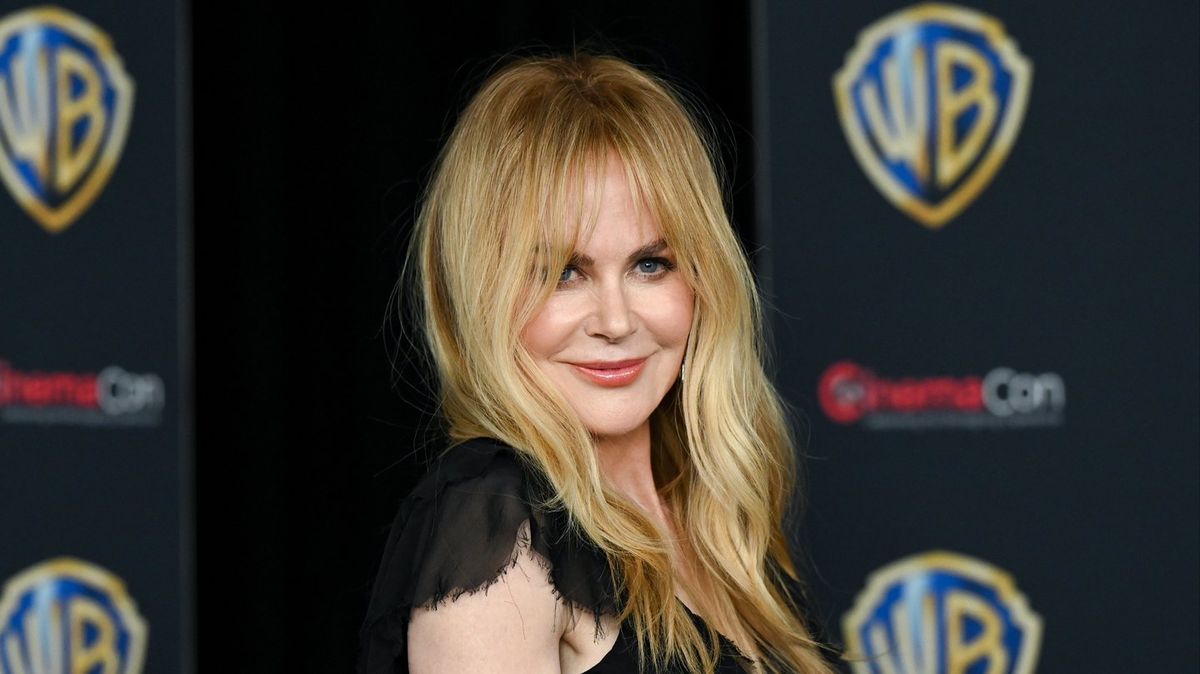
Nicole Kidman is taking on a new, more somber kind of challenge, sharing that alongside her hugely successful film and TV career — plus work as a recording artist, philanthropist and brand ambassador — she is training to become a “death doula”.
The 58-year-old Oscar winner recently said her next step would be “a little weird,” as she begins learning how to support people through the last phase of life.
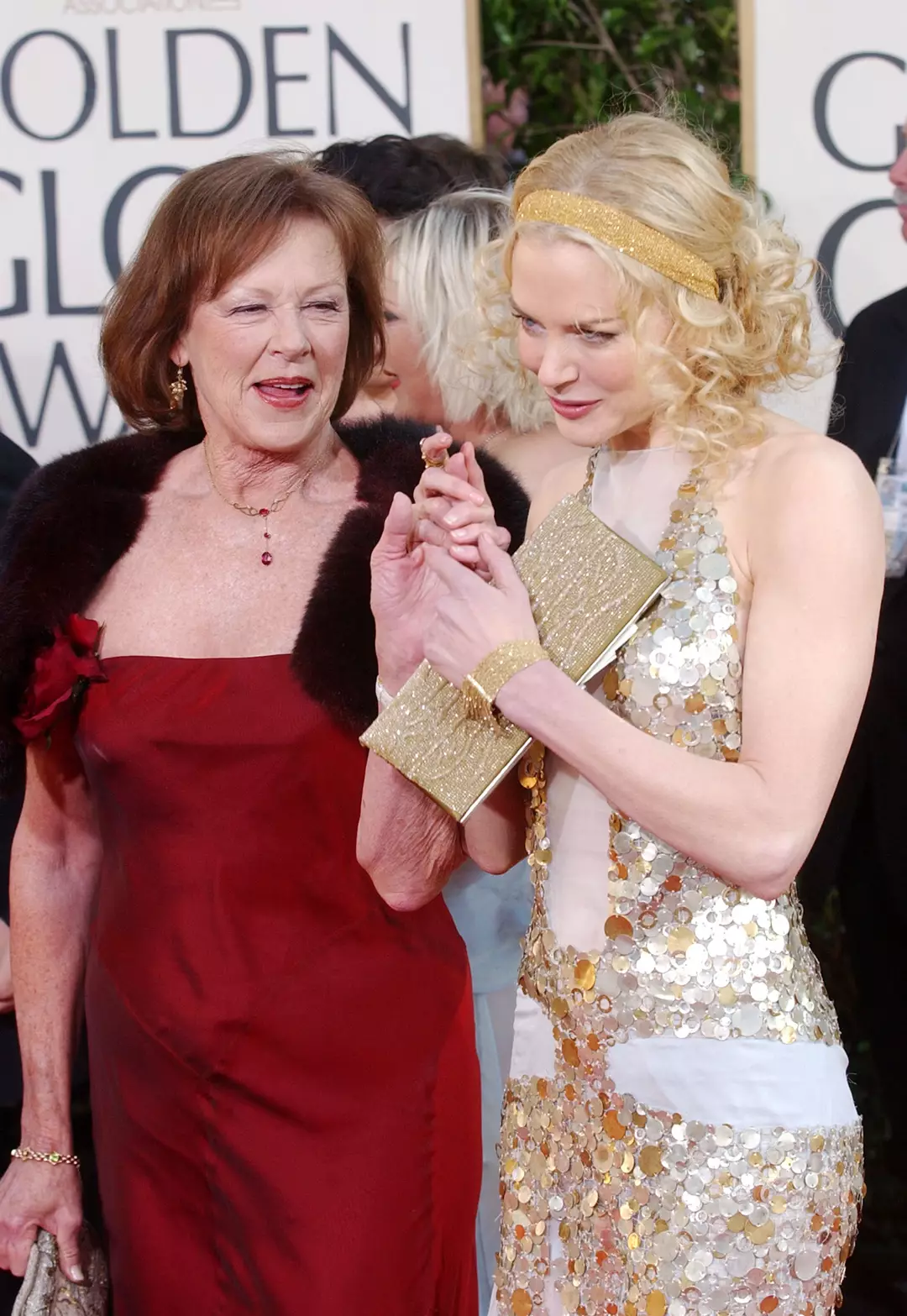
Her decision was shaped by losing her mother, who died aged 84 in 2024. Kidman told the San Francisco Chronicle: “As my mother was passing, she was lonely, and there was only so much the family could provide.”
Because of her demanding schedule, Kidman said she couldn’t always be present in the way she wished during her mother’s final days, and it left her feeling that an impartial, dedicated presence — someone able to offer comfort and calm — could have helped. That’s what led her to learn more about death doulas.
Many people already understand what a doula does in the context of childbirth: offering steady emotional support and practical help before, during and after delivery. The idea of a death doula is newer, but follows a similar principle.
Where birth doulas can help families navigate plans, communication and the flurry of decisions around labor, a death doula focuses on the non-medical needs that come with dying — essentially providing guidance and stability at the opposite end of life.
Instead of newborn advice, a death doula may help someone and their loved ones handle the personal side of death: encouraging honest conversations, supporting families as they prepare, and assisting with arrangements that reduce stress.
They can also advocate for a person’s preferences at the end, including whether someone might be able to die at home — something many people say they would want if given the choice.
Kidman has also spoken publicly about learning of her mother’s death while she was away at an awards event in Venice, describing it as a moment that pushed her to rethink what support looks like at the end of life.
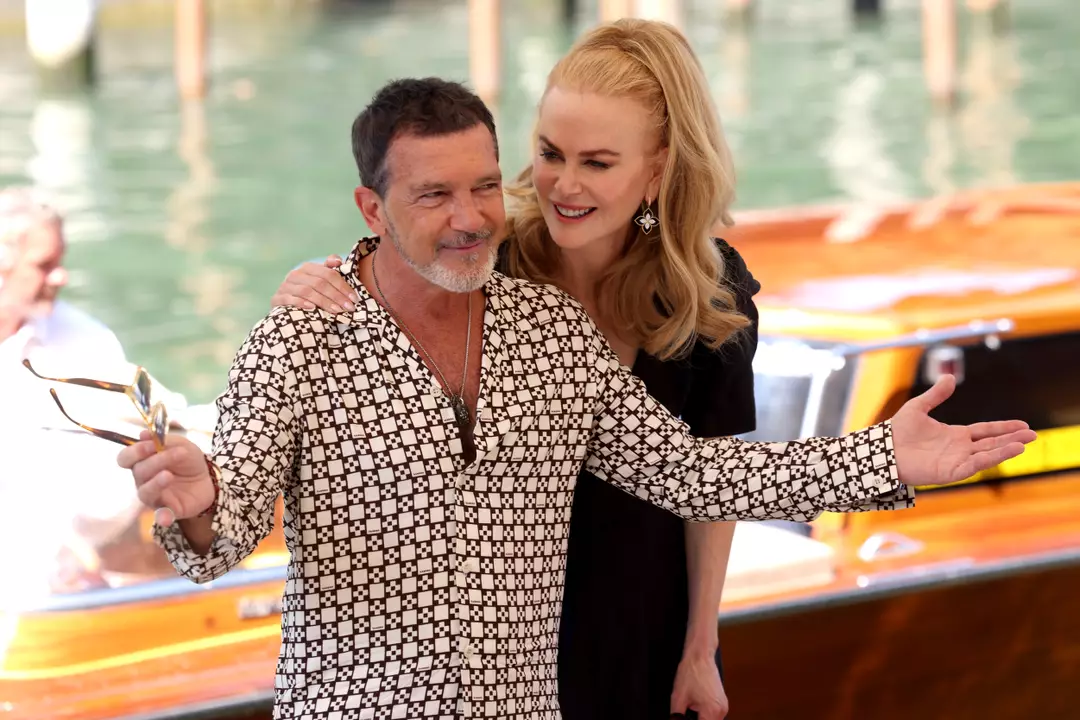
“I was about to go on stage, and I found out my mother had died. I went right back to the room in Venice, got into bed and was completely devastated,” she told Hollywood Reporter.
She described how disorienting and frightening the experience felt, recalling the frantic attempt to get to the airport before realizing she couldn’t continue in that moment.
“I remember getting into a boat in the canal, and literally at night trying to find my way to the airport, and then turning around and going, I can’t even do this.
“And then went back into the bed, and I was alone. My husband wasn’t there. My children weren’t there. I’d gone to win an award. What should have been a beautiful thing, ended up with that. But there is the contrast of life.”
In her interview with the Chronicle, Kidman expanded on why she felt drawn to this work, again reflecting on the limits families can face when juggling caregiving with jobs and children: “As my mother was passing, she was lonely, and there was only so much the family could provide.
“Between my sister and I, we have so many children and our careers and our work, and wanting to take care of her because my father wasn’t in the world any more.”
She said that living through that experience has influenced what she wants to do next, adding: “So that’s part of my expansion and one of the things I will be learning.”
Now, as Kidman continues her training, she may soon put those skills to use — offering comfort and presence to people as they reach life’s final transition.