

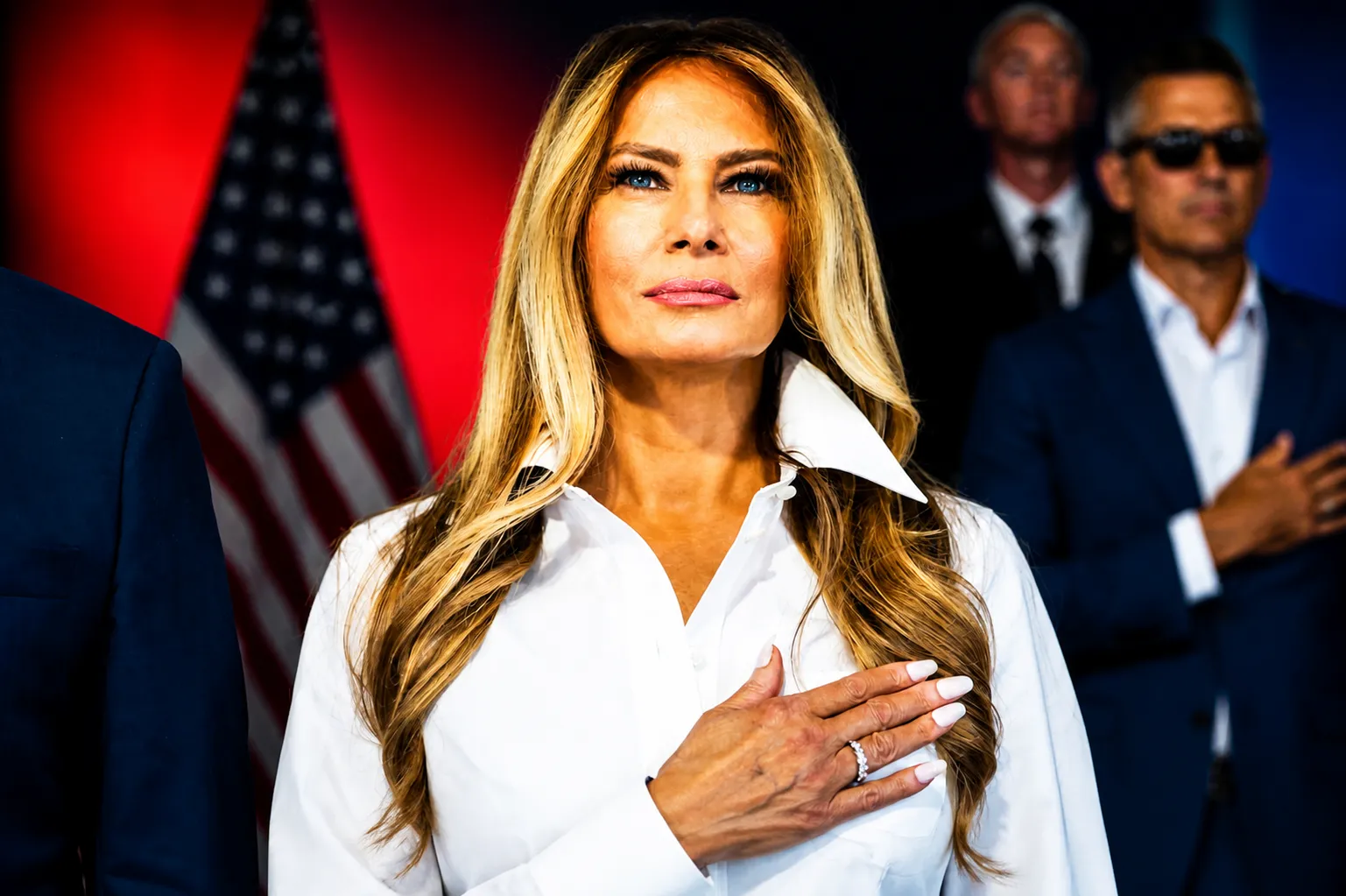
Melania Trump would be required to vacate the White House if President Donald Trump died while serving in office, according to federal protocols and the line of succession.
The Slovenian-born first lady, 56, has occupied the executive residence since January as Trump, who turned 80 last week, began his second non-consecutive term. While the president has reportedly been described as being in “excellent health,” he has faced multiple threats against his life during his political career.
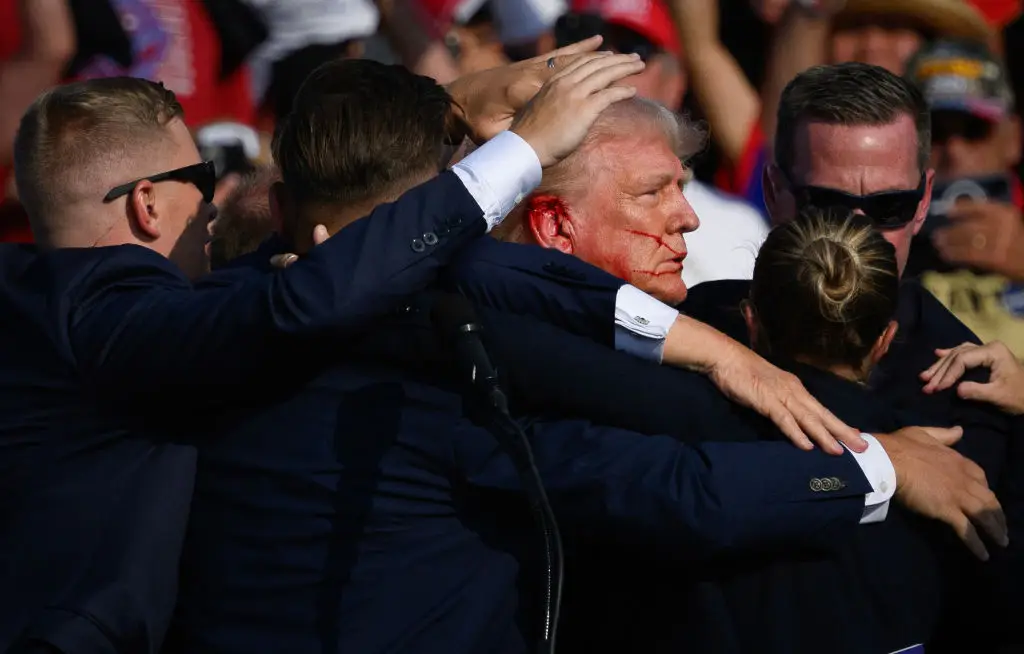
The most serious attempt came in July 2024, when gunman Thomas Crooks opened fire at a campaign rally in Butler, Pennsylvania. The shooter wounded Trump’s ear in the attack that came within inches of being fatal, according to assessments of the assassination attempt. Had the bullet struck just slightly differently, the president would likely have been killed.
Assassination attempts targeting American presidents are a grim feature of the nation’s history. Four presidents have been killed while in office, with John F. Kennedy’s 1963 death in Dallas marking the most recent such tragedy. Jacqueline Kennedy, widowed at 34, became the face of a first lady suddenly thrust into mourning while the world watched.
Under existing federal law, Melania would retain certain financial protections regardless of whether Trump died in office or after leaving the presidency. The Former Presidents Act guarantees widows of former presidents a monetary allowance of $20,000 per year, paid in monthly installments by the Secretary of the Treasury.
The statute specifies the conditions for receiving these funds: “The widow of each former President shall be entitled to receive from the United States a monetary allowance at a rate of $20,000 per annum, payable monthly by the Secretary of the Treasury, if such widow shall waive the right to each other annuity or pension to which she is entitled under any other Act of Congress.”
This allowance would begin the day after Trump’s death and would continue until Melania’s own death or until she remarried before reaching age 60, whichever came first.
Should the president die while serving, Vice President JD Vance, 40, would immediately assume the office under the 25th Amendment. The former Ohio senator would then relocate with his wife Usha Vance and their three young children from the vice president’s official residence at Number One Observatory Circle to the White House itself.
Vance would serve out the remainder of Trump’s term through January 2029, at which point he would be eligible to run for two full terms of his own. During his ascension to the presidency, he would have the authority to nominate a new vice president, subject to confirmation by both houses of Congress.
Melania’s personal immigration status would remain unchanged by her husband’s death. She became a naturalized U.S. Citizen in 2006, five years after obtaining a green card through the EB-1 visa program for individuals with “extraordinary ability.” Her path to citizenship has drawn renewed attention given Trump’s own policy proposals this year, when he suggested potentially stripping naturalized Americans of their citizenship under certain circumstances.
The former model, who grew up in Sevnica, Slovenia when it was part of Yugoslavia, would retain all rights and privileges of her citizenship status regardless of her marital status or her husband’s fate.
The practical arrangements for a presidential widow’s departure from the White House would unfold rapidly, with the incoming president’s family typically moving in within hours of the funeral ceremonies. Historical precedent offers limited guidance for such transitions, as no president has died in office since the 1963 assassination of Kennedy and the institutional protocols have evolved considerably in the decades since.