

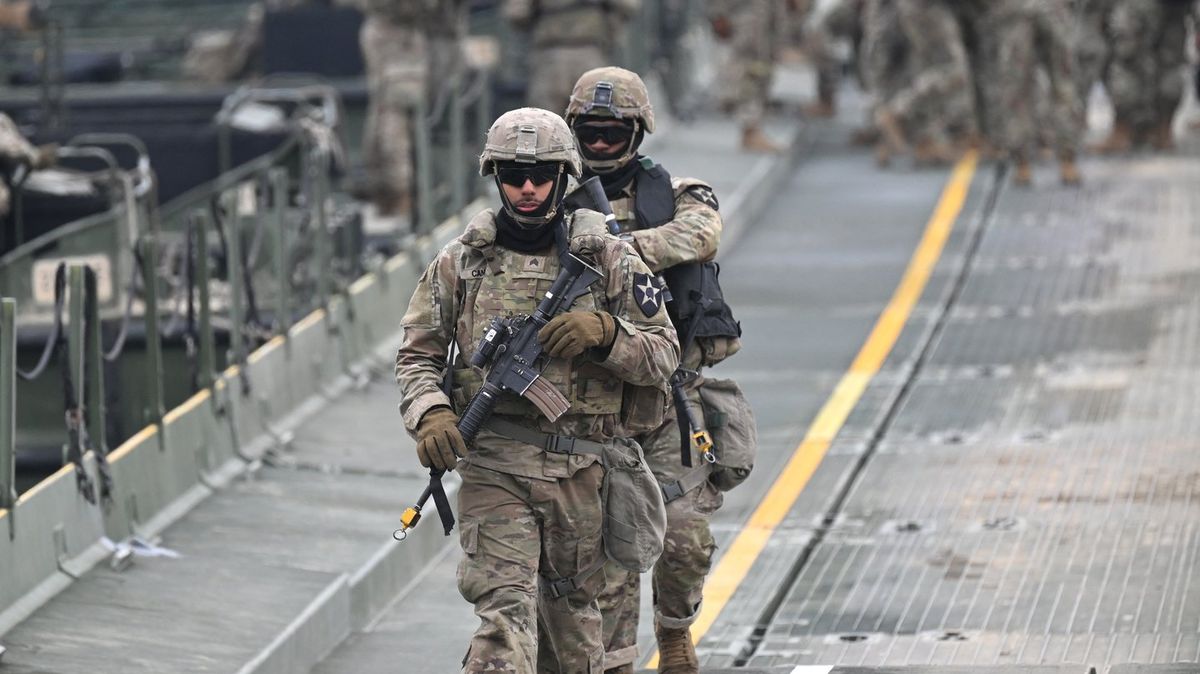
By the end of the year, millions of Americans are expected to be automatically enrolled for a potential US military draft, with eligible individuals added directly to a federal database, according to reports that surfaced this week.
The development follows a December 2025 vote in Congress aimed at modernizing and speeding up the process by moving to automatic enrollment, replacing the current system in which eligible people must sign up with the Selective Service System (SSS) within 30 days of turning 18.
Under the new approach, automatic enrollment could place as many as 15 million people into the system by the December 2026 deadline. If conscription were ever reinstated, that database would be used to identify those who could be called into service.
Not all Americans would be impacted in the same way. Several categories of people are excluded from being drafted if a major conflict triggers conscription—something that has been considered improbable since the last draft ended near the close of the Vietnam War era. However, the Trump administration has recently said a potential draft is ‘on the table.’

Those remarks were attributed to Press Secretary Karoline Leavitt amid the ongoing war and current ceasefire with Iran. She said a draft is ‘not part of the current plan right now’, while adding that the president ‘keeps his options’ open when it comes to mobilizing large numbers of young Americans.
At present, there is no active draft. The last time the US used conscription was in 1973, and the SSS notes that any draft would require authorization from Congress before people could be sent into combat roles.
The report also referenced President Trump’s personal draft history, noting he received four deferments while attending college and later avoided service again after being diagnosed with bone spurs.
It added that deferments were not unusual during that period, pointing to examples such as President Biden and Vice President Cheney, who also received educational and medical deferments during the Vietnam War. The article cited that conflict as resulting in 17,000 deaths among draftees, stating they represented one in three combat deaths despite being about a quarter of troops in-country.

In terms of eligibility, the piece says any male citizen or immigrant applying for citizenship between the ages of 18 and 25 could be subject to the draft, and would be automatically entered into the Selective Service system by December.
Women are not currently required to register for the draft, though they may volunteer for service through standard military enlistment. Men already serving on active duty between 18 and 25 are also described as exempt from being drafted.
Other exemptions mentioned include young men who are hospitalized or confined at home due to disability. Beyond that, the article states that registration is still required even if a person has medical issues or a disability.
College attendance does not fully exempt someone from conscription, though students may be able to delay induction until the end of a semester. The penalties cited for refusing to comply include a $250,000 fine and/or up to five years in prison.
If Congress were to reinstate the draft, the article says those listed in the SSS database would not be called up all at once.
Instead, it describes a lottery-based approach that would select people from each age group, beginning with 20-year-olds and moving upward incrementally through 25-year-olds. After that, the system would shift to those aged 18 years and 7 months and 19-year-olds.
Echoing how the Vietnam-era process functioned, the article explains that selection would be tied to random birth dates, with those whose birthdays matched the chosen dates being ordered to report.
Before anyone is assigned duties, it notes they would still undergo required medical evaluations and administrative processing.
For people seeking an exemption on moral or personal grounds, including conscientious objectors, the report says local appeal boards would be set up nationwide to review claims individually. Examples given include circumstances such as supporting financial dependents.
Finally, it states that Department of War requirements provide that eligible individuals would be inducted within 193 days of a draft being declared.