

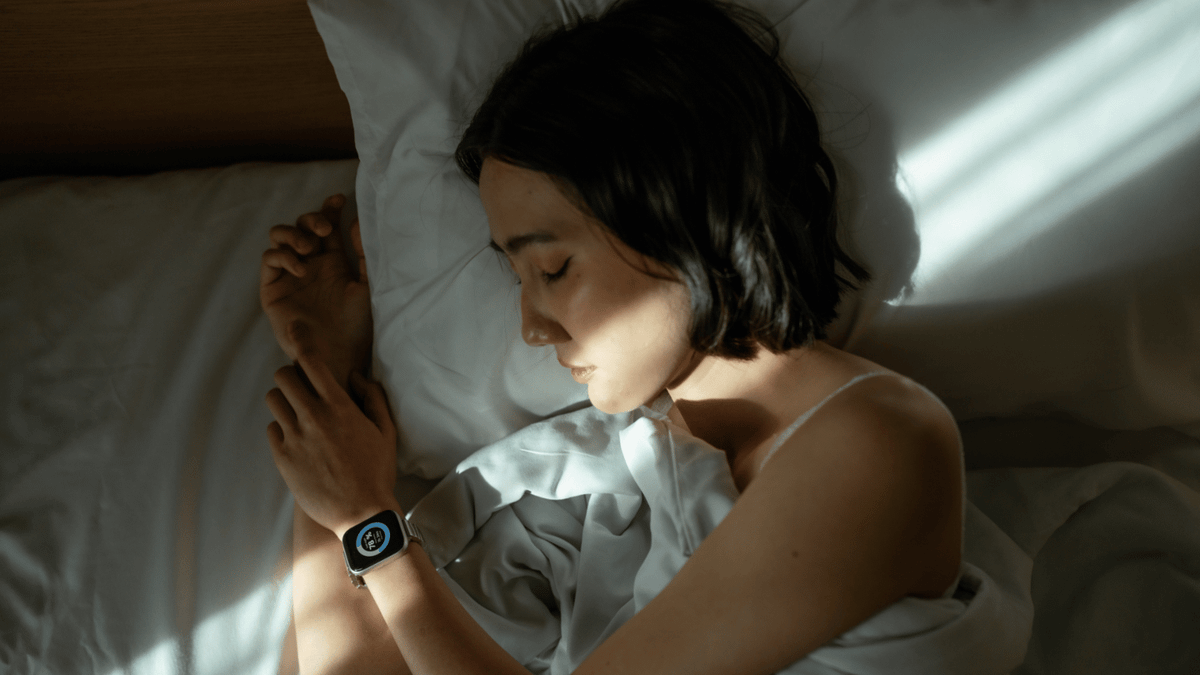
“If I go to sleep now, I’ll get eight hours’ sleep…,” “okay, if I go to sleep now I’ll get five hours’ sleep…”.
It’s the kind of internal bargaining many people recognise after lying awake with cringe memories, scrolling through TikTok storytimes, or simply being unable to switch off. Now, a sleep specialist has outlined what different amounts of sleep can actually do to your mind and body — from getting none at all to reaching the often-cited “ideal” window.
While turning in at 10pm every night might sound like the perfect routine, real life doesn’t always co-operate. Natalie Pennicotte-Collier, resident sleep expert at MattressNextDay, says it can be more helpful to think about sleep patterns across the whole week, rather than obsessing over hitting a perfect number every single night.

Whether it’s a late night out, stress and worry, or even a burst of energy right before bed, there are countless reasons sleep doesn’t happen. Natalie warns that after an entire night without rest, “your brain is operating in a much more impaired state”.
And even without drinking alcohol, sleep deprivation can put you in a similar functional state to being intoxicated.
“Reaction times slow in a way that can be comparable to being over the legal drink-drive limit, which is why regular skills like driving or even basic coordination can become risky,” Natalie explained.
“Very quickly, you’ll find that your focus slips, judgement becomes less reliable, and you’re more prone to mistakes you wouldn’t normally make. At the same time, the body hasn’t had any opportunity to carry out overnight repair, so you’re starting the day already on the back foot physically and mentally.”
If you’ve ever felt strangely wired despite being exhausted, Natalie says that can happen because “your stress system stepping in to keep you alert”.
“It can mask how ‘sleep-drunk’ you actually are, which is where the danger lies,” she said. “Sadly, we see this reflected in road traffic accident data.”

If you finally nod off around 2am only to wake again at 4am, you may not have had enough time to reach the deeper sleep stages that play a major role in recovery and restoration.
When it comes to just one to three hours of sleep, Natalie says most people “can usually get through the day, but not comfortably”.
“Concentration is inconsistent, emotions feel closer to the surface, and patience wears thin much faster than usual. It’s common to feel overly reactive or overwhelmed by things that wouldn’t normally bother you,” she said.
“Physiologically, the body is still under strain. Stress hormones remain elevated, energy regulation is uneven, and your immune response is reduced. You might feel ‘awake’, but your system isn’t properly supported.”

Once sleep stretches a bit longer, it’s easy to assume you’re basically fine — but the effects can still be there beneath the surface.
“At three to five hours, this is where a lot of people start to believe they’re functioning normally, but brain and cognitive performance are still reduced,” the expert explained. “The difference here is more subtle but persistent.”
Natalie says this can show up as slower thinking, more forgetfulness, and difficulty staying focused for long periods.
“Tasks that require sustained attention or problem-solving become noticeably harder over the course of the day,” Natalie said.
“This is also where behavioral patterns start to shift, as naturally, health goal habits are very hard to stick to when you aren’t getting enough sleep. For example, you may find yourself craving high-sugar or high-carb foods more often, or not getting enough exercise.”

At around six to eight hours, you’re getting into the range that allows your body and brain the time they need to properly recover — especially if it’s consistent. Natalie says this gives space for essential restoration processes to take place.
“That includes the brain’s ‘waste clean-up’ process, alongside the repair and immune support your body relies on,” Natalie said.
“In my sleep clinic, I always recommend looking at sleep across the week rather than just chasing hours each night. For adults, this still means aiming for around 7.5 hours, or what I describe as five sleep cycles per night.
“This is where the body shifts out of fight-or-flight and into rest-and-digest, where real repair happens. You also get enough REM sleep, which supports memory and emotional balance, while things like stress, appetite and energy are better regulated.
“What I see in practice is that people don’t just feel more awake, they feel more focused and emotionally steady. Their thinking is clearer, their mood is more stable, and everyday tasks require less effort. You’ll also find that relationships and connections improve when you sleep better. It’s a fast, noticeable shift from just coping to feeling awake, sharp and at your best, rather than just ‘meh-functioning.’”
So if you catch yourself thinking you’ll watch “just one more video” before bed, consider giving your body the time it needs — future you will feel the difference.