

A leading researcher has raised concerns about the risks tied to medical marijuana, saying a growing number of people who use it are ending up with Cannabis Use Disorder.
One 2024 study from Carnegie Mellon University found that around 18 million Americans use marijuana every day. The research also noted that, in 2022, daily cannabis use was more common than daily alcohol use.
Across the US, access has expanded quickly: more than 24 states permit recreational marijuana, and 40 states allow medical cannabis in some form.
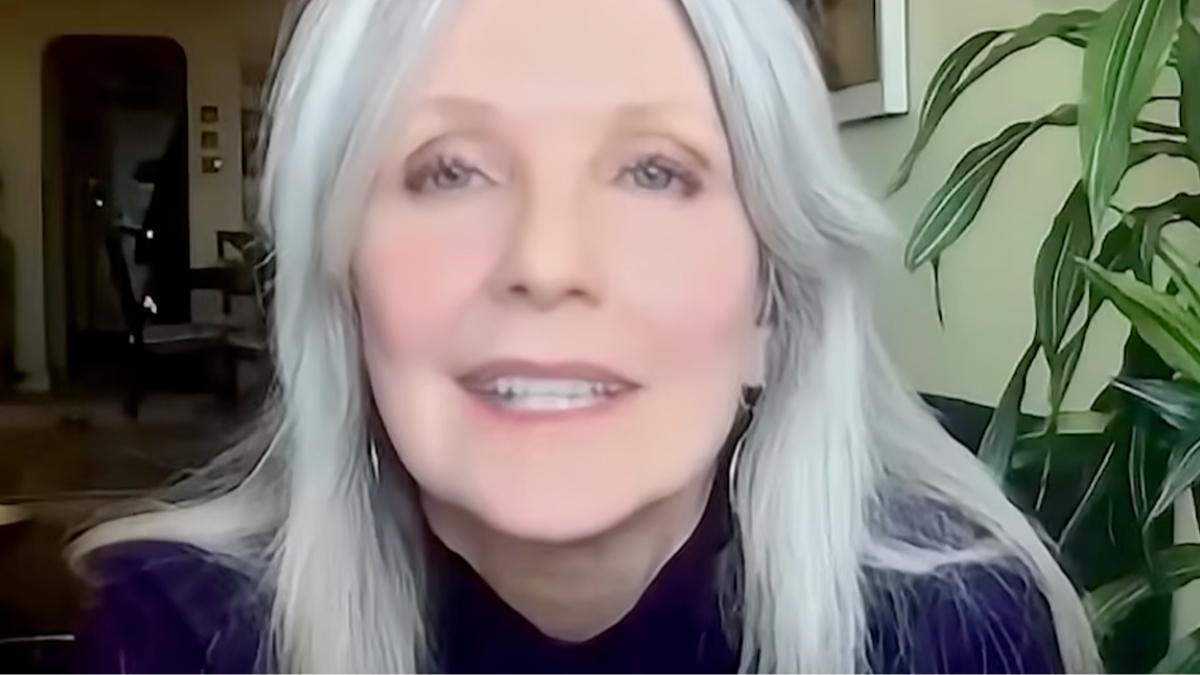
Margaret Haney, a Professor of Neurobiology at Columbia University Medical Center, has outlined why that shift worries some clinicians—particularly when cannabis is used routinely to manage symptoms like pain.
Speaking to Amanpour & Co., Haney explained: “People who start using cannabis for therapeutical reasons are developing a use disorder.
“If you’re using cannabis for pain, you’re going to use as soon as you wake up, as soon as it wears off, repeatedly throughout the day.
“… The defining feature of use disorder, not only is it impeding various aspects of your life, but quitting or reining it in is enormously difficult. That’s what people seeking treatment come in for.”
She also described what she sees as a gap between the public conversation around cannabis and what health professionals are encountering, particularly when it comes to dependency and long-term impacts.
Haney said the issue is especially serious for teenagers, arguing that regular exposure to THC during adolescence can pose bigger risks than starting later in adulthood. She said: “We have this part of our brain where THC binds and it goes under tremendous development in the adolescent years. To be exposing it to high levels of THC on a daily basis is a risk factor.
“There’s consequences for educational achievements, psychiatric outcomes, a range of things. There’s a big difference between smoking every day when you’re 14 to when you’re 34.
“The younger you start the more vulnerable you are to Cannabis Use Disorder but also psychiatric and other outcomes.”
Haney pointed to research involving six million people in Denmark, which suggested heavy cannabis use could be linked to a substantial share of schizophrenia cases in young adult men.
The study concluded that as many as 30 percent of schizophrenia cases in men aged 21 to 30 might not have happened without heavy cannabis use.
“There’s a strong association between cannabis use and psychotic symptoms including psychotic disorders. We know there’s a link,” she said.
Beyond mental health, Haney also noted evidence of an association between cannabis use and cardiovascular risks such as heart attack and stroke. She said: “One of its very reliable effects is to increase heart rate and I think if there’s underlying vulnerability that could be one consequence.”
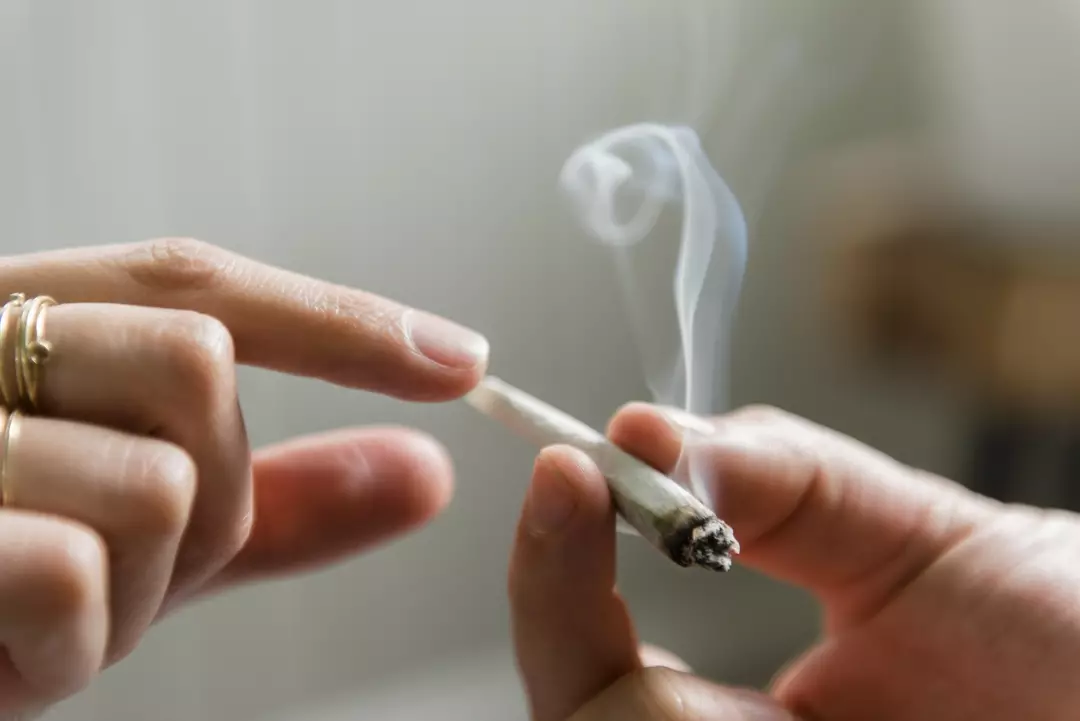
She also cautioned that today’s high-potency cannabis products may intensify potential harms. Haney highlighted concentrates like THC oils and vape pens, which can reach up to 90 percent THC—far higher than typical cannabis flower, which is often closer to 20 percent.