

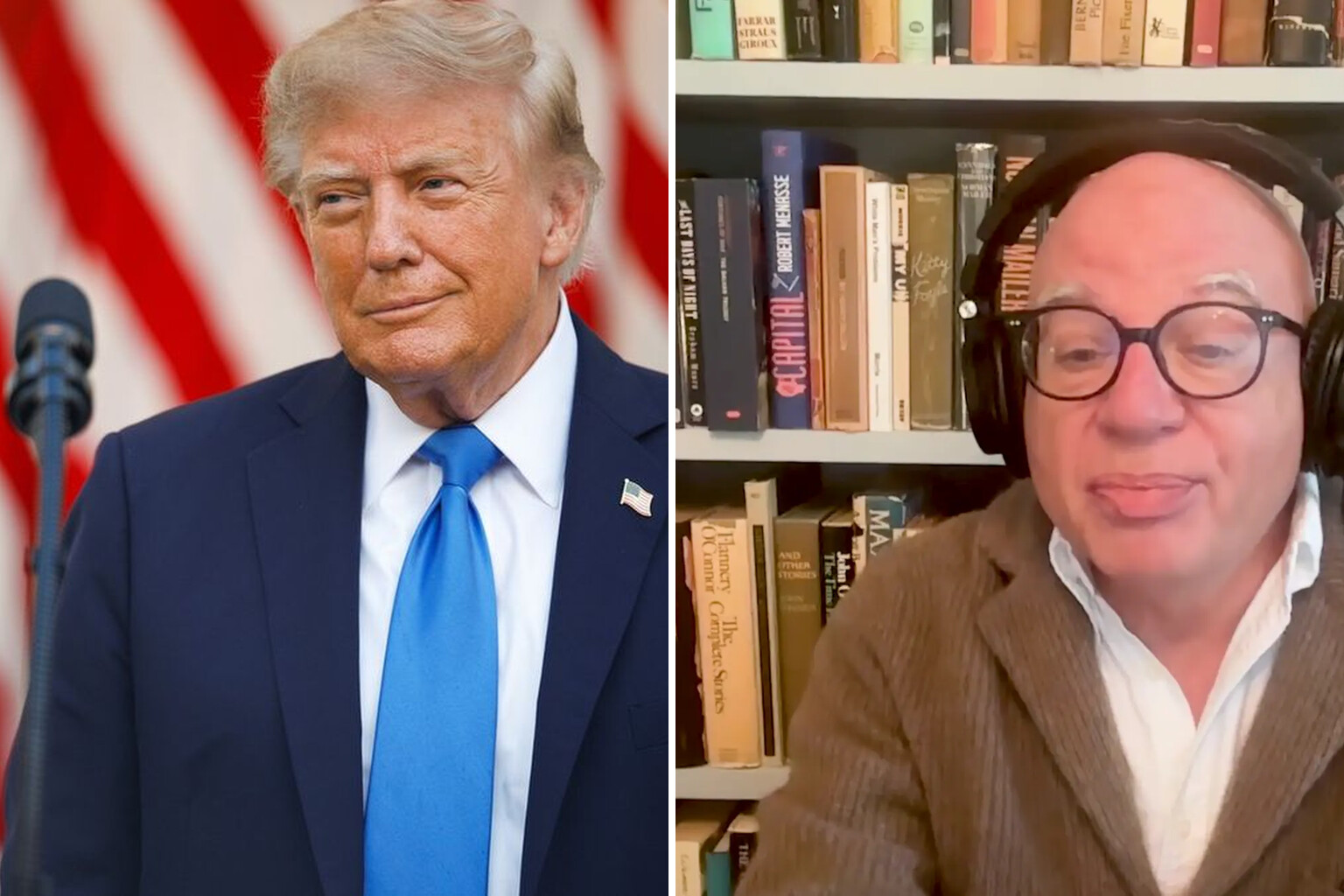
Donald Trump’s flood of AI-generated memes is driven by a deliberate social media strategy, journalist Michael Wolff has claimed.
Wolff, who has covered Trump extensively, said on the Inside Trump’s Head podcast that the approach was “very precisely developed” and proved effective during the 2024 Republican primary. He argued that the tactic helped turn Florida Governor Ron DeSantis into “a subject of mockery” as the two battled for the GOP nomination.
“The unfortunate thing is that actually this works,” Wolff said on the podcast, by the outlet. “Or at least they have found that this works and in terms of social media and the necessity, apparently, of politicians to master social media, this is kind of how it’s done. [It’s] precisely developed.”
Wolff contended that the posts succeed because they “breaks down the self-seriousness of politicians, the earnestness, the dullness of political culture.”
He then made a striking claim about their origin. “This is not done by the White House, this is done by a kind of, squad of, you know, guys in their basement who the Trump team encouraged – sometimes gave financial resources to,” he continued. “They just sit there, their job is to make Trump memes.”
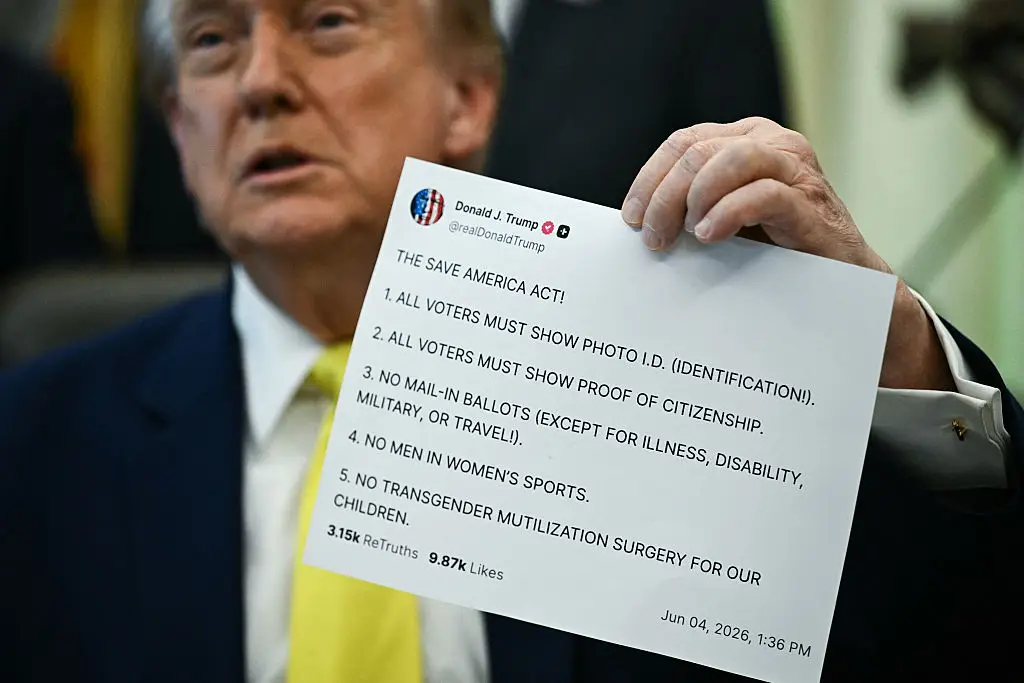
A White House spokesperson pushed back against Wolff’s characterization in a statement. “TRUTH Social is the most powerful and popular social media platform in the world because it serves as President Trump’s authentic voice, where he communicates directly with the American people and the world without the biased media taking him out of context,” the spokesperson said.
Trump’s AI content has drawn repeated attention in recent months. Last month, he posted an AI photograph showing himself alongside predecessors Abraham Lincoln and George Washington as they signed a map of the United States. He has also shared an image depicting himself “winning the Presidential election in 2028,” though he is constitutionally ineligible for a third term.
Most recently, the president circulated an edited video of a man fainting in front of King Charles.
The AI meme controversy was not Trump’s only social media firestorm on Tuesday. Earlier that day, September 9, he defended himself against fact-checkers who challenged his claims about being carried away from Ground Zero by firefighters on September 11, 2001.
“Everything I said was exactly accurate and, to prove the point, I am attaching clips of me there with numerous of my people, including my then Head of Security, Matthew Calamari, who has confirmed that very sad trip to Lower Manhattan, many times, to many different Journalists, but it’s a story that just won’t die,” Trump wrote on Truth Social.
He added: “The Fake News doesn’t want to listen, even when they know their story is false. That’s why their approval ratings are at an All Time LOW, but mine are VERY HIGH!”
Trump posts on Truth Social almost daily, and his output rarely lacks for spectacle. The platform, which he launched after being banned from mainstream social networks following January 6, has become the primary channel for his unfiltered commentary to supporters.
Wolff’s assessment frames the meme operation as something closer to a decentralized digital campaign than official government communications. His description of “guys in their basement” paid to generate pro-Trump content suggests a parallel structure operating outside conventional political staff.
The White House’s insistence that the account represents Trump’s “authentic voice” stands in tension with Wolff’s claim that outside creators produce the material. Neither Trump nor his team has publicly addressed whether they collaborate with meme makers.