


A forensic expert has outlined how cutting-edge DNA techniques could finally generate new leads in the decades-old murder of JonBenét Ramsey.
Cassie Leigh, a certified forensic technician and crime analyst, said that SNP testing and investigative genetic genealogy offer pathways beyond traditional law enforcement databases. “With newer DNA technology, investigators may now be able to develop useful genetic profiles from samples that previously would have been difficult to analyze,” she said.
Leigh explained that the technology operates at a granular level. “SNP testing works a bit differently; instead of looking at repeating patterns, scientists examine individual DNA letters (A, T, C, and G) at hundreds of thousands of specific locations throughout the DNA. Think of it as looking at tiny spelling differences in an incredibly long instruction manual.” She noted this approach can sometimes yield useful genetic information from smaller or more degraded samples than conventional methods require.
The expert also pointed to forensic genetic genealogy as a complementary tool. “Forensic genetic genealogy works by using DNA recovered from a crime scene to search for potential genetic relatives of an unidentified individual,” she said. “The Golden State Killer case is probably the most famous example of forensic genetic genealogy helping solve a decades-old criminal investigation.” In Ramsey’s case, Leigh suggested this could potentially open entirely new investigative leads, provided the available evidence proves suitable for such testing.

Yet Leigh was blunt about the barriers that remain. “It isn’t a magic fix for every sample, esppecially when DNA from multiple people is mixed together,” she cautioned. She also warned that certain testing methods consume portions of already limited material. “Some of these samples are incredibly small, and certain testing methods can consume some or even all of the available DNA,” Leigh said. Investigators, she stressed, “may only have one opportunity to get a usable result.”
Resource constraints compound these technical challenges. “Many people don’t know that most crime labs are backed up and only accept a certain amount of evidence per case, which can significantly delay investigations,” Leigh added.
Even when technology produces matches, interpretation demands care. “Familial DNA matches don’t automatically identify someone as a suspect, much less prove they committed a crime,” Leigh said. Detectives must still establish where potential suspects lived and whether they had access to the scene.
Leigh reserved her sharpest criticism for the original 1996 investigation. “everyone who followed this case from the beginning knows what an absolute trainwreck the original crime scene investigation was. The scene wasn’t properly secured, and multiple people had access to the home both before and after the crime occurred,” she said. “Unsecured scenes create significant challenges when interpreting trace evidence (like DNA) becaue of the high probability of contamination, secondary transfer, and DNA left behind by people who had legitimate reasons to be in the home.”
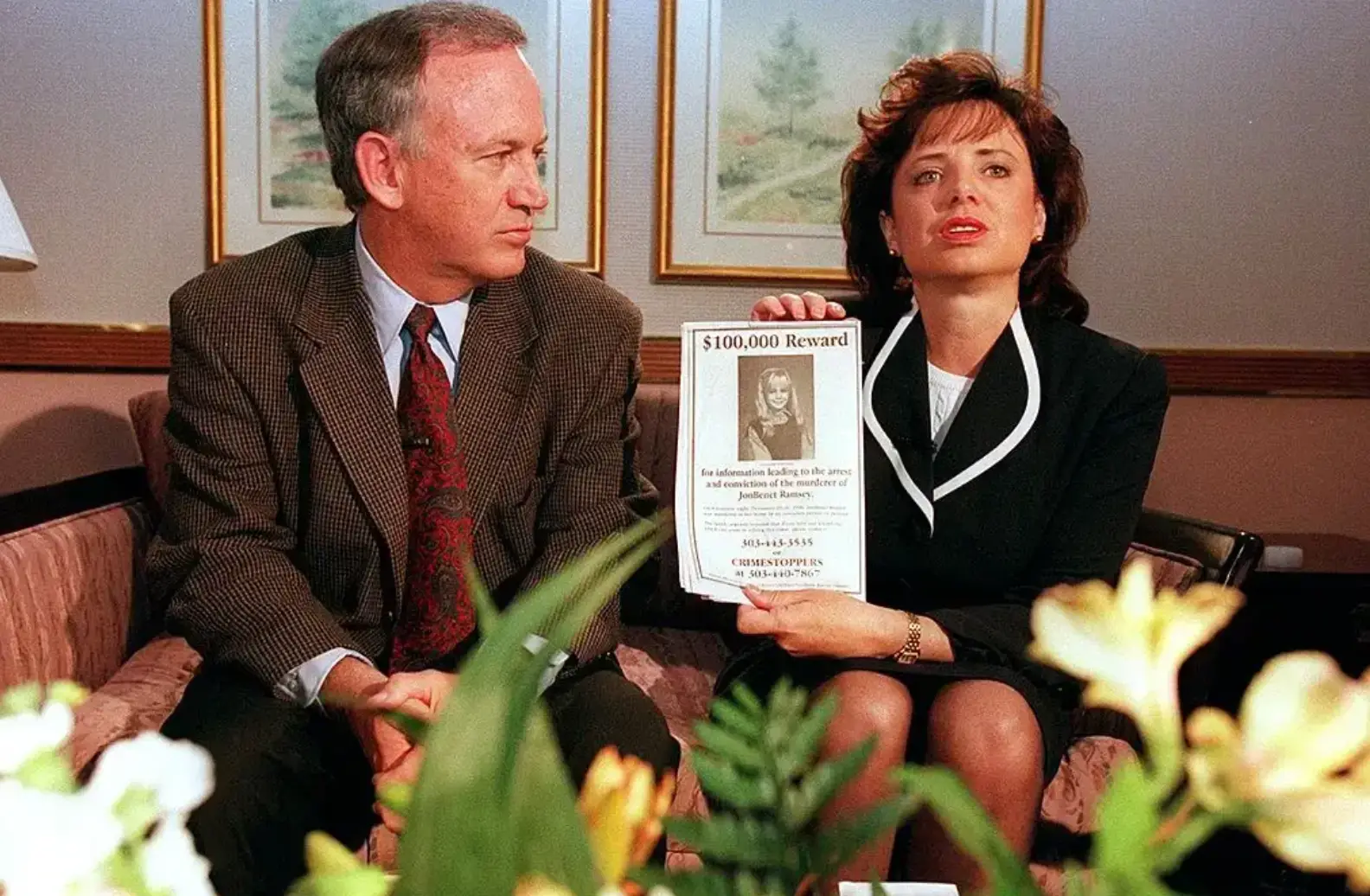
The broader context underscores why any technological advance carries weight. Six-year-old JonBenét Ramsey, a child beauty pageant contestant, was found dead in the basement of her family’s Boulder, Colorado home on December 26, 1996. Her parents, John and Patsy Ramsey, had reported her missing earlier that morning, with Patsy discovering a lengthy ransom note; John later found his daughter’s body. The case drew intense national and international media coverage, spawned numerous theories implicating family members and intruders alike, and has remained officially unsolved despite multiple grand jury proceedings, DNA testing rounds, and false confession investigations. No one has ever been charged in her killing.
The renewed attention follows mounting pressure from Ramsey’s surviving family members and a forthcoming documentary examining the cold case.