

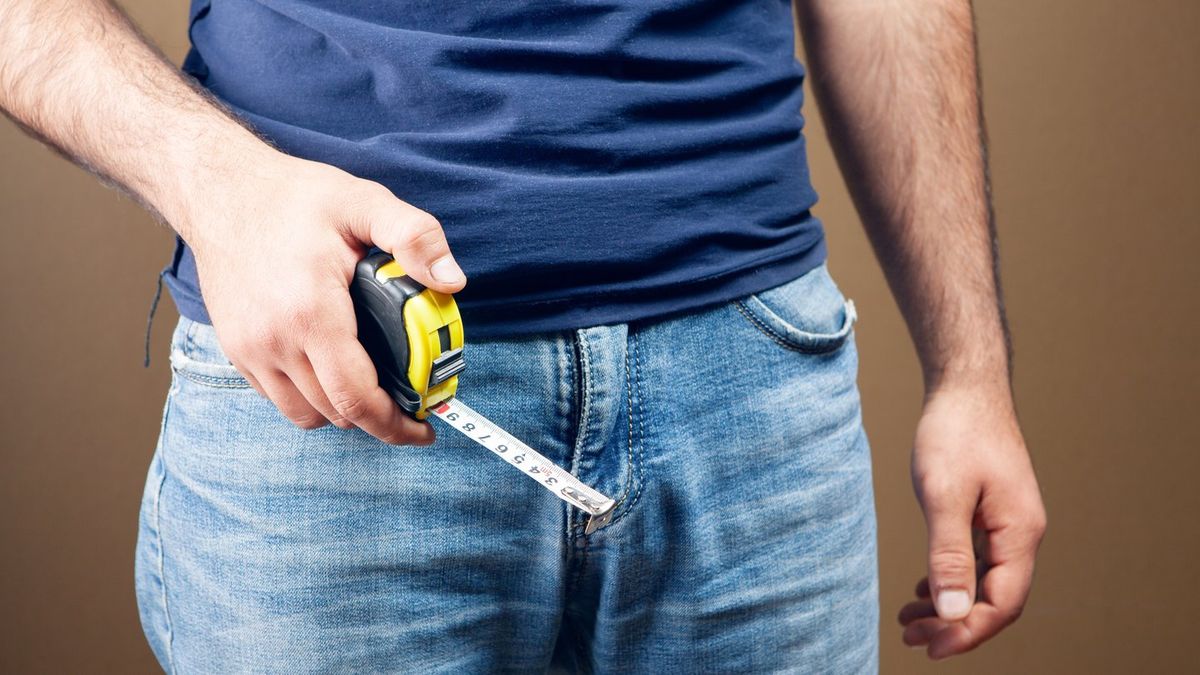
An expert has outlined when it’s worth speaking to your doctor about erectile dysfunction (ED), as well as everyday steps that may help you achieve firmer erections more consistently.
Erectile dysfunction doesn’t automatically mean there’s a serious medical issue behind it, but if you’re concerned about changes “down there,” getting checked can offer reassurance and, if needed, early support.
ED is also far from rare. Estimates suggest around 30 million men in the US experience it, showing how widely it affects people.
Men’s health specialist Ian Budd recently spoke to Metro about situations where it may be sensible to book an appointment, particularly because erection problems can sometimes be an early hint of broader circulation concerns.
Budd said: “As erections rely on healthy blood vessels and good blood flow, difficulties in this area can sometimes appear before other symptoms of cardiovascular disease. The arteries that supply the penis are smaller than those serving the heart or brain, meaning early vascular changes can show up as erection issues.”

The pharmacist added that ED can be associated with several underlying health issues, including coronary artery disease (CAD), peripheral arterial disease (PAD), and blood-vessel damage linked to high blood pressure.
Beyond physical causes, Budd noted that mental health can play a major role too. Depression, anxiety, high stress levels, and persistent low mood can all make it harder to get or keep an erection.
He also pointed to lifestyle factors such as heavy drinking and smoking as common contributors.
“From a pharmacy perspective, we encourage people to view erectile dysfunction as part of a bigger health picture, rather than an isolated issue,” Ian added.
“It doesn’t always signal cardiovascular disease, but when symptoms are persistent, it can be a valuable opportunity to check in on your vascular health.”

Even after seeing a doctor, some people may be told they don’t meet the criteria for ED while still finding that performance in the bedroom isn’t where they want it to be.
In those cases, certain lifestyle adjustments may help support sexual function and confidence.
Dr Jeff Foster told Metro that being more active can make a difference, particularly because strength and tone matter for the muscles involved in erections.
Dr Jeff Foster told Metro that incorporating more exercise is key as he explained: “Muscles, especially those important in maintaining an erection, sometimes lose tone and strength. Exercise such as pelvic floor exercises may help to prevent erectile dysfunction.”
Diet can also be part of the picture. Foster highlighted protein-rich foods—including meat, poultry, and fish—because they’re thought to support circulation.
Your diet is another key part, Dr Foster went on to explain, with protein foods such as meat, poultry and fish believed to be key as ‘they provide the amino acid, L-arginine, which widens and relaxes blood vessels improving blood flow to the penis’.