

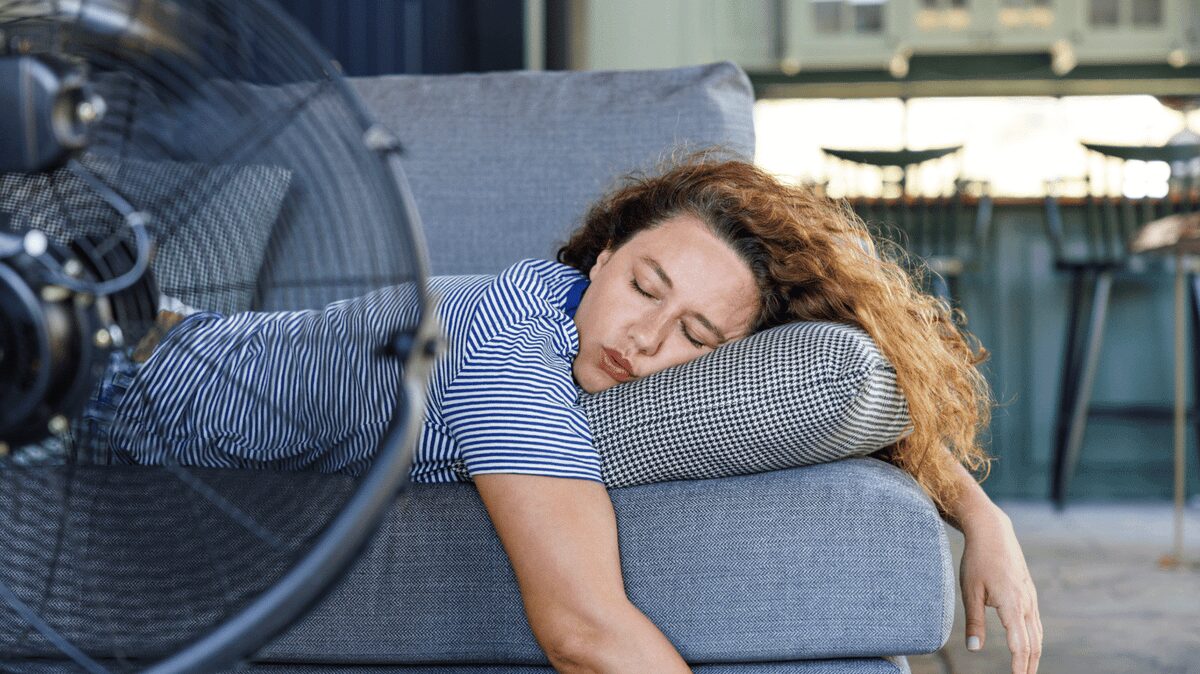
Summer-like heat has arrived ahead of schedule in some areas of the US, prompting many people to switch on their fans to try to sleep better — but that overnight breeze may not be doing you as many favours as you expect.
Across parts of the country, particularly along the east coast, temperatures surged to record levels last week.
Scientific American reported that Boston hit 96°F on Tuesday (May 19), beating the previous May 19 record of 90°F set back in 1949.
Other cities also sweltered, with Washington Dulles International Airport reaching 94°F and Philadelphia climbing to 98°F.
With nights staying hot, it’s understandable that plenty of people relied on fans to take the edge off — especially as high temperatures can disrupt sleep and make it harder to stay comfortable.

But Natalie Pennicotte-Collier, a sleep therapist and the resident sleep expert at British firm MattressNextDay, has warned that leaving a fan running all night may backfire.
As quoted by The Express, she said: “What helps you fall asleep is not always what supports your best quality sleep across the whole night.
“A fan can ease sleep onset, but as the room cools further in the early hours and your core body temperature begins to change before waking, that same fan can start to fragment your sleep, triggering lighter waking as your body tries to regulate itself.”
She added that while a cooler environment can make it easier to drift off, your body actually benefits from a slight temperature increase as morning approaches.
“With a fan running all night the constant airflow continues to cool and dry the air around you,” the expert said, “which can interfere with that natural process.”
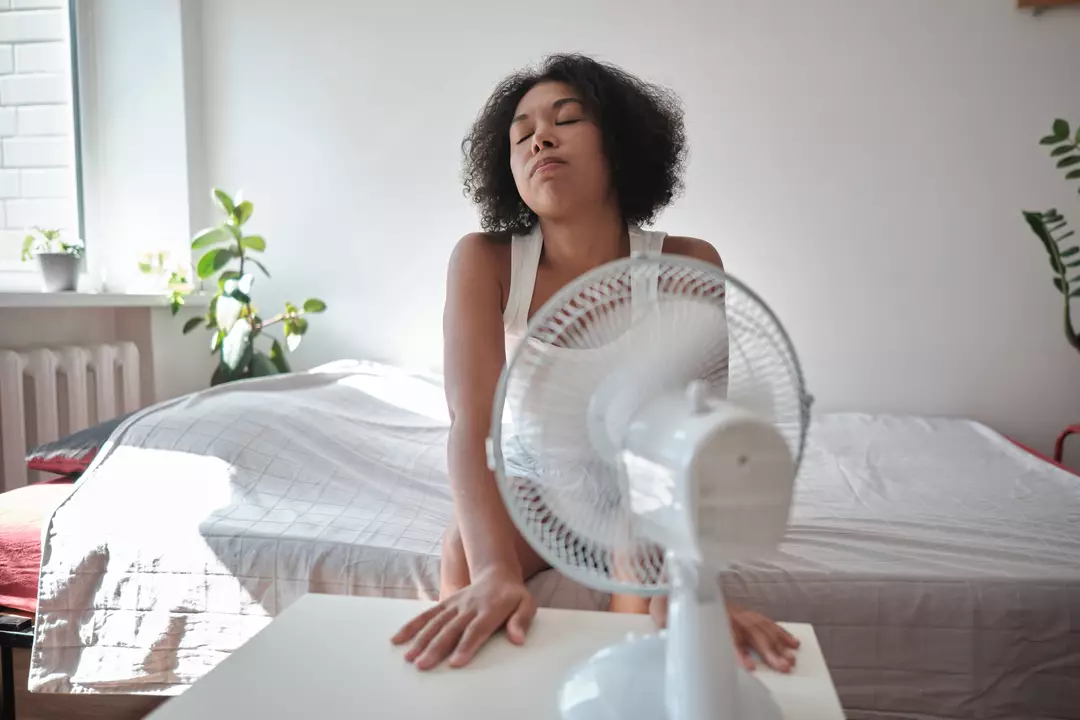
Beyond sleep quality, she suggested the constant airflow can cause physical irritation too, particularly by drying out the airways over time.
Pennicotte-Collier shared: “A fan running all night progressively dries the mucosal membranes lining your nose, throat and upper airways. Your body responds by producing more mucus.”
So, how can you stay cool without the fan potentially working against you?
Her first recommendation is to use a timer, aiming for the fan to switch off roughly an hour after you go to bed.
She also says where you aim the fan matters: you should ‘point the fan towards the ceiling or a wall, not directly at your face or body, to reduce airway drying while still cooling the room’.