

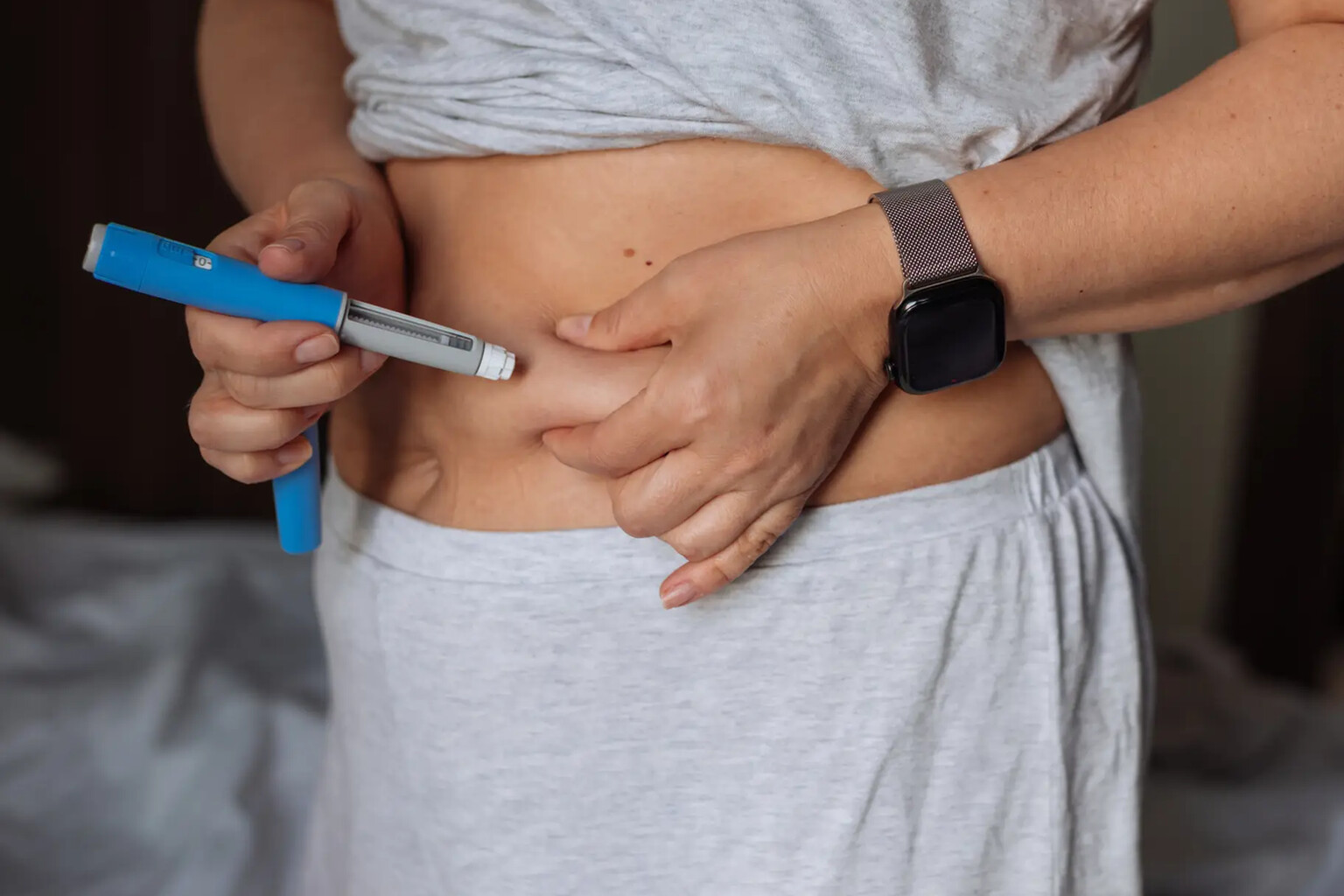
A UK doctor has outlined four warning signs that could help patients spot counterfeit GLP-1 weight loss injections before they use them.
Dr Kyrollos Hanna, a medical doctor at Lyv Pharmacy, issued the guidance as illegally traded medicines continue to flood the market. Roughly 20 million doses were seized in the UK last year alone, while about 11 percent of the US population now takes some form of GLP-1 drug. The soaring demand has created fertile ground for counterfeiters looking to exploit patients seeking weight loss treatments.
“Before starting weight loss medication, it’s important to understand whether you are buying from a legitimate source that works with licensed UK medical professionals,” the expert explained.
The first red flag, according to Dr Hanna, is suspicious packaging and liquid appearance. Each official licensed brand carries a registered trademark on its packaging, and the liquid inside should look clear and colourless. Cloudy, discoloured, or particulate-filled liquid signals a potentially dangerous fake.
“The liquid inside should look clear, matching the description on the patient pamphlet. Cloudy, discoloured, or particle-filled liquid is a major warning sign,” the healthcare professional added.
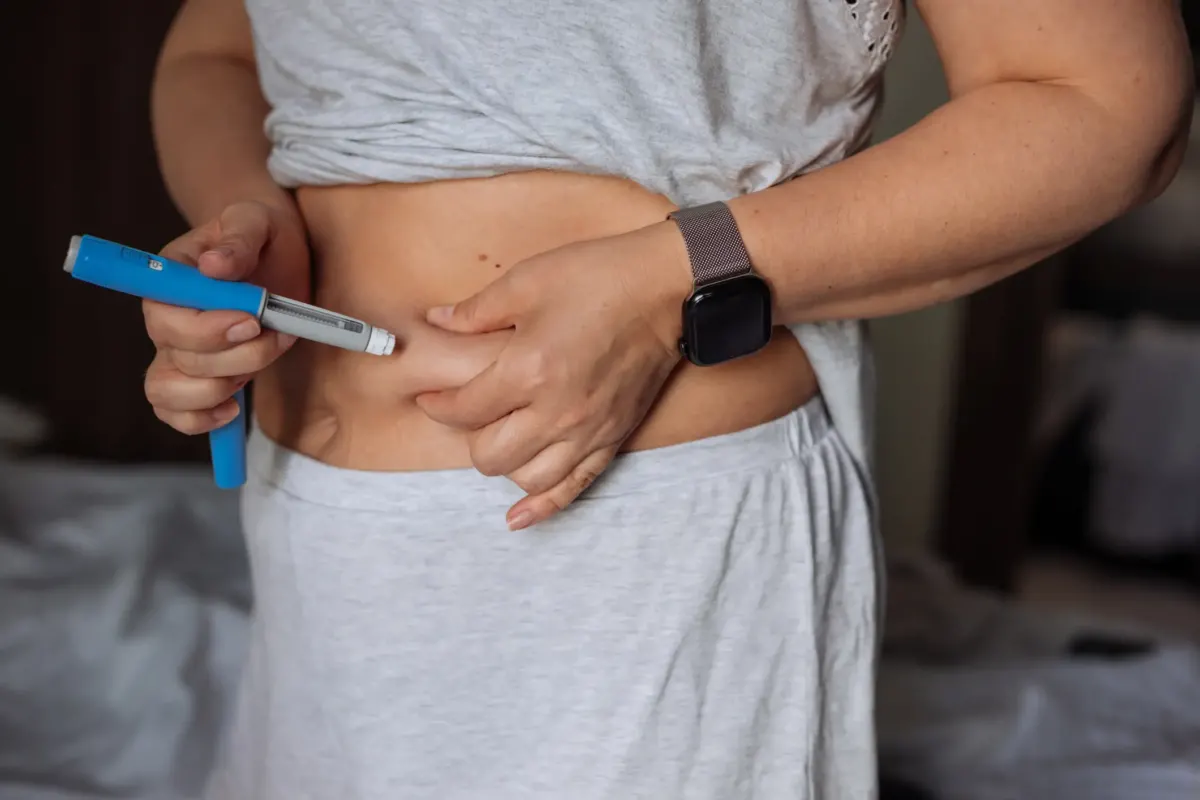
Batch and serial number verification offers another crucial safeguard. A legitimate treatment will clearly display both a batch number and expiry date. More importantly, patients can check whether their medication comes from a reputable manufacturer by verifying the serial number or batch code.
“One of the best ways to check whether weight loss medication is from a reputable manufacturer is to check the serial number or the batch code of the product,” Dr Hanna shared.
He noted that falsified Ozempic pens discovered at EU and UK wholesalers often carry genuine-looking batch numbers alongside 2D barcodes instead of authentic serial numbers. These counterfeits become apparent when scanned, revealing inactive serial numbers.
“Falsified Ozempic pens found at EU and UK wholesalers often carry genuine-looking batch numbers and 2D barcodes instead of authentic serial numbers. Counterfeit GLP-1s become easily apparent when these barcodes are scanned, and the serial numbers are shown as inactive,” he continued.
Dr Hanna urged anyone with doubts to contact their supplying pharmacy and report suspicious products to the MHRA through the Yellow Card Scheme.
Pricing anomalies represent the third major warning sign. The doctor warned that high demand has driven legitimate private prices to substantial levels, making steep discounts a cause for concern rather than celebration.
“Private prices vary by medicine and dose, but they typically run from about £100 to over £300 a month. A price far below that, from an unverified source, is a red flag,” Dr Hanna concluded.
The fourth warning centers on where and how the products are marketed. Prescription medicines cannot legally be promoted on social media, meaning patients will not encounter legitimate GLP-1 advertisements online. Promises of “microdosing” protocols or dramatic rapid results should trigger immediate skepticism, as authentic GLP-1 medications work gradually alongside dietary and lifestyle modifications.
“Be wary of anything promising ‘microdosing’ or dramatic results. These medicines work gradually, alongside changes to how you eat and live. GLP-1s are prescription-only medicines that need proper medical oversight,” Dr Hanna warned.
The proliferation of fake weight loss drugs has accelerated alongside the global surge in GLP-1 popularity, with health authorities on both sides of the Atlantic scrambling to intercept counterfeit shipments before they reach consumers.