

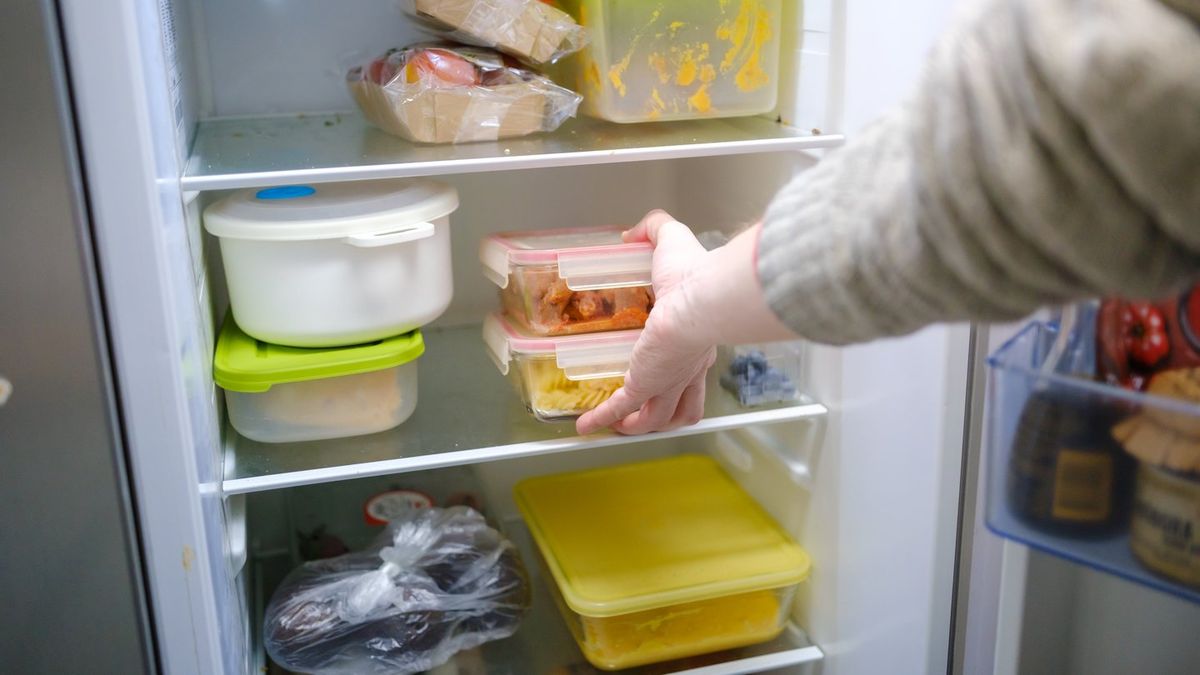
An expert has cautioned that some popular leftovers could be more hazardous than people realise, potentially putting your health at risk.
In an interview with The Conversation, Dr Primrose Freestone, a microbiologist at the University of Leicester, said certain familiar foods can become “high risk” if they aren’t handled and stored correctly, increasing the chance of food poisoning.
“Food poisoning is caused by eating food that has become contaminated with pathogenic bacteria, fungi or viruses,” she said.
“Although most people know that food poisoning can be caused by poorly cooked foods or risky food preparation habits, improperly stored leftovers are also a key cause.
“It’s therefore extremely important you take care when storing leftovers to avoid harming your health.”
Here are four types of leftovers she highlighted as especially important to treat carefully.
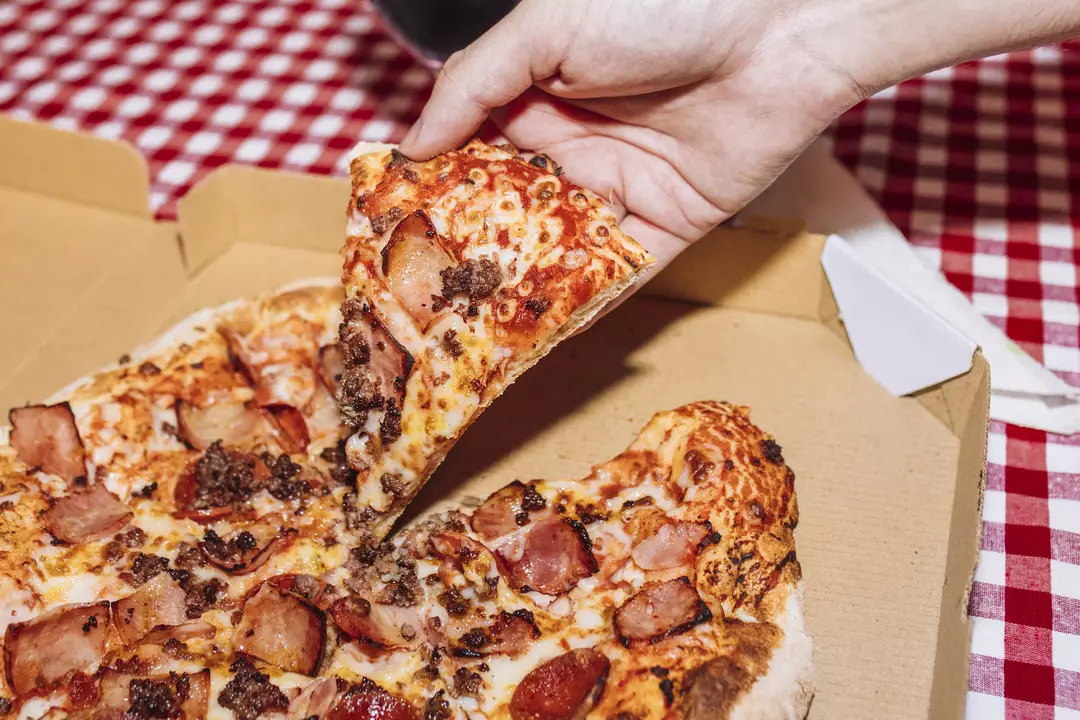
Pizza might seem harmless, but Dr Freestone noted that even the dried herbs and spices commonly added on top can sometimes carry microbes.
“Surprisingly, the dried herbs and spices that people often sprinkle on their pizzas (such as basil, pepper and oregano) can be susceptible to microbial contamination,” Dr Freestone explained.
She said contamination can happen during harvesting, and certain pathogens can persist on dried herbs. Even if the pizza comes out hot, leaving it out too long afterwards can allow germs to thrive on toppings and other ingredients.
“Even if these dried herbs have been sterilised by the heat of a freshly baked pizza, if left at room temperature for too long after cooking, these or any of the other pizza toppings can provide the perfect snack for potentially harmful germs,” she said.
Her advice: get pizza into the fridge within two hours of delivery, cover it once stored, and finish it within two days.
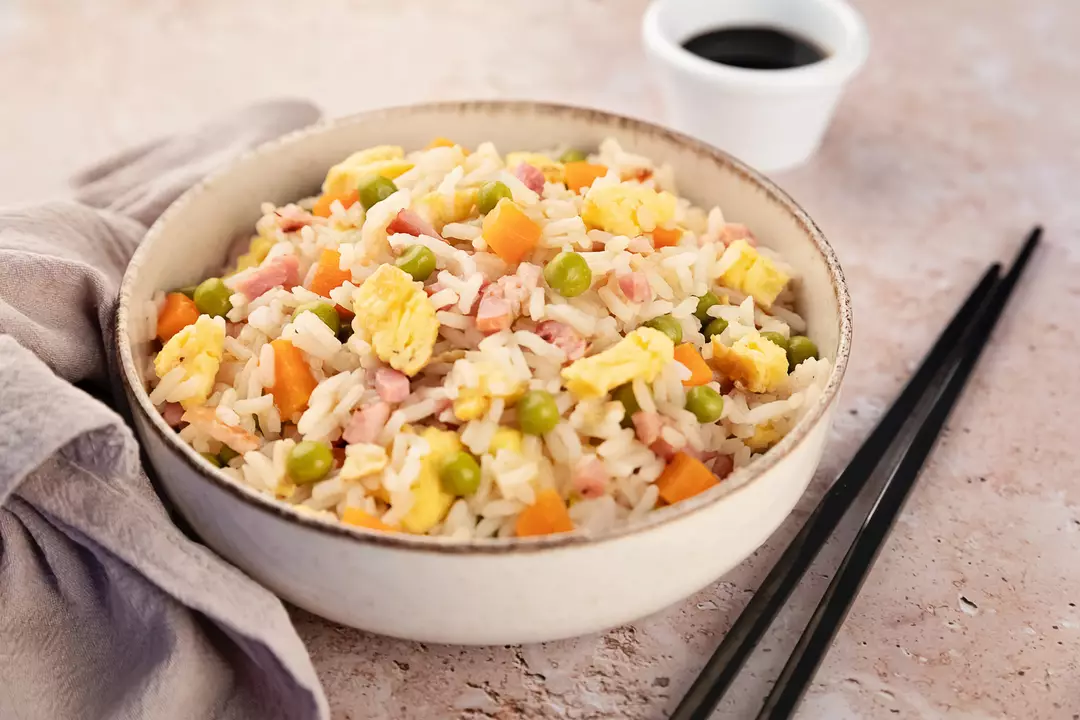
Leftover rice and other cooked grains are another common problem area. Dr Freestone said foods like fried rice, risotto, and even burritos containing grains can be linked to Bacillus cereus—a bacterium that does well in starchy foods.
“Although Bacillus cells are killed by the heat of cooking, their spores are heat-resistant and can survive.”
Because those spores can remain after cooking, cooling and storage matter. If rice is left out too long, spores can develop and multiply, raising the risk of illness.
“These spores are also able to release toxins into the cooked rice, which can potentially cause severe vomiting and diarrhoea lasting up to 24 hours,” she warned.
Once refrigerated, cooked rice should be eaten within 24 hours to reduce risk.
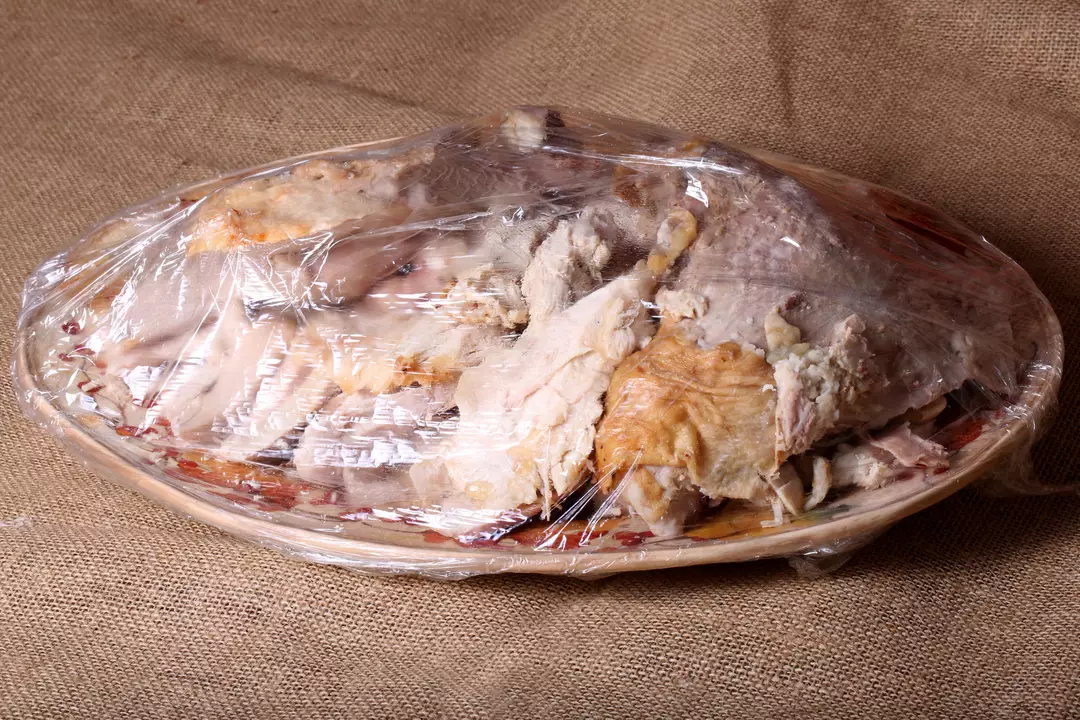
Cooked chicken is also a food that needs prompt refrigeration because it’s highly perishable once it cools.
“To stay safe, once you’ve removed your cooked chicken from the oven or rotisserie packaging, any that you aren’t planning to immediately eat should be covered and refrigerated as soon as possible after cooling,” she recommended.
She added that chicken shouldn’t sit at room temperature for more than a couple of hours, and that refrigerated leftovers should be used within three days.
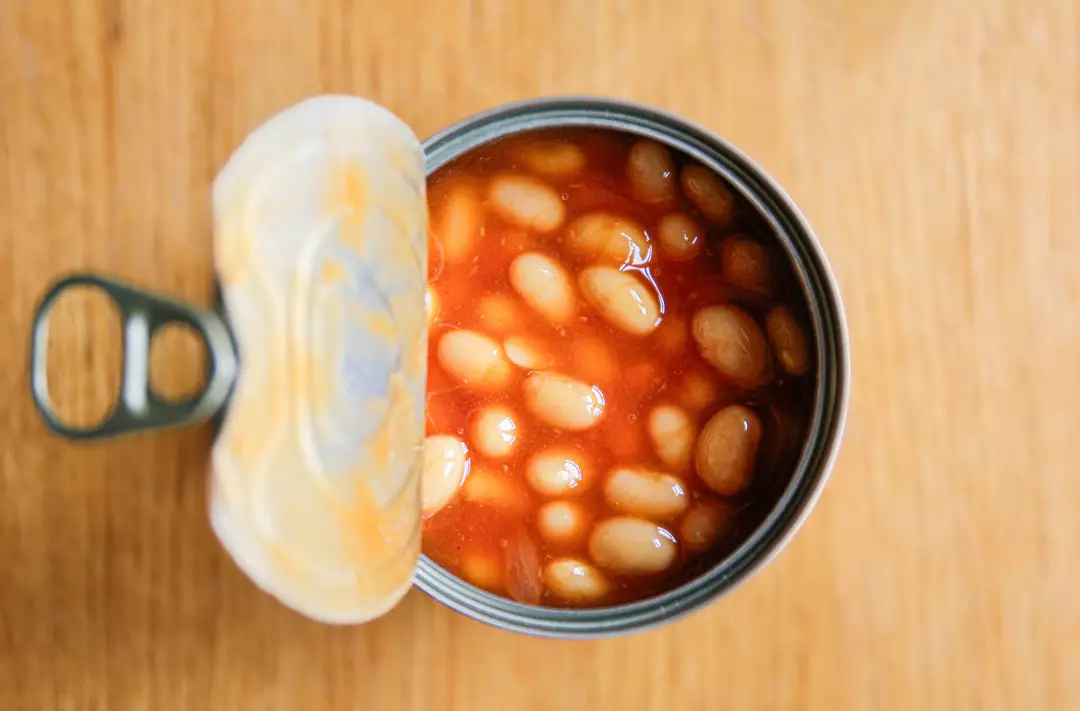
Finally, she urged people not to overlook opened canned foods. While unopened cans are generally safe, once the seal is broken the contents can be exposed to contamination unless stored properly.
After opening, leftovers should be transferred or sealed to limit contact with airborne germs. How long they last depends on what’s inside: tomatoes can typically keep for around five to seven days, while meats, fish, fruit, vegetables, and pasta should be eaten within three days.