

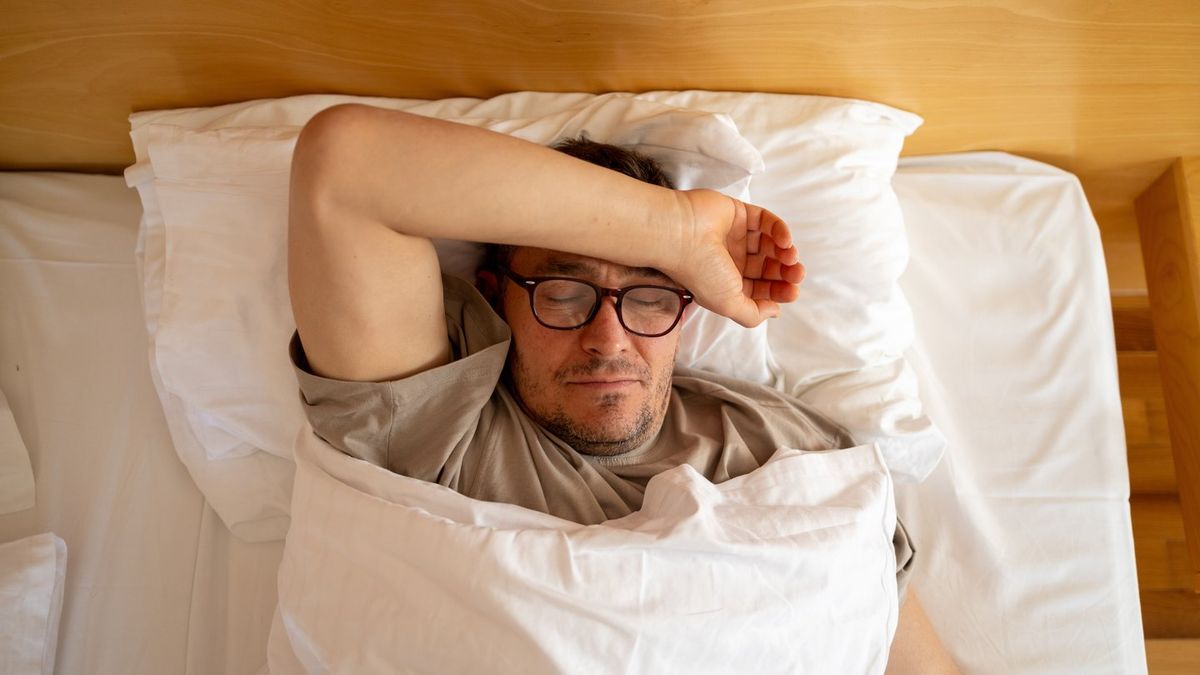
An expert has explained why you can still wake up exhausted even after clocking the often-recommended eight hours of sleep.
Sleep might not get as much attention as trendy wellness routines, but it plays a central role in how we feel and function day to day.
Although sleep needs can shift across different stages of life, eight hours is widely treated as a sensible target for many adults.
Even so, plenty of people hit that benchmark and still start the day feeling sluggish, foggy, and low on energy.
Dr. Wendy Troxel, a licensed clinical psychologist and senior behavioral scientist at RAND, says there’s a key reason this happens, and it comes down to a “really important distinction”.
Based in Utah, Dr. Troxel highlighted that there’s a big difference between how long you sleep and how well you sleep.
Speaking to Fox News Digital, Dr Troxel said: “Many people will say, ‘Man, I’m sleeping enough, I got seven to eight hours of sleep, but I still wake up feeling groggy and not refreshed.’
“About one in three adults has non-restorative sleep quality.”
So why might your sleep feel unrefreshing, even when the hours add up?
Dr Troxel said: “There are many factors that can contribute to poor sleep quality, regardless of how many hours you slept.”
She also pointed to differences between men and women, explaining that women can be impacted more often by low-quality rest.
She noted that there is also a disparity between men and women, saying: “What we absolutely know is that women’s sleep quality often suffers more than men’s.
“They may be getting more non-restorative sleep quality, therefore needing slightly more sleep.”
Everyday habits can also influence how restorative sleep is, including meal timing, portion sizes, caffeine intake, screen use, and alcohol consumption.

Dr Troxel suggested being cautious with evening meals, particularly foods that can trigger indigestion, and avoiding eating right before turning in.
“You don’t want to be starving at bedtime, but you also don’t want to be trying to fall asleep on a full stomach while your body’s still actively digesting,” she said.
Exercise can play a role too.
While it might seem logical that a late workout would help you drop off more easily, Dr Troxel warned that exercising close to bedtime can have the opposite effect.
“Exercise is very stimulating, particularly if it’s in a social environment, and that can disrupt sleep,” she said, adding: “Exercising earlier in the day is better.”
In other words, the number of hours you spend asleep matters, but the quality of that sleep often determines whether you actually feel rested.