

A doctor has shed light on a significant cause of male infertility and the symptoms that may accompany it.
Infertility affects nearly one in seven couples, characterized by the inability to conceive after engaging in regular, unprotected intercourse for a minimum of a year.
In around 40% of these couples, a particular condition has been cited by a medical professional as ‘the most common cause of infertility’.
There are numerous conditions and factors that can influence fertility. Mayo Clinic identifies potential causes as ‘low sperm production, abnormal sperm function or blockages that hinder sperm delivery. Illnesses, injuries, chronic health problems, lifestyle choices, and other factors also play a role’.
As men age, they often encounter changes in fertility, which may result in decreased sperm volume and mobility.

Dr. Bobby Najari, in his article for the New York Post, highlighted that the leading cause of male infertility is a varicocele, which are enlarged veins in the scrotum.
These veins can reduce sperm production and movement, which directly affects fertility.
A varicocele typically appears on the left side and often shows no symptoms. However, potential indicators may include: discomfort; a lump in the scrotum; asymmetrical testicles; and difficulties in conceiving.
It’s critical to seek medical advice if any changes are noticed.
According to Mayo Clinic, for men facing fertility challenges, surgery to correct a varicocele may be part of the treatment strategy.
Additionally, a non-surgical technique known as embolization can be employed to obstruct the troublesome vein.

Testing for male infertility is generally less invasive than procedures related to female infertility.
This process typically starts with a semen analysis to identify any persistent issues. This analysis evaluates sperm count and the overall health of the sperm, including their movement and structure.
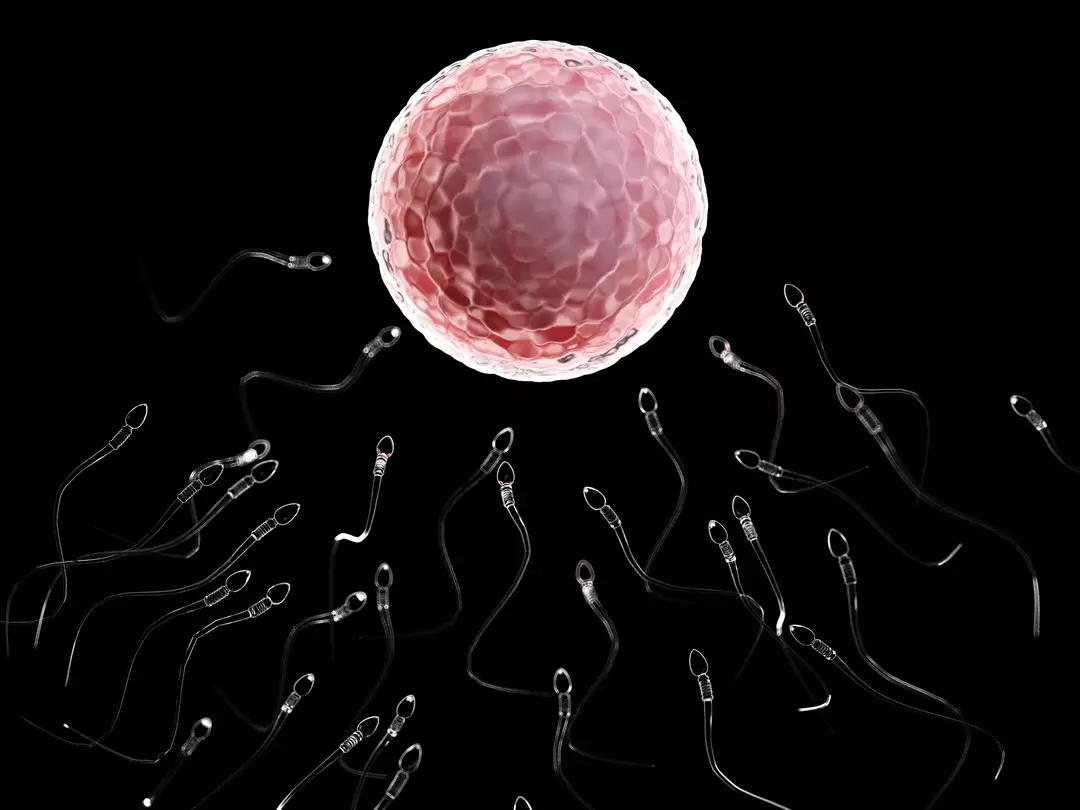
Sperm are usually characterized by a smooth, oval head and a lengthy tail.
Dr. Najari also mentioned that hormone levels, such as testosterone and FSH, can be assessed.
If fertility concerns arise, there are specific signs and symptoms to be aware of. These include:
Dr. Najari noted that a typical sperm count is usually at least 15 million sperm per milliliter, with normal motility being at least 40 percent and normal morphology defined as four percent or more being optimally shaped.