

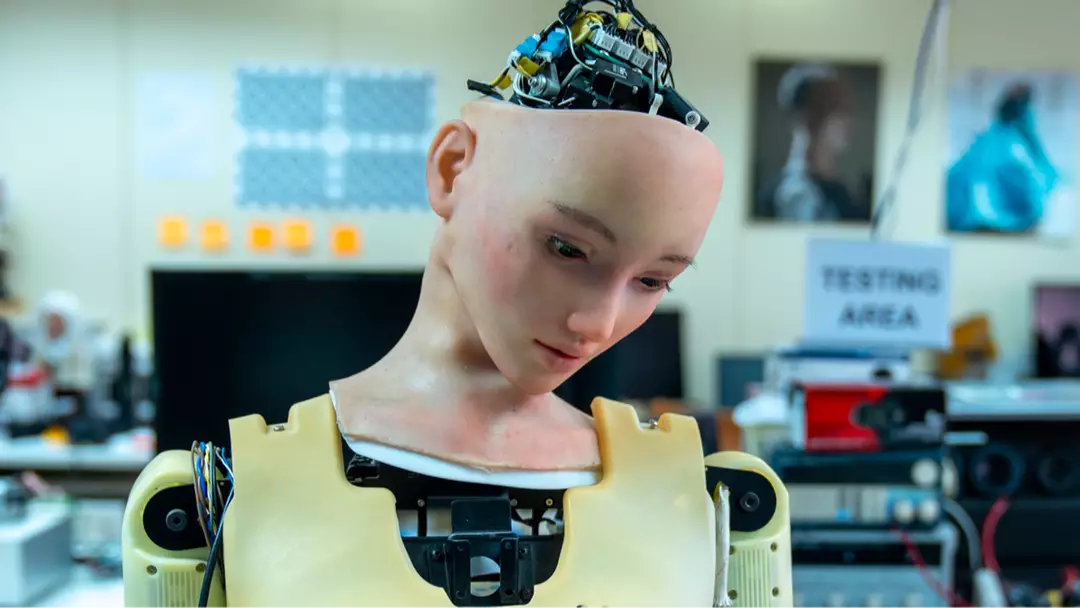
While discussions around artificial intelligence (AI) often focus on the jobs it might render obsolete, there are certain professions that are expected to flourish for years, despite technological advancements.
The rapid rise of AI has been nothing short of remarkable, generating both enthusiasm and apprehension about its future role in our lives.
Figures like Stephen Hawking and Bill Gates have issued cautions about AI, while innovators such as Elon Musk have already integrated it into their ventures.
No matter the stance one takes, it’s clear that AI will remain a fixture in society. So, which careers are poised to thrive as technology evolves?
In an article for This Is Money.co.uk, James Reed, CEO of Reed, highlighted 11 occupations that are unlikely to be replaced by AI and could potentially offer lucrative earnings.
Reed remarked that while AI has the potential to revolutionize healthcare, it is crucial to maintain a “human touch” in all forms of care.
“Care assistants work with individuals who are elderly, disabled or vulnerable, offering empathy, comfort and tailored support that no algorithm will ever be able to replicate,” Reed explained.
Whether it’s alleviating anxiety or providing end-of-life assistance, Reed emphasized that “emotional intelligence and human connection” are essential—roles that AI cannot fulfill.
The teaching profession might seem vulnerable to AI-driven instruction, but Reed points out that technology cannot identify students who are struggling academically.
“Students need encouragement, social engagement and role modelling in ways that no AI can provide,” the chief executive added.

While assessing CVs, conducting interviews, and selecting candidates might seem like tasks suited for AI, Reed argues that human intuition is still crucial.
He elaborated: “Decisions to progress an application will remain in human hands. Effective recruiters do much more than match keywords to job descriptions. Emotional intelligence, ethical judgment and industry insight are core to the role.”
“Machines can streamline tasks, but they cannot replicate the intuition and human empathy needed to make the right match and guide careers.”
Though technical roles are often considered at risk due to AI, Reed envisions a future where cyber security experts collaborate with this technology.
Human involvement remains vital due to the unpredictable nature of hackers.
Reed explained: “Hackers don’t operate in a predictable pattern: they innovate, exploit human behaviour and adapt in real time. The best cyber security specialists think like both investigator and strategist, deciphering complex threats in environments that change daily.”
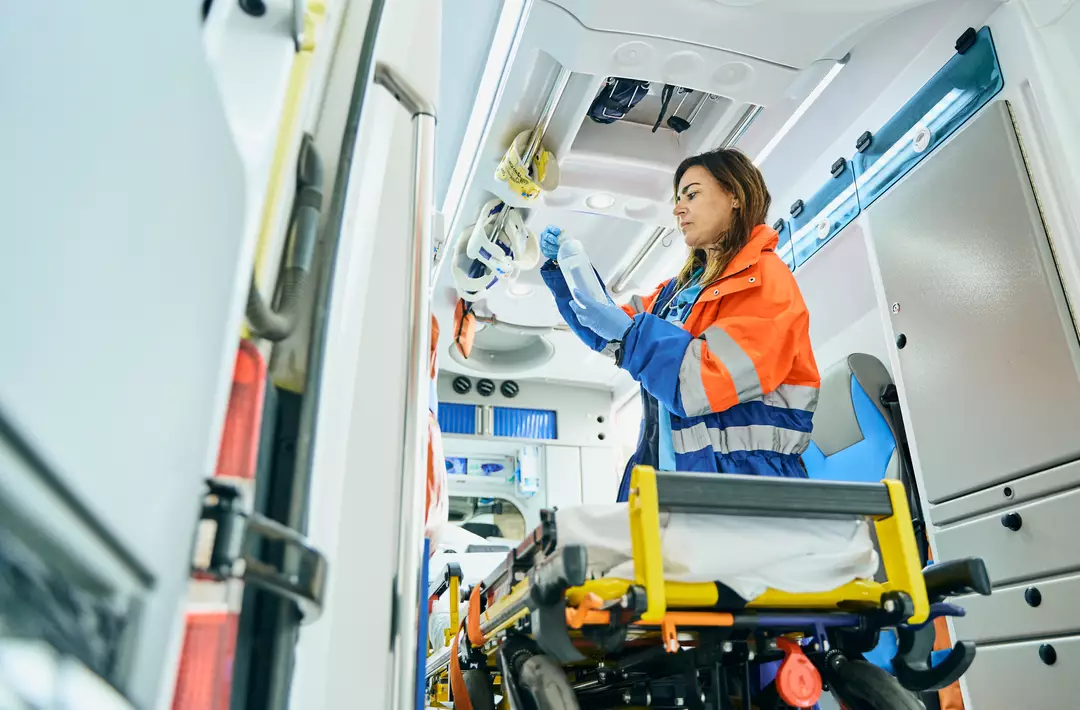
It’s common sense; entrusting AI with life-saving responsibilities is still far from reality.
Reed explained: “AI may end up assisting with diagnostics or emergency response plans but it will never be able to physically respond to emergencies or exercise the judgment and compassion necessary during crises.”
According to Reed, trades like electricians, plumbers, and carpenters can feel secure, as the ‘real-world problem solving’ these jobs require is not suited to AI.
Reed stated: “Skilled trades are not just safe from AI; they’re poised to be increasingly sought after because of the transition toward green energy, sustainability and building retrofits.”
The role of a residential surveyor involves ‘deep professional judgment’, making AI unsuitable for this task alone.
“A surveyor’s report can influence negotiation over a property sale, mortgage approval or compliance with building standards,” Reed explained.
“AI systems, by contrast, cannot carry liability, professional certification or ethical responsibility.”
Though automated property valuations are becoming more common, Reed believes AI will complement rather than replace estate agents.
Given that purchasing a home is a significant life decision, “humans will remain central to the estate agency process,” Reed said.

Although you might have seen robots delivering food in restaurants, and hotels now offering automated check-in systems, the preference for personal interaction remains, as Reed noted.
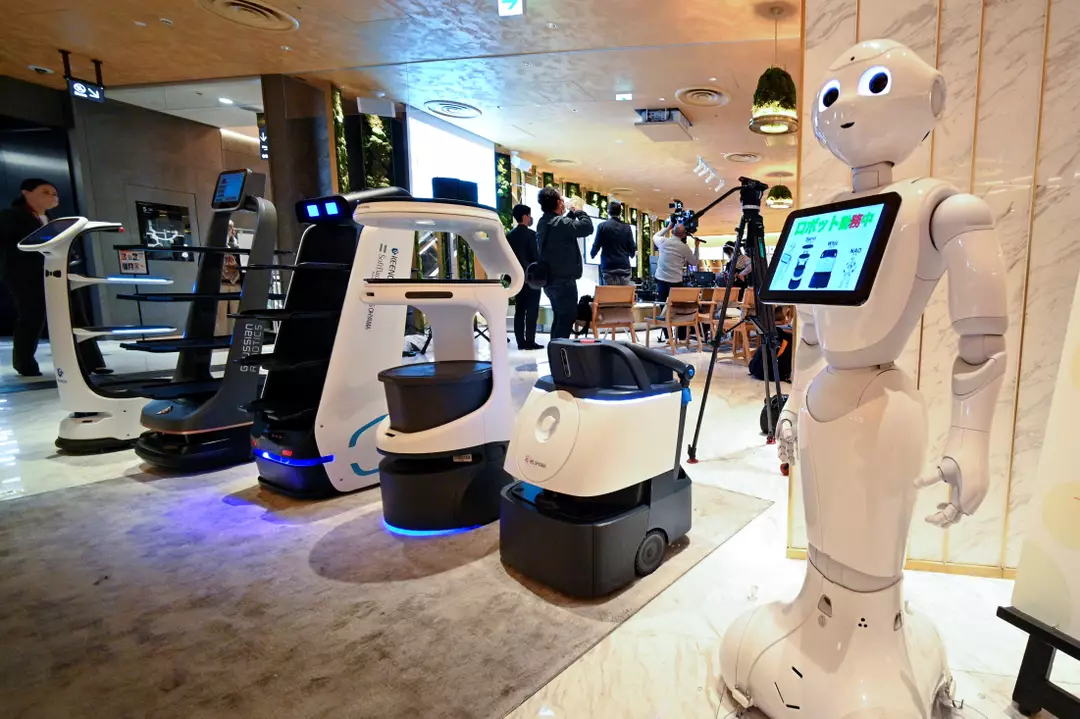
He added: “Particularly at higher levels of service such as luxury hotels or premium restaurants – but also in the local pub – a human touch defines the experience.”
While entrepreneurs can leverage AI to enhance their concepts, Reed argues that technology cannot replace human ingenuity.
“The best entrepreneurs learn from failure and can take an idea that looks bad on paper and find a way to make it work,” he explained. “AI might become a powerful tool in their toolkit, but it won’t replace the human spark that can create entirely new industries.”
Similar to teaching, the importance of human interaction in early childhood care is crucial for development.
Reed said: “Parents and practitioners agree that while machines might assist with some menial tasks, they cannot replace the spontaneity of play or the warmth of human interaction that defines quality childcare.”
Ethical considerations such as safeguarding and privacy are also factors to consider, added the chief executive.
If your career falls within these 11 fields, you can be assured that AI is unlikely to replace you anytime soon.