

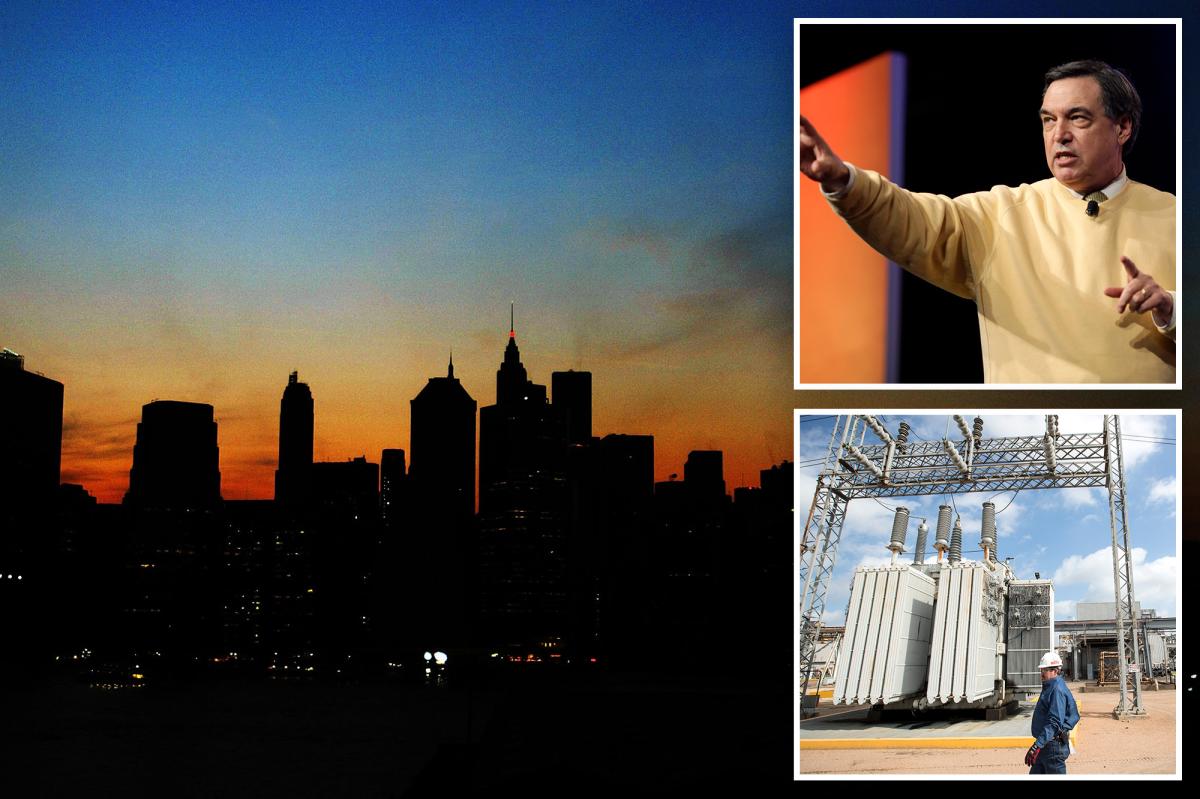
A former top federal energy regulator is warning that the US power grid remains dangerously vulnerable to a coordinated attack that could trigger an 18-month nationwide blackout.
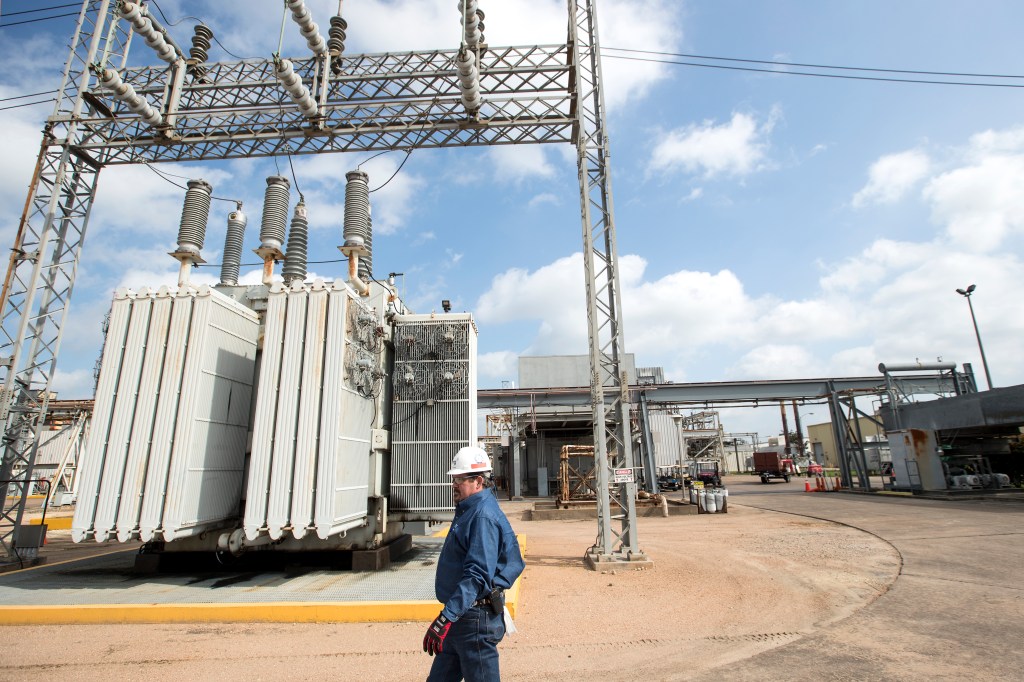
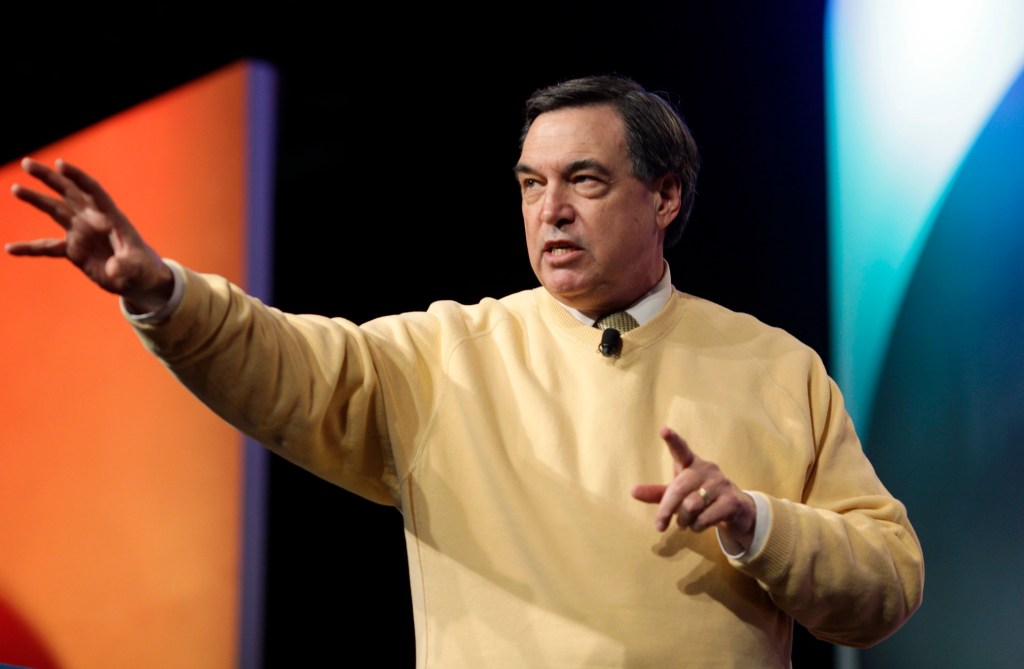
Jon Wellinghoff, 74, who served as chair of the Federal Energy Regulatory Commission from 2009 to 2013, first sounded the alarm more than a decade ago after gunmen attacked a Pacific Gas and Electric substation near San Jose, California. The April 2013 incident at the Metcalf facility saw attackers fire 120 shots and disable 17 transformers, taking the station offline for 27 days. No arrests were ever made in the case.
FERC subsequently conducted a power flow analysis modeling how disruptions at critical substations would impact the nation’s grid, which is divided into three largely separate sections: the Western, Eastern and Texas Interconnections. “We came up with some very astounding numbers,” Wellinghoff said in the analysis.
“If you knock out nine total substations along those three grids, you can black out the entire United States.”
He emphasized that the specific targets mattered less than their strategic importance. It didn’t even matter which nine were hit, as long as each ranked among the 10 most critical in its respective region. With sufficient firepower, the entire grid could be taken out in roughly 20 minutes, he warned.
“It’s probably something that a bunch of 12-year-olds with the internet could do pretty easily. All you have to do is look at a map of the grid and figure out where most of the wires go into the substations — that’s a critical substation,” Wellinghoff said.
The blackout resulting from such an attack, he cautioned, could last 18 months or more.
After learning about the analysis, Wellinghoff briefed the White House, Congress and the Department of Energy about the findings. “I basically wrote a memo about what happened and gave it to everybody I could to explain to them that we needed to do something immediately, linking what we had done in our analysis with what had been physically done at Metcalf,” he said.
Wellinghoff pointed out that if it took a team of grid repair experts 27 days to restore a single substation while the surrounding grid still had power, recovery would take dramatically longer during a nationwide blackout when no backup electricity was available to support repairs.
The vulnerability is compounded by the grid’s advancing age and fragmented management structure. The system operates through a loose confederation of 101 regional balancing authorities nationwide that manage power flow across the three interconnections. One transformer manufacturer estimated that approximately 75% of distribution transformers — the units commonly mounted on street corners and telephone poles — have exceeded their 50-year life expectancy. Large power transformers, which handle tens or hundreds of thousands of volts at major substations, averaged 38 to 40 years old in 2014 and have even shorter design lives than their smaller counterparts.
Replacement timelines have stretched drastically. The average wait time to replace a large transformer at a major substation has jumped from less than a year to 128 weeks since 2021 alone, with some lead times now exceeding five years.
“The transformer shortage is bad,” energy analyst and former municipal resource planner Ajey Pandey told tech media outlet ChinaTalk.
“It’s like hair-on-fire, biting-my-nails, losing-sleep levels of bad.”
The situation is expected to deteriorate further. Tim Holt, who leads grid technologies for Siemens Energy, told the outlet that transformer demand in 2027 is on pace to more than double 2020 levels. “In the next 15 years, we’re going to spend as much on the grid as we have spent in the last 150 years,” Holt said.
The 2013 Metcalf attack demonstrated how easily physical infrastructure could be compromised. Gunmen cut fiber-optic phone lines before opening fire on the substation, methodically targeting cooling systems on the transformers to maximize damage. The attack caused roughly $15 million in damage and prompted utilities nationwide to reassess security at critical facilities, though Wellinghoff’s broader warnings about systemic vulnerability to cascading failure have drawn renewed attention as supply chain bottlenecks and geopolitical tensions intensify concerns about infrastructure resilience.
The Department of Energy and industry groups have continued working on grid modernization, but the scale of replacement needs and manufacturing backlogs mean critical components remain exposed for years to come.