

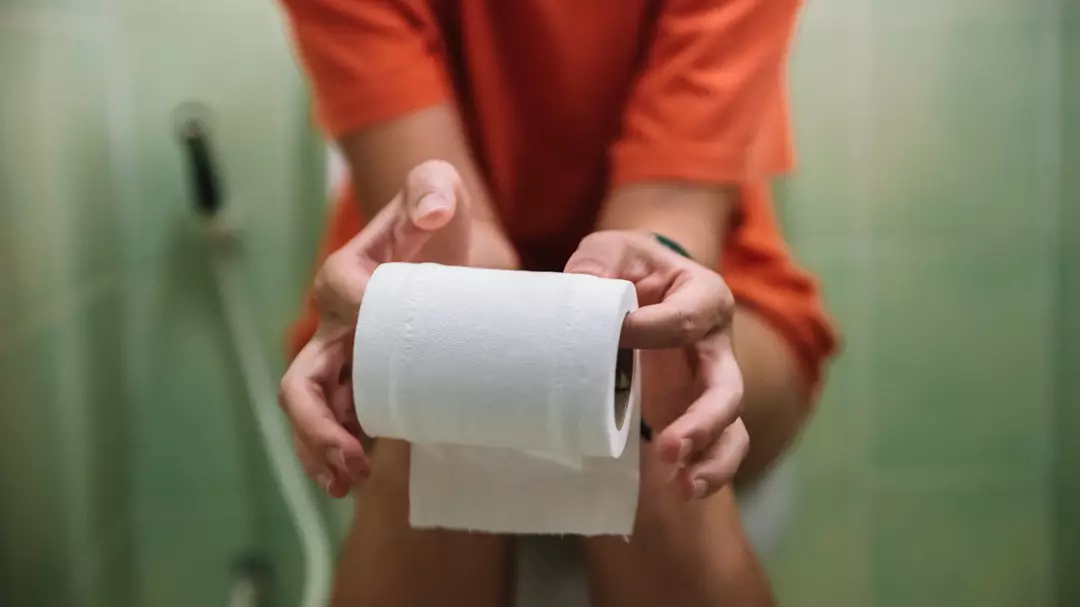
Experts have highlighted a straightforward guideline that everyone should consider when using the bathroom to pee.
Peeing is an everyday activity that often goes unnoticed unless there is a change or discomfort.
Indicators such as blood or cloudiness are obvious red flags, while strong odors, frequency of urination, or insufficient urination can suggest potential issues. Therefore, adopting a simple daily rule can help maintain normal urinary health.
This practice not only aids in monitoring your bladder’s well-being but also complements keeping an eye on the appearance of your urine.
Monitoring urine color is beneficial—for instance, a dark yellow hue may indicate the need for more hydration.
The technique, developed by mechanical engineering students at Georgia Institute of Technology, emphasizes a different aspect of urination.
So, what is the recommendation?

The focus is on determining the optimal duration for urination each time you go.
The students approached this from a mechanical engineering standpoint rather than a medical perspective, and any concerns about abnormalities should be addressed by consulting a healthcare professional.
In 2014, researchers investigated how long it takes different animals to completely empty their bladders.
For smaller creatures, such as rats, mice, and squirrels, their tiny bladders result in urination lasting just a fraction of a second.
However, for animals weighing over 3kg (approximately 6.6lbs), the average urination duration is around 21 seconds, a finding the researchers dubbed the ‘Law of Urination.’
Urine is generated as the kidneys filter out unnecessary substances from the blood, with excess fluid accumulating in the bladder.
Once the bladder is full, the brain sends signals, causing the muscles to relax and the bladder wall to contract, expelling urine through the urethra.

According to their observations, the researchers found that the time spent urinating is influenced by gravity as well as the pressure from the bladder’s contraction, as explained by IFL Science.
They noted, “How can bladders of both 0.5 kg and 100 kg be emptied in nearly the same duration? Larger animals have longer urethras, and so greater gravitational force driving flow.
“These long urethras increase the flow rate of larger animals, enabling them to perform the feat of emptying their substantial bladders over approximately the same duration.”
The study also proposed a ‘golden rule’ for humans regarding the ideal urination duration.
Frequent urination or too little could signal an issue, and holding urine for too long might lead to UTIs, kidney disease, or even bladder ruptures.
If you don’t have a stopwatch handy, you can time your bathroom visit by singing ‘Happy Birthday’ at a steady pace, which should last approximately 21 seconds.
If someone overhears you, simply share your newfound knowledge instead of awkwardly explaining why you’re singing ‘Happy Birthday’ while peeing.