


It’s not uncommon for a romantic evening to end prematurely when things get a bit intense, a scenario that many men have encountered at some point in their lives. For some, it happens more frequently than they’d like.
Improving your performance in the bedroom and extending your lovemaking sessions can be beneficial for both you and your partner. It helps avoid those awkward moments where you’re left explaining why the encounter ended sooner than expected.
To see if your timing aligns with what’s typical for your age group, you can check out studies on the subject here.
There are various techniques to try to prevent premature endings, but it’s crucial to remember that this happens to almost everyone. Urologist Dr. Thomas Walsh mentioned to Men’s Health, “Premature ejaculation is a problem that affects almost every man at some point in his life,” so it’s important not to stress over it too much.
This common male issue doesn’t have to be persistent. There are at least 13 exercises and strategies you can employ to keep going. Remember, it’s not just about your own satisfaction.
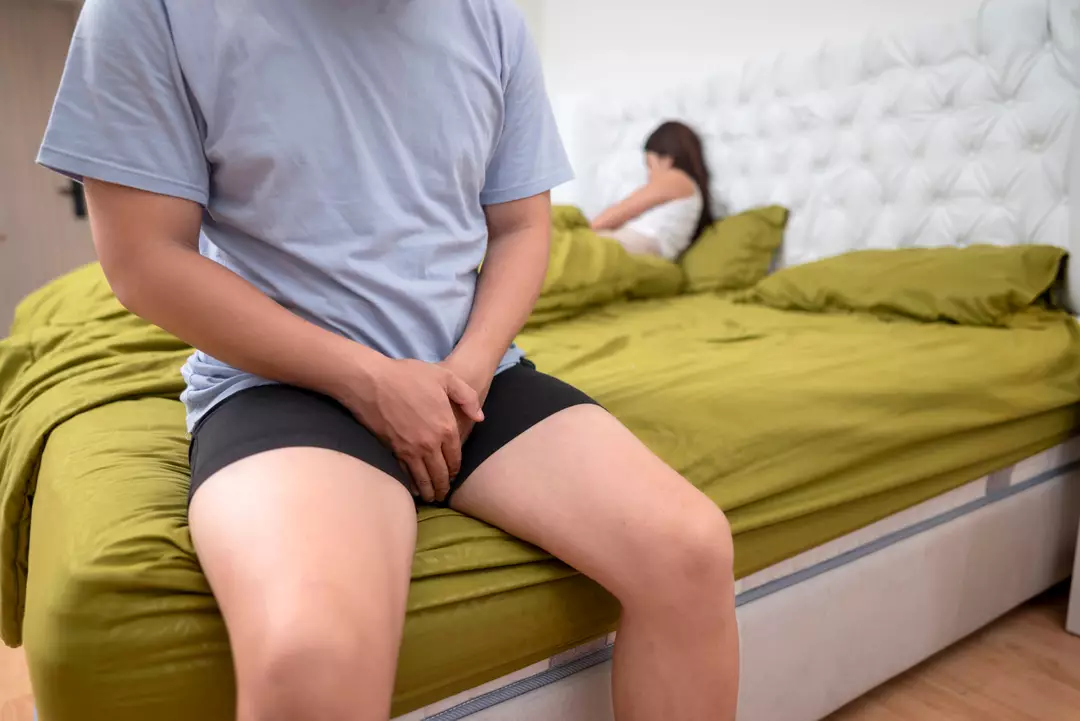
Experiencing premature ejaculation doesn’t have to spell the end of a sexual encounter. In fact, it might be a sign to slow things down a bit. Focusing on your partner can help turn an awkward moment into a positive one.
A medical diagnosis of premature ejaculation generally means consistently lasting less than a minute. However, a 2005 study published in the Journal of Sexual Medicine found that most couples last around five and a half minutes, so if you’re near that timeframe, exploring new techniques might be beneficial.
If you’re looking to prevent a premature conclusion entirely, there are over a dozen approaches you can try. According to Men’s Health, the top priority is strengthening your pelvic floor.
Regularly exercising your pelvic floor can enhance your control, and it’s quite simple to do. Kegels, which involve quickly tightening and releasing these muscles, can be performed almost anywhere.
This exercise targets the same muscles used when you control urination. Practice by holding and then releasing these muscles for 10 seconds at a time, ideally not while urinating.

Research has demonstrated that this exercise can significantly assist those dealing with erectile dysfunction, with improvements seen in 80% of cases.
But that’s not the only piece of advice available.
Another tip is to avoid constant thrusting. While it may seem enjoyable to go from 0 to 60, it could be contributing to your difficulties. Slowing down and focusing on your partner’s pleasure can help you manage your excitement.
Alternatively, explore other activities. There are numerous enjoyable things couples can do that don’t require full penetration, which research indicates only leads to orgasm for about 20% of women.
If things are becoming too intense, consider altering the pace. Instead of sticking to one approach, experiment with different positions or activities that allow you to take a moment to relax.
Choosing positions where you can sustain longer sessions can also be beneficial. While you may have favorites, if they’re over quickly, it might be time to reconsider. Having your partner sit on top with minimal movement can be enjoyable and provide a bit of rest.
Practicing control on your own can also help. Try delaying your climax during masturbation, commonly known as edging. This can train your mind to manage your climax better and avoid unexpected surprises.

Another technique, known as ‘the squeeze,’ involves applying firm pressure below the head of the penis, particularly on the urethra underneath.
For those looking for a traditional method to extend the experience, consider masturbating before sex to reduce sensitivity. Evan Goldstein, a proctologist, told Bespoke Surgical, “Sometimes ejaculating too quickly is due to the fact that you’re all riled up and haven’t ejaculated recently, which means your prostate is fully engorged.”
You might also be using the wrong type of condom, which can naturally help you last longer. Various condoms are designed to prolong the experience, either by being thicker or having a bit of numbing gel.
If other methods fail, you could try using an anesthetic wipe to lessen sensitivity. Just be cautious with its application to avoid affecting your partner’s sensations.
Finally, perhaps the most straightforward yet effective advice involves lifestyle changes: cutting back on alcohol, quitting smoking, and adopting healthier habits. Although these changes might seem less exciting, they can significantly improve your overall performance.
Over two-thirds of men who drink regularly report experiencing sexual dysfunctions, while smoking can reduce nitric oxide levels, which are believed to play a role in erectile dysfunction. Experts suggest that abandoning these habits and engaging in regular exercise can enhance body awareness and improve sexual performance.