


Plenty of Americans are coupled up, and even if their feeds make everything look idyllic, real life at home can tell a different story.
Anyone who’s been in a serious relationship knows it isn’t something that runs on autopilot. It takes effort, honesty, and a lot of day-to-day choices.
And while love can be there in a big way, it doesn’t automatically mean the match is healthy, balanced, or built for the long haul.
That’s why several relationship and mental health professionals have outlined 20 warning signs they say people shouldn’t brush off — including a few that might not be obvious at first.
Whether you’ve just started dating or you’ve been together for years, here are the behaviors experts say are worth paying attention to.

Licensed marriage and family therapist Luis Cornejo said many people want a relationship that feels real and meaningful — so if what you have feels surface-level, that can be a sign you’re not building something solid.
Speaking to TODAY, he shared: “If the relationship lacks depth and seems to focus more on physical intimacy or superficial interactions, it could be a sign of a rebound.
“These relationships often lack the emotional depth and genuine bonding that characterize more serious, committed relationships.”
Holly Schiff, a licensed clinical psychologist, also urged people to pay attention when dishonesty becomes a pattern. A small “white lie” isn’t the same as repeated deception, which can point to deeper issues — including lack of trust.
Disagreements are part of any relationship (even if some celebrity couples make it look effortless). Arguments can even be constructive when they help two people communicate. But when conflict turns into manipulation — like gaslighting or rewriting what happened — that crosses a line.
Jennifer Klesman, a licensed clinical social worker and therapist in Chicago, told TODAY: “If they’re doing things that make you feel insecure, that’s usually a red flag.”

Another concern experts highlight is “love bombing.” Per Cleveland Clinic, love bombing is ‘a form of psychological and emotional abuse that involves a person going above and beyond for you in an effort to manipulate you into a relationship with them’.
Psychotherapist Amy Morin said fast-moving intensity can sometimes be about control or getting needs met quickly — not genuine connection.
Speaking about this, psychotherapist Amy Morin explained: “They may be trying to move in quickly because they don’t have a place to live.
“Or they may be trying to get you to fall in love fast so you’ll forgive them when they’re unkind late.”
Morin also noted that if you find yourself constantly accommodating, staying quiet, or walking on eggshells to avoid disagreement, you may not be showing up as yourself — and they may not be either.
“If someone is afraid to speak up for themselves, or they can’t say so no to other people, they might not be showing you the true version of themselves either,” Morin said.
“They may say they like things they don’t simply because they’re trying to make you happy. Or they may be pretending to agree with you.”
Addiction can show up in different forms. Substance use is often discussed, but Morin also warned that workaholism can be damaging too — especially when someone can’t step away without distress, making quality time and emotional availability hard to sustain.
“The person may look like they’re a hard worker when in reality, they struggle to step away from work because doing so gives them incredible anxiety,” Morin warned.
Cornejo added that fixation on an ex — whether it’s constant praise or constant resentment — can suggest the past relationship still has an emotional grip.
He said of someone who frequently talks about their former partner: “Their emotions regarding the past relationship are still strong and present, indicating that the new relationship may be a way to cope with these unresolved feelings.”
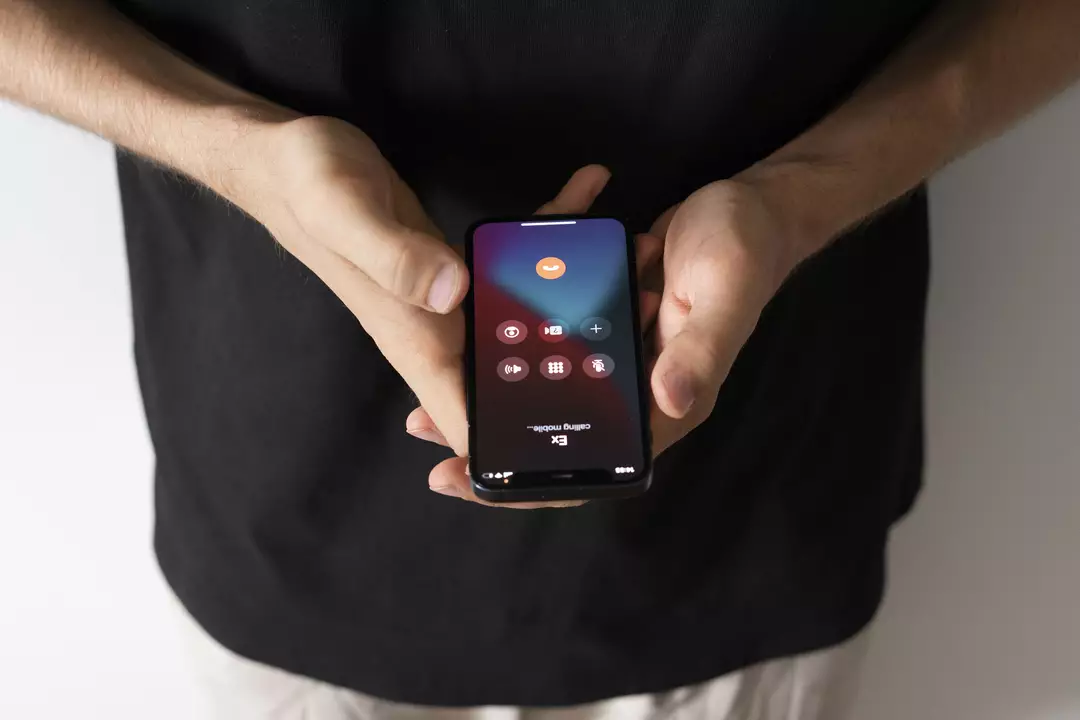
If someone resists emotional closeness or avoids building real intimacy, Cornejo said it may reflect unresolved hurt from a previous breakup — including fear of being vulnerable again too soon.
Klesman also emphasized that genuine interest tends to look steady over time. In contrast, inconsistent behavior — being warm one day and distant the next — can be a sign the person isn’t truly invested.
Schiff cautioned that reckless or dangerous conduct is another major warning sign, often reflecting difficulty regulating emotions in a healthy way.
If conflict ever escalates into abuse — physical, verbal, or emotional — the priority becomes immediate safety and getting away from the situation.
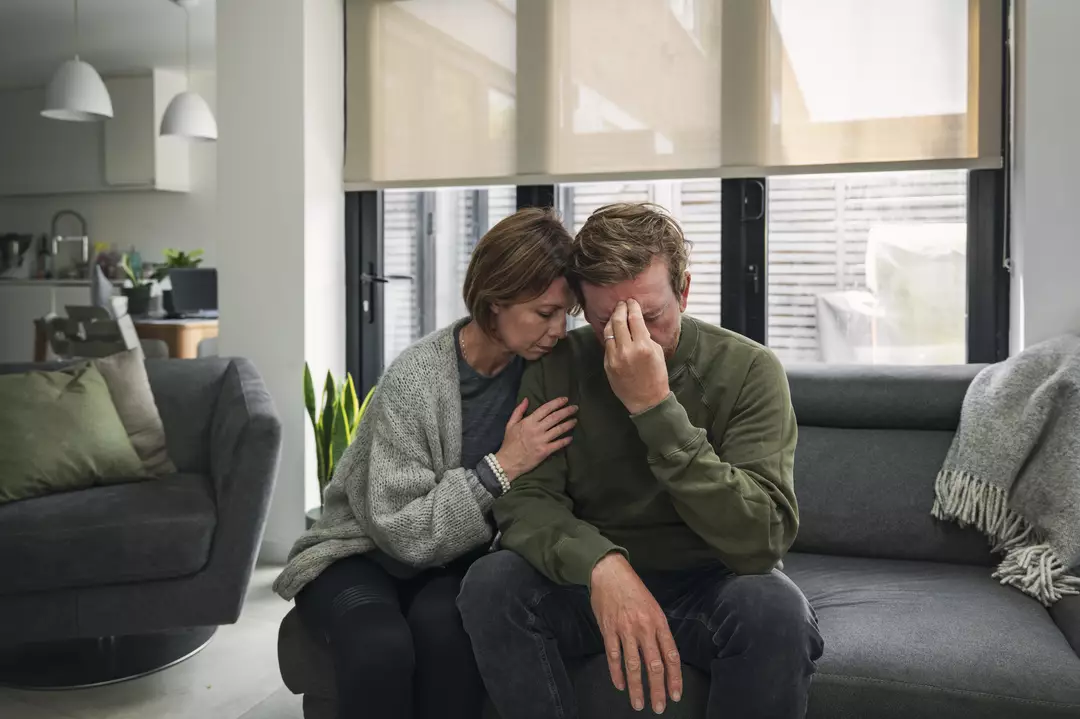
Tara Quick, an eye movement desensitization and reprocessing therapist, told TODAY that trauma bonding can create a powerful sense of closeness very quickly.
“You can quickly feel enamored and attached because you feel seen and understood; however, this also means that the unhealed places inside of you are trying to heal and be healed by the unhealed places in another,” she said.
Quick added that these types of relationships leave people ‘stuck in the same dysfunctional patterns instead of healing and finding health’.
Caitlin Weese, a psychotherapist at Intuitive Healing & Wellness, said persistent rudeness shouldn’t be minimized, calling it a major indicator of future mistreatment.
“How we treat those around us is often a sign of how we treat our partners, and chances are your partner will turn this criticism and hostility your way in the future,” she noted.
It can also be risky to assume someone will “come around” on commitment. Klesman said if a person is clear from the beginning that they only want something casual, it’s best to take that at face value rather than expecting a change later.
Another issue experts raised is extreme jealousy. It can reflect insecurity, but it can also show deeper problems with trust.
“If you don’t trust them, you have to decide if that’s something you can manage,” Schiff shared.
As Rachel Green’s mom said, ‘Once a cheater, always a cheater.’
If someone has a pattern of cheating, it can create persistent anxiety in the relationship — and if it happens again, it can seriously impact confidence, emotional wellbeing, and mental health.
Schiff also pointed to long-term compatibility issues: big life goals matter, including whether to have kids, where to live, and marriage. If two people are on totally different paths, it can cause major strain later.

On substance use, Schiff said the context matters. If someone is struggling with addiction and refuses to address it, that can be a serious red flag. But when a person is willing to get help, the situation can look different depending on the circumstances.
“If your partner is willing to self-correct or get themselves into treatment, then I think it’s a case-by-case basis,” Schiff said.
She added that it’s up to you to decide if it’s ‘something you should stick around for or if it’s something that wouldn’t be healthy for you to be there for’.
Finally, consider how your partner treats the people who matter to you. If they show no interest in meeting or respecting your close relationships — or if they consistently dismiss family connections altogether — that can be another sign your values and priorities don’t align.