

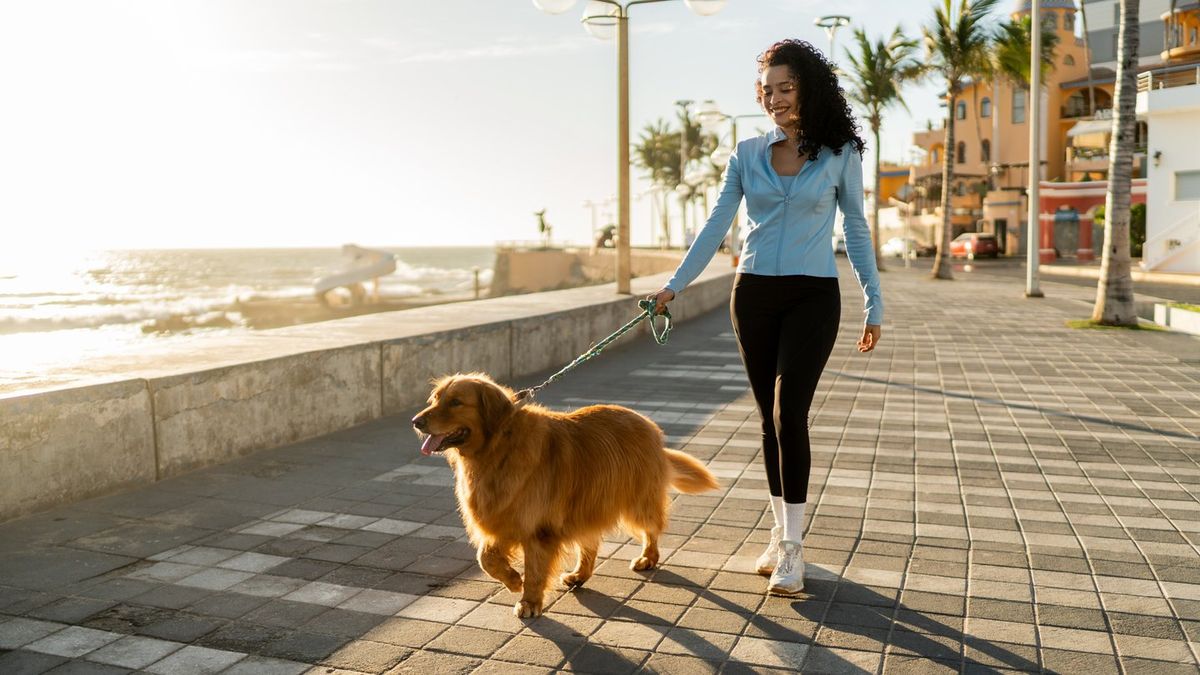
If you’ve been walking your dog lately and noticed they are acting differently, experts say it could be down to how you’re doing it.
Taking your dog out is often meant to be calm and enjoyable — a chance to get outside together and make the most of some fresh air.
However, if your dog has recently started tugging more on the lead or seems unable to move on from every scent along the way, Jo Hinds, a certified behaviorist and dynamic dog practitioner at Years, says this can be a common response to the change in season.
Just as people can feel the effects of shifting seasons on their mood and senses, dogs can be influenced in similar ways.
In fact, spring can significantly change what they experience outdoors.
She explained, per the outlet: “In spring, the environment becomes much richer in scents from plants, wildlife and other animals. For dogs, this creates a huge amount of new information to explore.”
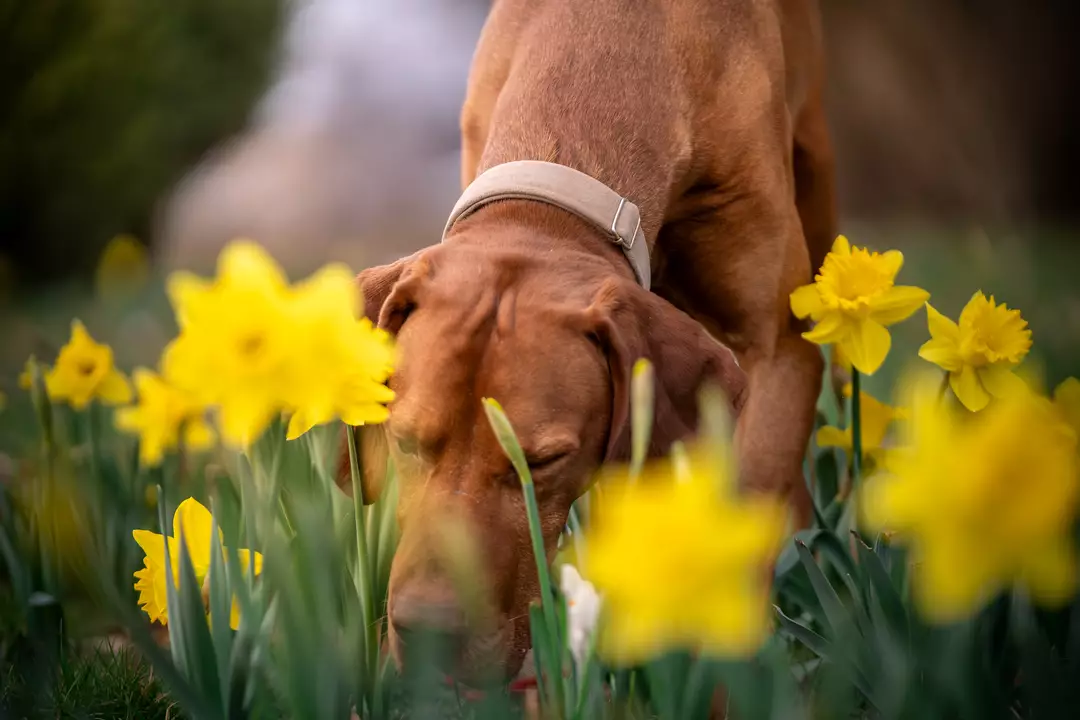
Because dogs rely heavily on scent to interpret the world, sniffing helps them build a picture of what’s happening around them — from learning about other animals to understanding territory and changes in their environment.
That can mean walks slow down, as they pause more often to take in all the new smells.
It might feel inconvenient if you’re short on time, but Hinds warns against trying to hurry them along, as stopping them from sniffing can remove an important form of “mental stimulation.”
Rather than yanking the lead, rushing the walk, or discouraging the behavior, she recommends letting sniffing happen naturally when it arises.
If your dog is getting overstimulated, it may also help to choose calmer routes where there’s less competing activity and fewer distractions.
In those quieter settings, you can build better lead manners by rewarding moments of good behavior — such as offering treats or praise when they stay close and don’t pull.
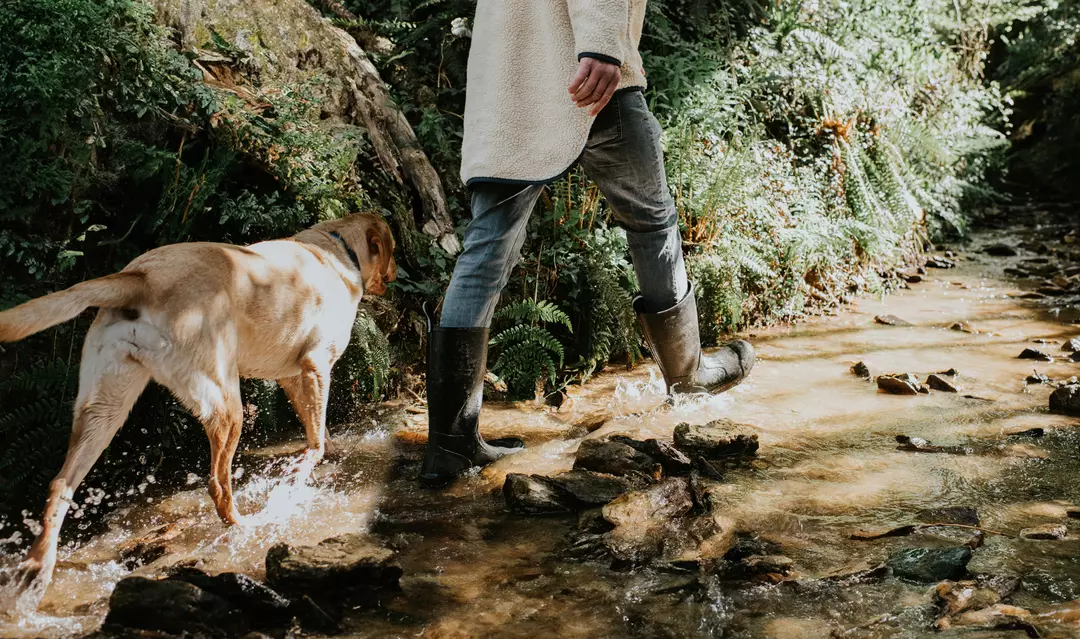
Pet Honesty, a dog multivitamin brand, also suggests ensuring your dog understands essential cues before trying to manage sniffing on walks, including commands such as “leave it,” “heel,” and “no.”
The brand’s blog adds that teaching a cue like “go sniff” can be useful, because it helps your dog understand they’re allowed to explore — but within boundaries you set.
It even notes that sniffing can be motivating enough to work as a reward in training: “Depending on how much your pup loves sniffing, ‘go sniff’ could sometimes even be used in lieu of a treat!”
While Pet Honesty emphasizes that owners remain responsible for keeping their dogs under control in public, it echoes the message that sniffing itself shouldn’t be treated as bad behavior.
The blog said: “That said, it’s important that you never punish your dog for sniffing, no matter how annoying. Instead, reinforce positive behavior.”
Instead, owners can help their dog learn that sniffing is allowed at appropriate times, while keeping walks more predictable so the dog feels confident they’ll get another chance to explore soon.