


Feeling awkward after a slip-up is part of being human, but psychologists say there’s one response that can actually work in your favor when you mess up in public.
From calling someone by the wrong name to stumbling on the pavement or knocking a drink over, everyday blunders can leave anyone wishing the ground would swallow them up.
To better understand how these moments shape the way we’re perceived, researchers ran a study involving more than 3,000 people. Participants read about various embarrassing scenarios experienced by others — like greeting the wrong person or walking straight into a door — and then evaluated how the people involved came across based on their reaction.

Across six online experiments, the results suggested that people who laughed at their own minor mistakes were generally rated more positively than those who visibly displayed embarrassment. Observers tended to see the self-laughing group as warmer and more genuine, while also viewing them as more capable overall.
“Our findings suggest that people often overestimate how harshly others judge their minor social mistakes.
“For minor, harmless blunders, laughing at yourself can signal social confidence, reduce tension and communicate that the mistake was accidental.”
The researchers argued that, in low-stakes situations, a strongly embarrassed reaction can look like an overcorrection. By comparison, a light, amused response can communicate that the person understands they made a small error and isn’t trying to make it a bigger issue.
“Observers tended to think that actors who displayed embarrassment were feeling more embarrassed than the situation warranted, while laughing signalled that they recognized the mistake was minor,” Sezer added.
However, the study also found that the “laugh it off” effect depends on what actually happened. The mistake needs to be harmless for amusement to land well.
If someone trips and gets seriously injured — or causes another person real harm — laughing would likely be viewed as insensitive rather than socially confident.
As a result, the researchers emphasized that responses should fit the moment, with Sezer stressing the need to match ‘the reaction to the seriousness of the mistake’.
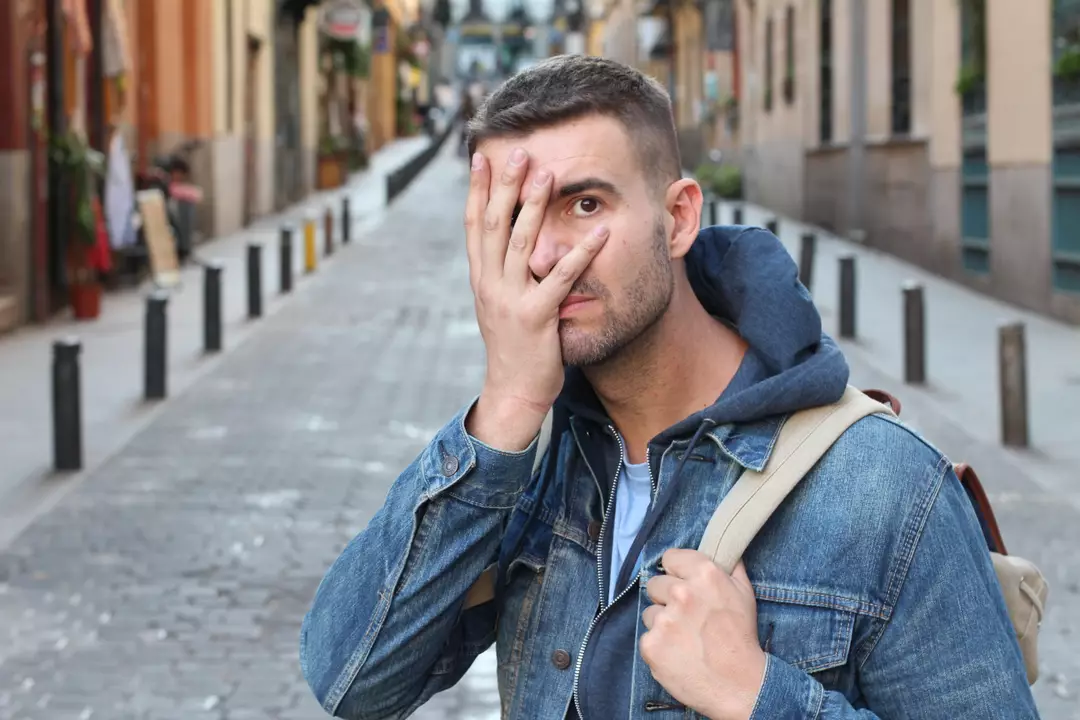
Earlier research has also pointed out that showing embarrassment can be useful in certain circumstances, because it can indicate remorse and confirm that someone understands they crossed a social line.
“When a faux pas causes minimal or no harm to others, actors maximize reputation by displaying amusement.
“But when a faux pas harms others, amusement becomes inappropriate, decreasing its reputational benefits.”
The study, published in the Journal of Personality and Social Psychology, notes that context matters — and the research team says future work will explore additional influences, including humor style, gender norms, and how reactions are judged in specific environments such as workplaces.