

Five Italian tourists who died in a tragic scuba accident in the Maldives may have been exposed to two factors that experts say could have contributed to the fatal outcome.
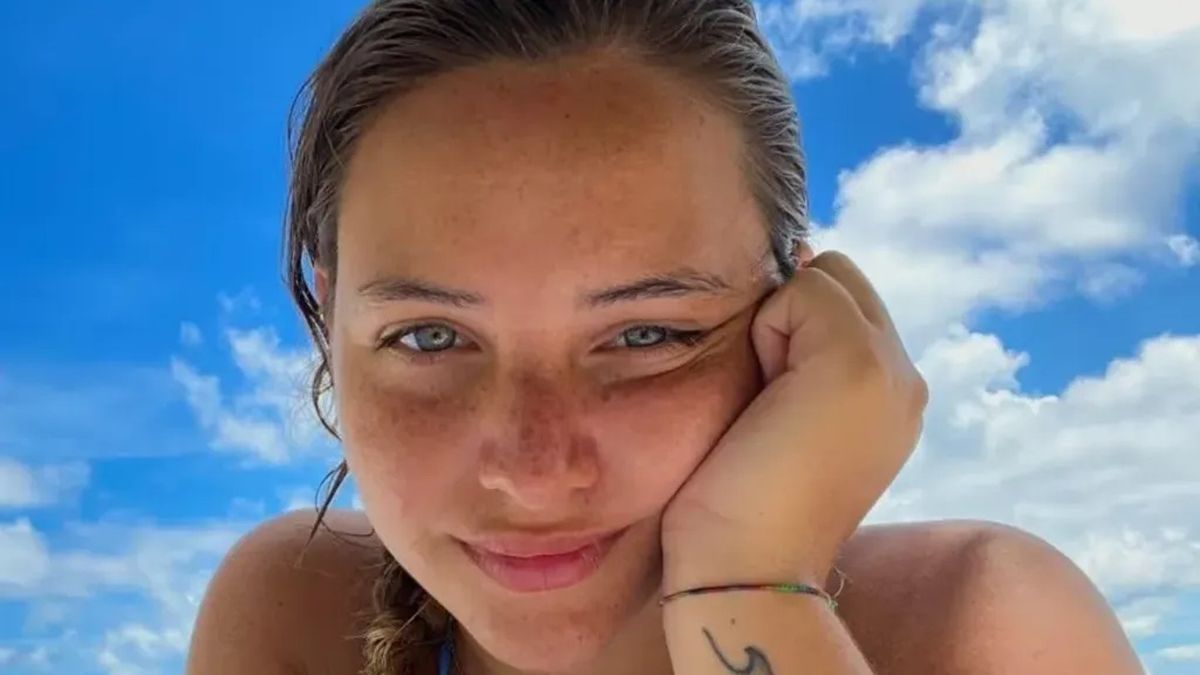
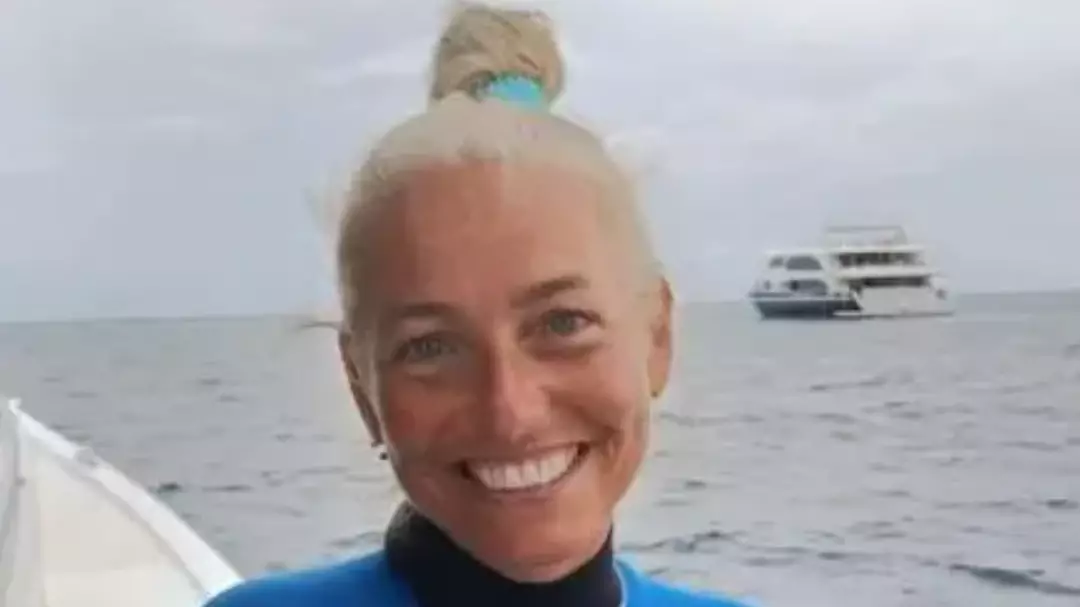
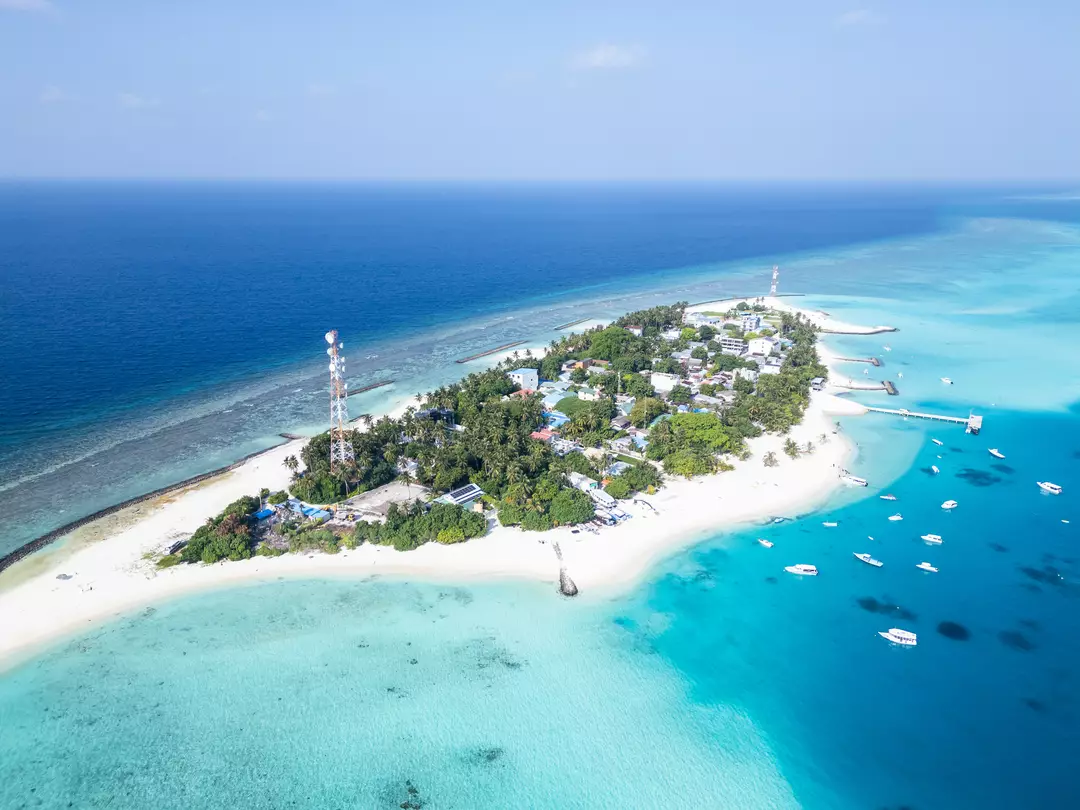
The victims have been identified as Monica Montefalcone, a professor at the University of Genoa; her 20-year-old daughter Giorgia Sommacal; Muriel Oddenino from Turin; Gianluca Benedetti of Padua; and Federico Gualtieri from Borgomanero. The group disappeared while diving in the waters of Vaavu Atoll yesterday (May 14).
Maldives military officials said one body was found around 60 metres underwater inside a cave, while four others were located at roughly 50 metres, where they were reportedly attempting to explore.
Conditions at the time were described as rough, with winds reported at around 30 miles per hour, though it remains unclear whether the weather directly contributed.
After the five failed to return to the surface as expected, the boat supporting the dive raised the alarm and the tourists were reported missing.
As authorities work to determine what went wrong, two potential explanations have been raised by specialists: oxygen toxicity and panic.
Claudio Micheletto, a pulmonologist at the University Hospital of Verona, told Adnkronos that oxygen toxicity could be a possible factor.
He suggested that because all five divers died during the same outing, ‘it’s likely that something went wrong with the tanks,’ raising concerns about the gas mix used on the dive.
“Death from oxygen toxicity, or hyperoxia, is one of the most dramatic deaths that can occur during a dive – a horrible end,” Micheletto speculated.
According to the National Library of Medicine, oxygen toxicity occurs at a rate of about one in every 158,000 closed-circuit rebreather dives, and may be as high as 3.5 per cent for certain special-operations dives.
Oxygen toxicity is linked to exposure to elevated levels of oxygen. Depending on the concentration and the length of time a diver is exposed, symptoms can include ‘pleuritic chest pain, substernal heaviness, coughing, and dyspnea’ as well as ‘tinnitus, dysphoria, nausea, and generalized convulsions’—with severe cases potentially resulting in death.
Recreational scuba divers typically breathe a tank mix similar to air—about 21 per cent oxygen and 79 per cent nitrogen—an approach PADI explains is designed to manage how gases behave under increasing pressure at depth, including dives reaching 60 metres.
If that balance is altered, the mix can shift toward nitrox, which contains a higher oxygen percentage and can become harmful at depth due to oxygen’s increased toxicity under pressure.
“When you breathe in too high a concentration of oxygen, the gas becomes toxic to the body,” he said.
“During the dive, dizziness, pain, altered consciousness and disorientation occur, making it impossible to surface.”
Another danger highlighted by experts is panic. Alfonso Bolognini, president of the Italian Society of Underwater and Hyperbaric Medicine, told The Post that stress in a confined environment can quickly cascade into a deadly emergency.
“Inside a cave at a depth of 50 meters, all it takes is a problem for a diver or a panic attack for a diver,” he said.
“The agitation will cause the water to become cloudy and can impair visibility.”
He added: “It’s not easy to say now what exactly may have happened at the bottom of the sea.”