

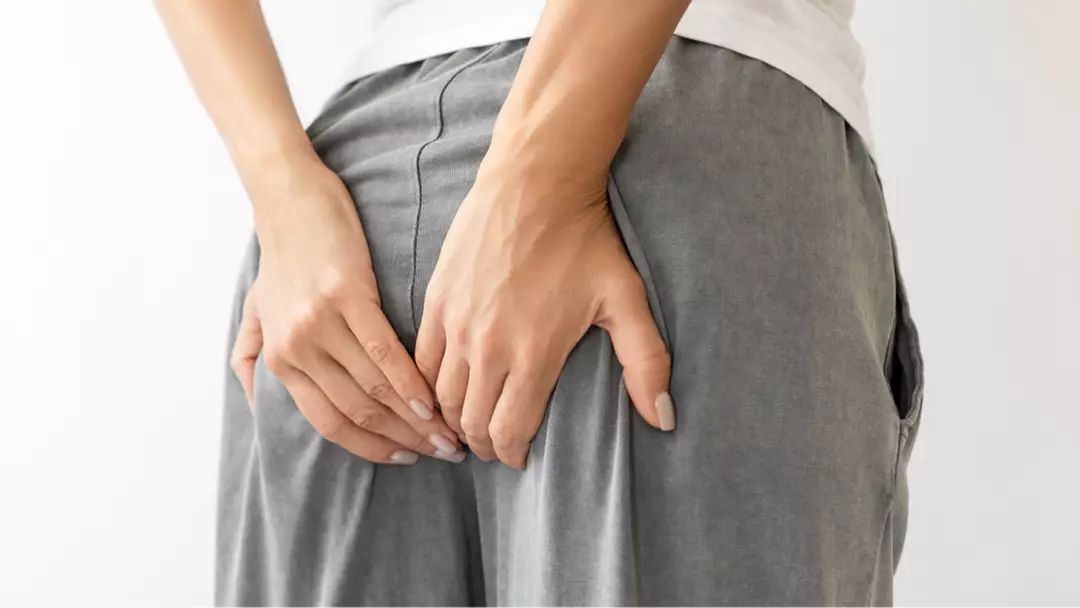
Your rear end might hold vital clues about your overall health.
It’s a muscle that garners significant attention for several reasons, but one specific aspect of your backside is particularly noteworthy.
The gluteus maximus, commonly referred to as your ‘other cheek’, is the largest muscle in the body. It is located at the top of the legs, where they connect with the pelvis.
This muscle plays a crucial role in leg movement and is connected to two substantial bones, the pelvis and femur. Thus, its size is understandable. However, it’s not about the size of your backside but rather a specific factor related to it that is significant.
And no, it’s not related to what’s expelled from it, though that also can provide some health insights.
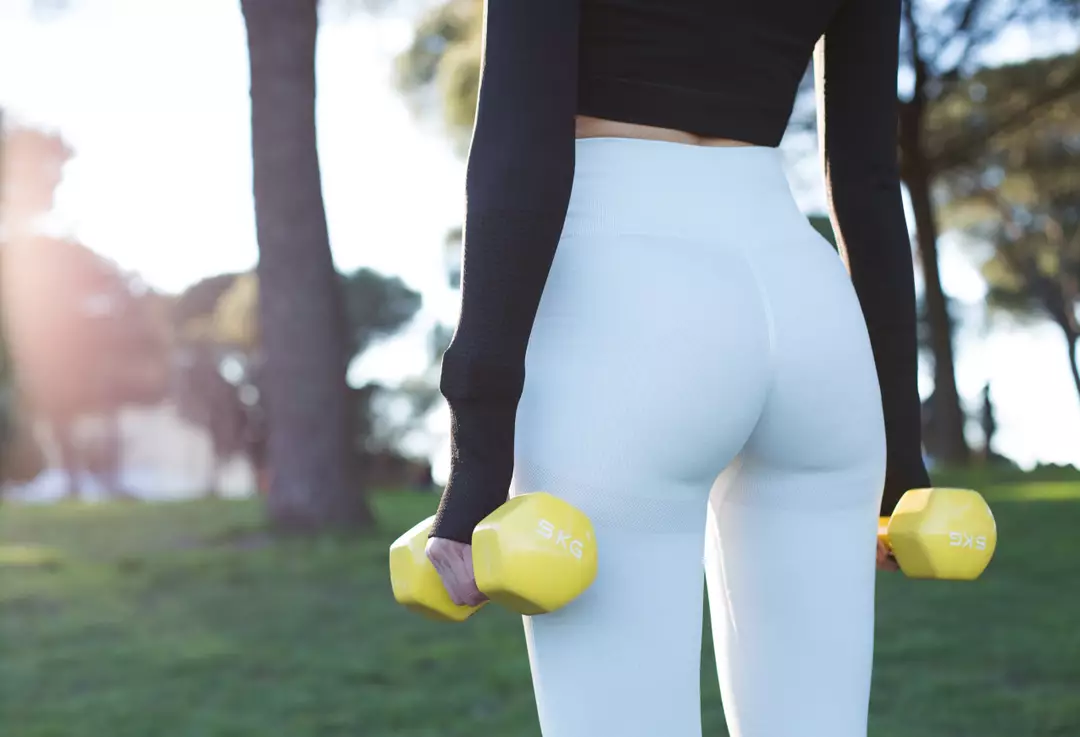
It’s the shape of the buttocks, or the ‘ass-pect,’ as it is sometimes humorously called, that is a significant indicator according to recent research.
The study linked specific shapes of the gluteus maximus to various health conditions.
Muscles can indicate a lot about a person’s fitness level. The study discovered that individuals with higher fitness levels often had a distinct shape to their buttocks.
Marjola Thanaj, a senior research fellow at the University of Westminster’s Research Centre for Optimal Health and a co-author of the study, explained: “People with higher fitness, as measured by vigorous physical activity and hand grip strength, had a greater gluteus maximus shape, while ageing, frailty and long sitting times were linked to muscle thinning.”
The study’s findings were shared at the annual Radiological Society of North America (RSNA) meeting in Chicago in December. The research involved the examination of approximately 61,000 MRI scans from a UK health database.

Another intriguing finding was that while a differently-shaped backside could indicate Type 2 diabetes, the signs varied between men and women.
In men, the condition is associated with muscle shrinkage, whereas in women, the muscles tend to enlarge. This difference underscores the importance for doctors to recognize how symptoms may vary by sex.
Thanaj noted that these differences highlight how men and women can have ‘very different biological responses to the same disease’.
Tanya Becker, co-founder of Physique 57, discussed the benefits of focusing on your glutes with the New York Post.
“While full-body strength training is essential, focusing on your glutes, the largest muscle group in your body, deserves special attention,” she said.