


People taking antidepressants may find heatwaves harder to cope with, as some common psychiatric medications can affect the body’s response to high temperatures.
Extreme heat has been gripping large parts of the US, with more than 20 states seeing temperatures climb above 100F.
The UK has also been experiencing unusually hot conditions, with temperatures staying above 86F, while parts of Europe have recorded exceptional highs. In Barcelona, for example, the city recently logged its hottest temperature in 112 years.
Although sunny weather can be welcome, prolonged heat brings real health concerns. That risk can be greater for people taking antidepressants, antipsychotics and certain other medications.
One issue many people may not be aware of is that some antidepressants, including SSRIs and SNRIs, can interfere with sweating and temperature regulation.
The Centers for Disease Control and Prevention has issued guidance explaining how heat can interact with medications such as antidepressants.
“may increase [the] risk of heat related illnesses include […] stimulants like methylphenidate for attention-deficit/hyperactivity disorder (ADHD), tricyclic antidepressants, selective serotonin reuptake inhibitors (SSRIs) and diuretics”
Common SSRIs include Citalopram, Fluoxetine, Sertraline and Paroxetine. SNRIs include medications such as Duloxetine and Venlafaxine.
These drugs may raise heat sensitivity in several ways. They can disrupt how the body cools itself, reduce awareness of thirst or overheating, and either increase or reduce sweating.
That matters because the latest clinical advice in the UK and US now treats heat as a medication issue as well as a weather issue. Updated guidance from health agencies says people who take medicines that can affect sweating, hydration or blood pressure should have a plan for hot days, especially if they are older, taking multiple medicines, or already living with long-term health conditions.

Rethink Mental Illness, a charity in England focused on improving the lives of people affected by mental illness, also warns about the effects of these medicines in hot conditions.
“Antipsychotics can reduce your body’s ability to cool itself. This increases the antipsychotics overheating risk, especially in warm environments.
“SSRIs and SNRIs (antidepressants) may cause excessive sweating, which is a common side effect related to temperature regulation.”
That can result in heavy fluid loss, dehydration, dizziness, weakness and a greater chance of fainting.
In more serious situations, it can also raise the risk of heat exhaustion and heat stroke.
“For most people this will be unpleasant rather than dangerous, but some people may be at greater risk of heat-related illness.”
Rethink says the likelihood of heat exhaustion may be higher for people taking more than one medication, older adults, and those spending long stretches in very warm surroundings.
People prescribed lithium, often used in bipolar disorder treatment, also need to take extra care. Dehydration can increase salt levels, which may push lithium levels too high. In severe cases, that can lead to lithium toxicity, which can be life-threatening.
Warning signs include nausea, stomach problems, blurred vision, urinating more often than usual, confusion, feeling light-headed, difficulty speaking and blackouts.

Rethink advises going straight to A&E if any of those symptoms appear.
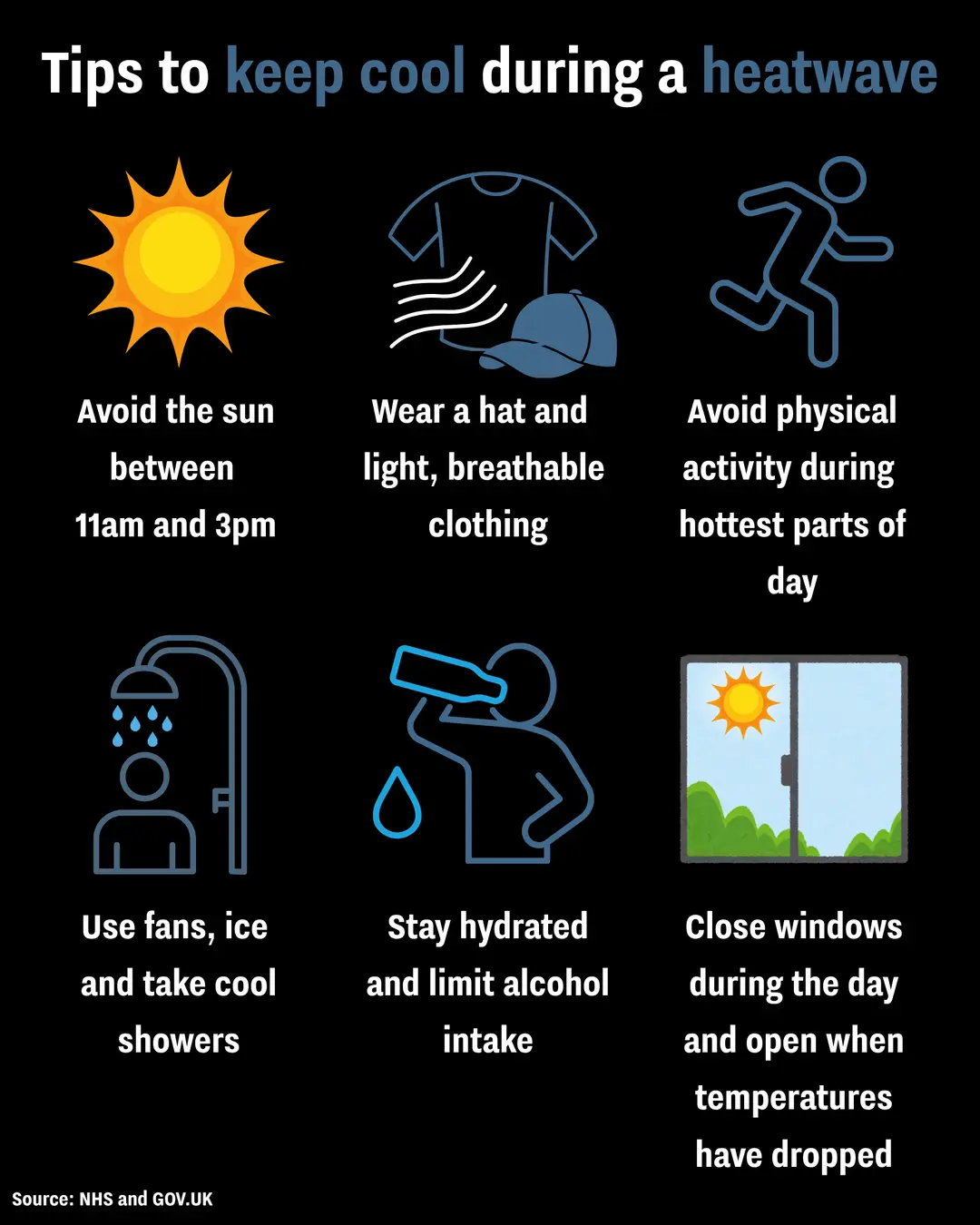
To reduce the risk of problems during a heatwave, guidance includes wearing light and loose-fitting clothes, sipping water regularly, staying indoors or in shaded areas, keeping rooms as cool as possible, and paying close attention to symptoms.
Experts also recommend storing medicines in a cool, dry place away from direct sunlight, checking whether any tablets or liquid medicines need special storage, and speaking to a pharmacist or GP if a prescription includes medicines that may affect sweating, hydration or blood pressure. Medicines should not be stopped suddenly without medical advice, even if the weather is making side effects more noticeable.
If you start to feel unwell, do not stop taking prescribed medication without speaking to a medical professional first. However, it is important to seek advice if you notice major changes in sweating or body temperature, or if you feel confused, faint, or develop signs of heat exhaustion or heat stroke.
If you or someone you know is struggling or in crisis, help is available through Mental Health America. Call or text 988 to reach a 24-hour crisis center or you can webchat at
988lifeline.org
You can also reach the Crisis Text Line by texting MHA to 741741.