


If you’re not seeing the progress you expected from weight loss medication (or from your wider efforts) there may be one crucial factor being overlooked that’s quietly holding you back.
For context, a significant number of people are trying to lose weight right now — with reports suggesting around 45 percent of people in Britain are currently attempting to slim down, and about 52 percent of Americans are also working to drop weight.
Gallup data compiled last year also indicated that roughly four in 10 people in the US described themselves as overweight.
“The largest segment of Americans, between 48 percent and 60 percent, has consistently said their weight is about right, while 34 percent to 44 percent have reported that they are overweight and just 4 percent to 8 percent have said they are underweight,” the findings suggested.
With so many people feeling they’re carrying extra weight, it’s no surprise that many are pursuing a slimmer body in different ways — and that includes the growing number turning to GLP-1 medications.
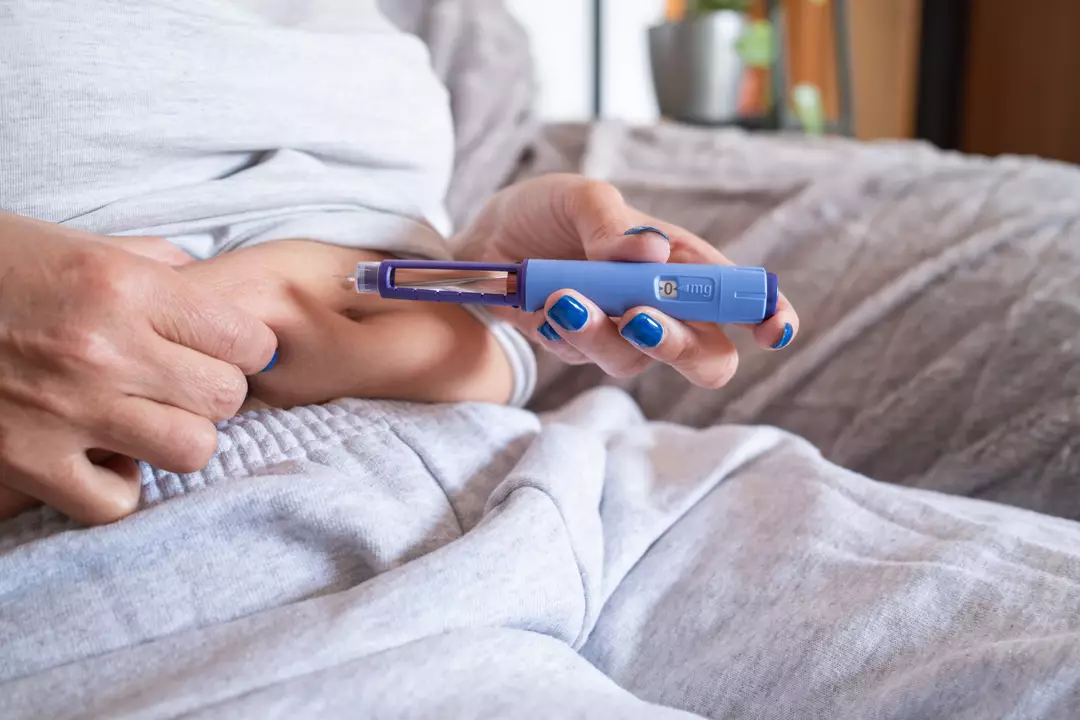
However, there’s one major piece of the puzzle that often gets ignored — whether someone is trying to lose weight naturally or using GLP-1s.
That missing piece is sleep.
Explaining why sleep can make or break progress, James Leinhardt, a leading sleep expert who has worked for the NHS for years, shared: “Sleep influences weight loss in three key ways: by increasing hunger and cravings, disrupting hormonal balance, and impairing decision-making.
“While these effects may appear well understood, failing to prioritise sleep quality, not just duration, can lead to impulsive behaviours that ultimately derail any attempt at a weight loss plan.
“One of the most significant, yet often overlooked, impacts of sleep on weight loss is hormonal imbalance. Its effects may not be immediately noticeable (or even visible), but when sleep quality is compromised, levels of Ghrelin, the hormone that signals hunger, increases, while Leptin, the hormone responsible for signalling fullness, decreases.”

He added that when these hormones are out of sync, you can end up feeling hungry even when your body doesn’t actually need food — which makes portion control tougher and cravings harder to ignore.
And for those using GLP-1 injections, sleep may be just as important to results as diet choices and routine, according to Peter Thnoia, Superintendent Pharmacist at weight loss pharmacy PillTime, who said: “Sleep plays a far bigger role in the impact of weight loss injections than many people realise. Poor sleep disrupts appetite and metabolic hormones, increases cravings and fatigue — all of which are symptoms that weight loss treatments try to suppress.
“Not only can lack of sleep worsen common side effects such as nausea, but it can have an impact in how successful an individual may feel their treatment is going, if they’re feeling less energised and still suffering from strong hunger pangs.
“While weight loss injections can reduce hunger, they don’t override the body’s need for rest. Without good-quality sleep, people may see slower progress, reduced fat loss and a greater risk of losing muscle rather than weight. Supporting sleep alongside treatment is key to achieving safe, sustainable results.”
So if you’re focusing on weight loss right now, it may be worth treating sleep like part of the plan — not an afterthought. If you do one thing this weekend, make it proper rest.