

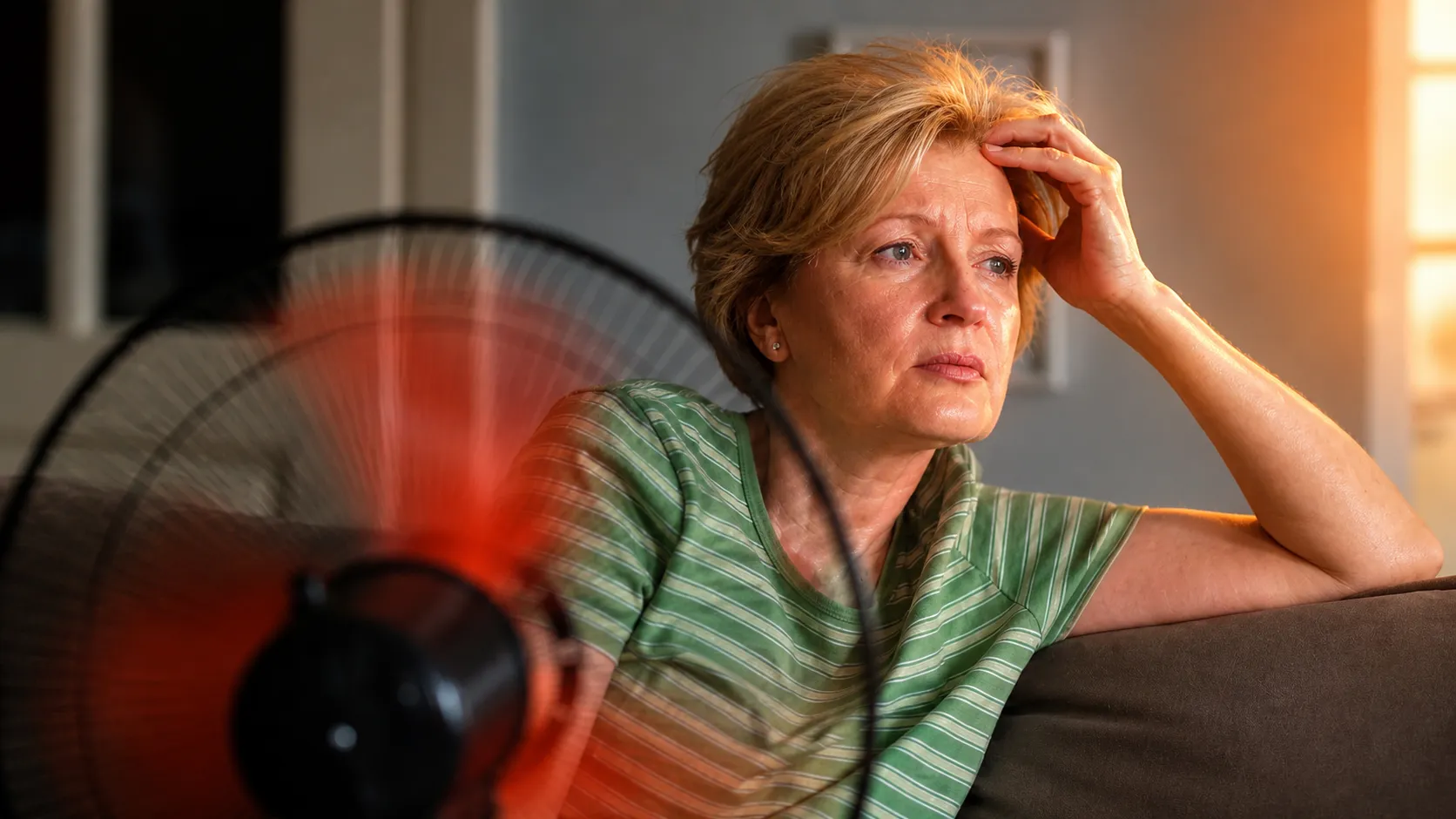
Specialists have cautioned that fans can stop being helpful in extreme heat, and may even make conditions feel worse beyond a certain temperature.
When a heatwave hits, many people instinctively switch on a fan in search of quick relief.
Cool air moving across your skin can certainly feel refreshing at first, but experts say that effect does not last indefinitely. Once indoor temperatures climb high enough, a fan’s ability to cool the body drops off significantly.
In very hot conditions, relying on a fan may do more than simply stop helping. It can actually add to heat stress, especially if the room is already hot and closed off.
That does not mean fans are useless altogether. In moderately hot weather, they can still help by increasing evaporation from sweat, and they may be useful when paired with cooler air or ventilation.
However, there is a limit to how effective they can be.
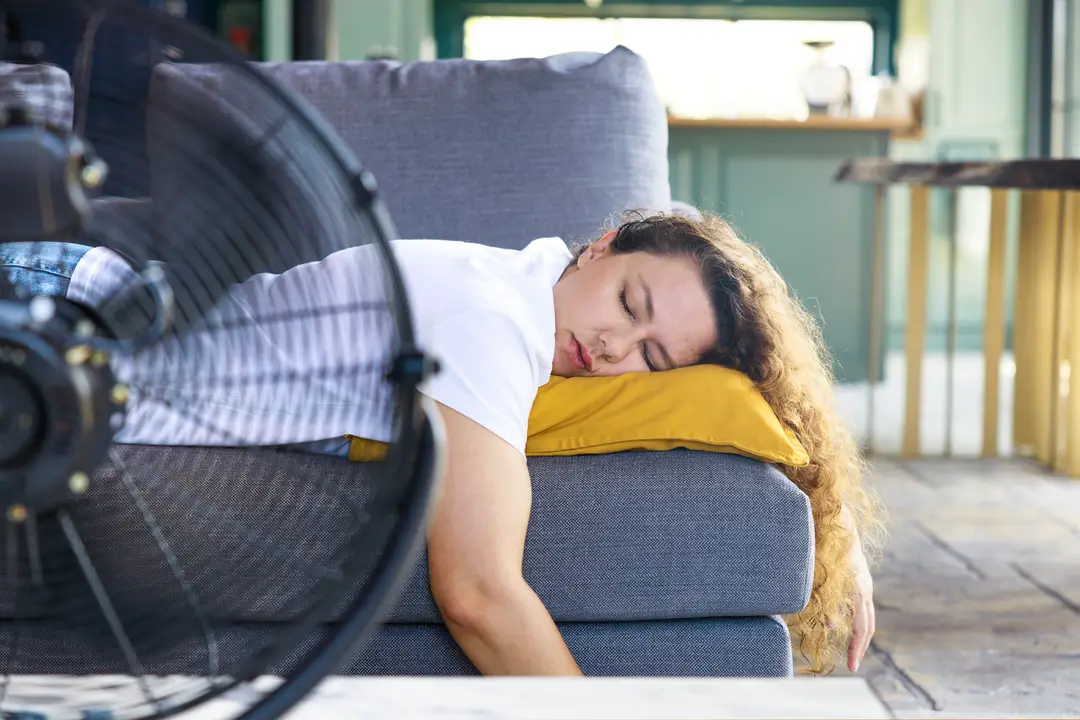
Public health guidance says the tipping point comes when indoor temperatures get too close to the body’s own temperature. The US Centers for Disease Control and Prevention says fans should only be used when indoor temperatures are below 90F, because above that level a fan can increase body temperature.
At lower temperatures, a fan helps by moving air across the skin, which encourages sweat to evaporate and cools the body naturally. But once the surrounding air becomes very hot, that process becomes much less effective.
Instead of lowering your temperature, the fan may simply push hot air around the room.
If that hot air is blowing directly onto you, it may also dry out your skin and contribute to fluid loss, which makes hydration even more important during extreme heat.
So while fans still have their place, reducing the temperature of the room itself matters just as much. If you have air conditioning, using it is the safest and most effective option during a serious heatwave. If you do not, it can help to spend time in cooling centers, libraries, shopping centres or other air-conditioned public spaces during the hottest part of the day.
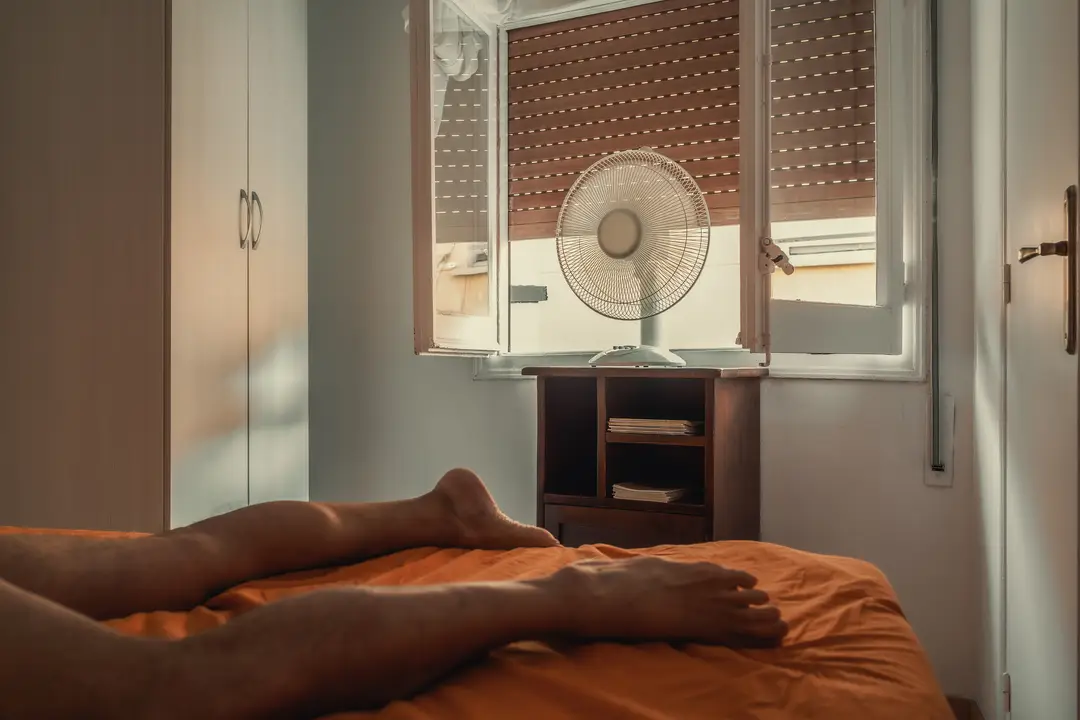
For people without air conditioning, experts recommend keeping windows and blinds closed during the hottest part of the day to block out direct sun, then opening windows later in the evening if the outdoor air becomes cooler. A fan can help more when it is used to draw in cooler air or push hot air out of a room rather than circulate already overheated air.
Fans are not the only hot-weather habit that can be misunderstood, either.
Another example is taking a cold shower before bed, which may feel refreshing in the moment but is not always the best way to help the body wind down.
Sleep specialists more often recommend a warm or lukewarm shower before bed, because it can help the body release heat more efficiently and settle into its natural nighttime cooling process.
That said, during extreme heat, the most important priorities are staying hydrated, avoiding exertion in the hottest hours, checking on vulnerable people, and watching for signs of heat exhaustion or heat stroke.
Older adults, young children, pregnant people, outdoor workers, and people with chronic health conditions are at higher risk during heatwaves.