

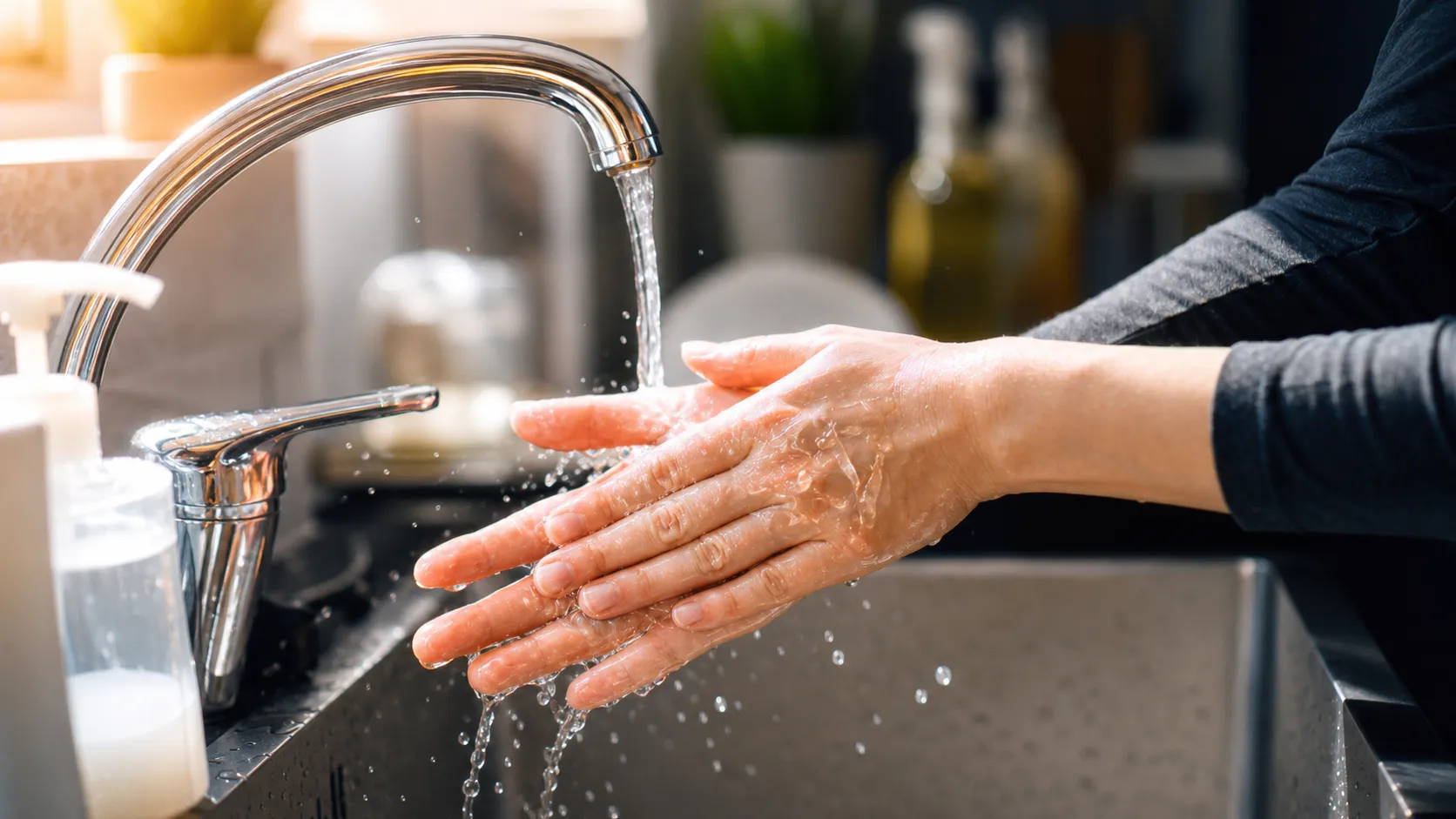
Plenty of people remember to wash their hands after going to the toilet or before a meal, but specialists say some of the dirtiest surfaces in daily life are the ones many of us touch without a second thought.
Health experts said that payment pin pads in stores, supermarkets and cafés are among the most common places for germs to spread, largely because they are handled by so many different people throughout the day.
Microbiologist Jason Tetro, who is also known as ‘The Germ Guy’, explained that the way people use these machines makes them especially good at picking up and passing on microbes.
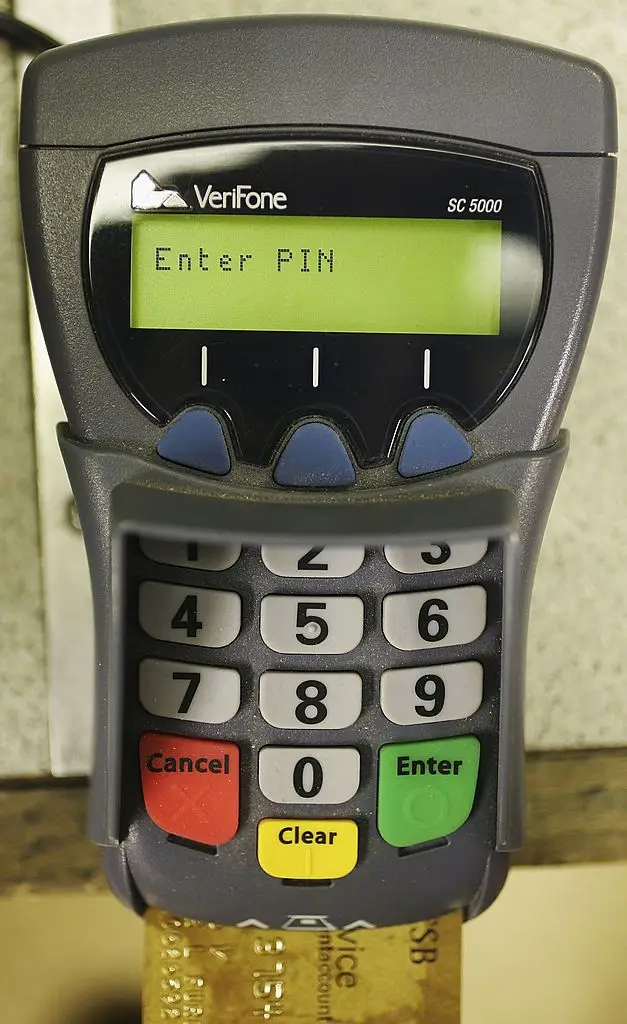
“In order for you to get the pin number inputted, you have to put pressure, and the pressure is enough to really leave behind a large amount of microbes from your hand,” Tetro said.
He said that because the same terminal is used over and over again, “there’s such a high turnover that anybody who may not have washed their hands or washed their hands properly” can leave germs for someone else to pick up next.
Tetro highlighted flu and COVID as major concerns, and said salmonella could also be transferred if someone had handled raw meat before entering their PIN. In his view, the repeated contact and firm pressing involved means the keypad poses “the greatest threat for transmitting any kind of pathogen”.
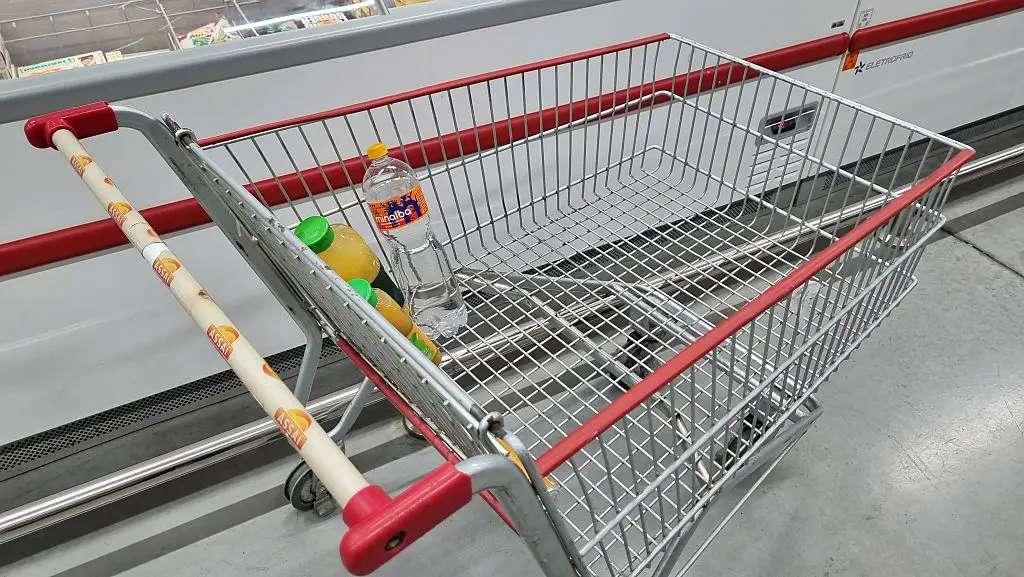
Pin pads were not the only everyday item singled out. Both Tetro and gastroenterologist Dr Supriya Rao also warned about grocery trolley handles, noting that many shoppers overlook them because their attention is on the food they are buying rather than the handle itself.
“It is the one thing that people will overlook more than anything else, because they don’t think about it, because they’re too focused on purchasing” food, Tetro said, adding that the handle can easily leave someone with “a sore throat, or maybe a cold” if germs go unwashed.
Public health guidance says this broader concern is not limited to checkout terminals and trolley handles. Frequently touched surfaces such as shopping carts, door handles, elevator buttons and touchpads can all collect germs, which is why hand hygiene matters after contact with shared surfaces and objects.
Another major culprit, according to the experts, is something most people keep with them almost constantly: their phone.
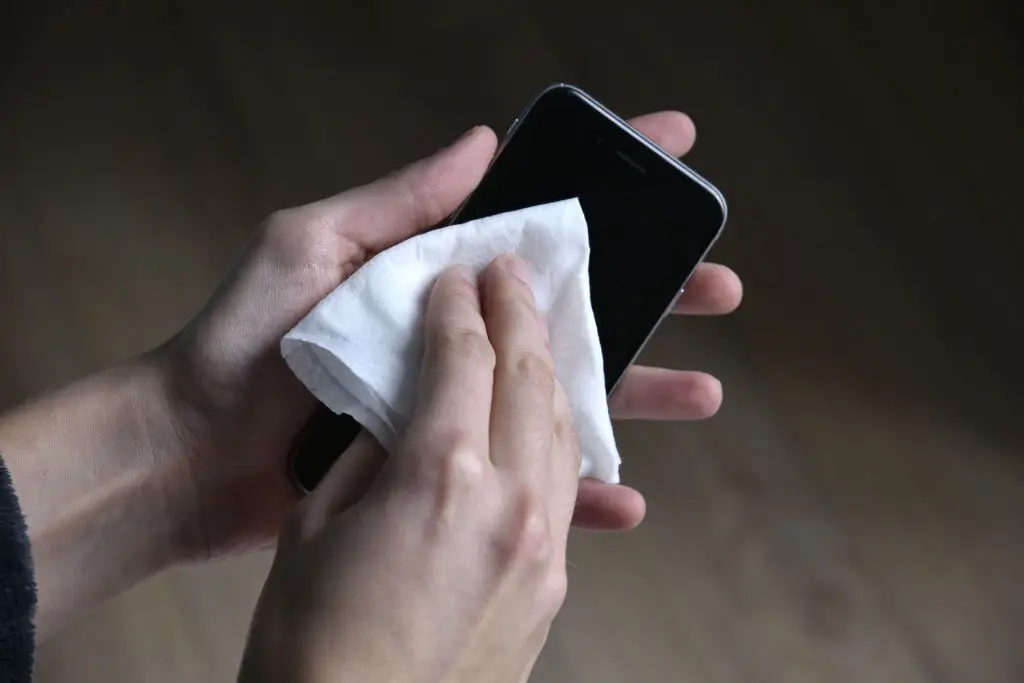
Dr Rao said phones collect bacteria and viruses from nearly every place people visit during the day. “You take it everywhere with you – the grocery store, the bathroom, the airplane, the gym. It’s always with you. And how often do you actually clean it?” she said.
She advised people to sanitise their hands before picking up their phone and to clean the device itself ‘several times a week’ to help reduce the chance of getting ill.
Health officials also advise cleaning phones and other high-touch items according to the manufacturer’s instructions, using products that are safe for the surface. For hands, the general rule is simple: wash with soap and water for about 20 seconds whenever you can, and use a hand sanitizer with at least 60% alcohol when soap and water are not available. If hands are visibly dirty or greasy, soap and water is the better option.
If soap and water are not available, Tetro said hand sanitiser can work just as well, provided it is used the right way.
He noted that ethanol-based sanitisers need a little time to do their job, and said hands should remain wet for about 15 seconds after applying it, rather than being rubbed dry almost immediately.
Tetro added that when people wonder where a cold came from, the source may be far more obvious than they realise.
“Did you use a pin pad? Did you touch your face after you touched the pin pad?” he said.
So if you’ve ever been baffled about how you got sick, that could well be your answer.