

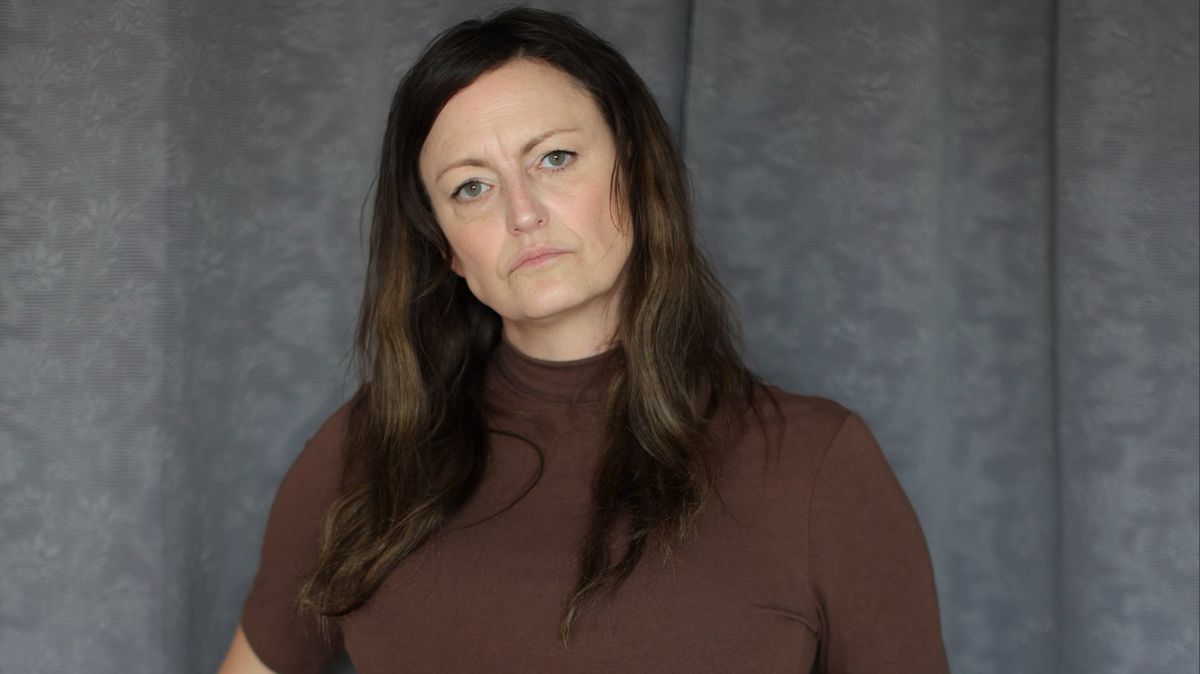
From the outside, Claire Brosseau’s life looks full: a close family, plenty of friends, and a thriving career in acting and comedy.
She also shares her days with Olive, a Maltipoo she adores.
Over the years, she has appeared in films, taken the stage at major comedy festivals, and even created television shows of her own.
Behind that success, though, Claire has lived with severe mental health challenges, including bipolar and post traumatic disorders. She has attempted to take her own life more times
‘than she can count’.
Now, she says she wants the option to die on her own terms—an effort that has sparked intense debate across Canada.
Under Canada’s Medical Assistance in Dying (MAID) framework, eligible adults with grievous and irremediable medical conditions can receive medical help to end their lives. The law, introduced in 2016, extends to people experiencing unbearable physical or psychological suffering.
Claire, however, has not been granted approval for assisted dying, with her case complicated by the fact that her primary diagnosis is psychiatric rather than physical.
As a result, she has become a prominent figure in a national argument about where assisted dying should—and should not—apply.
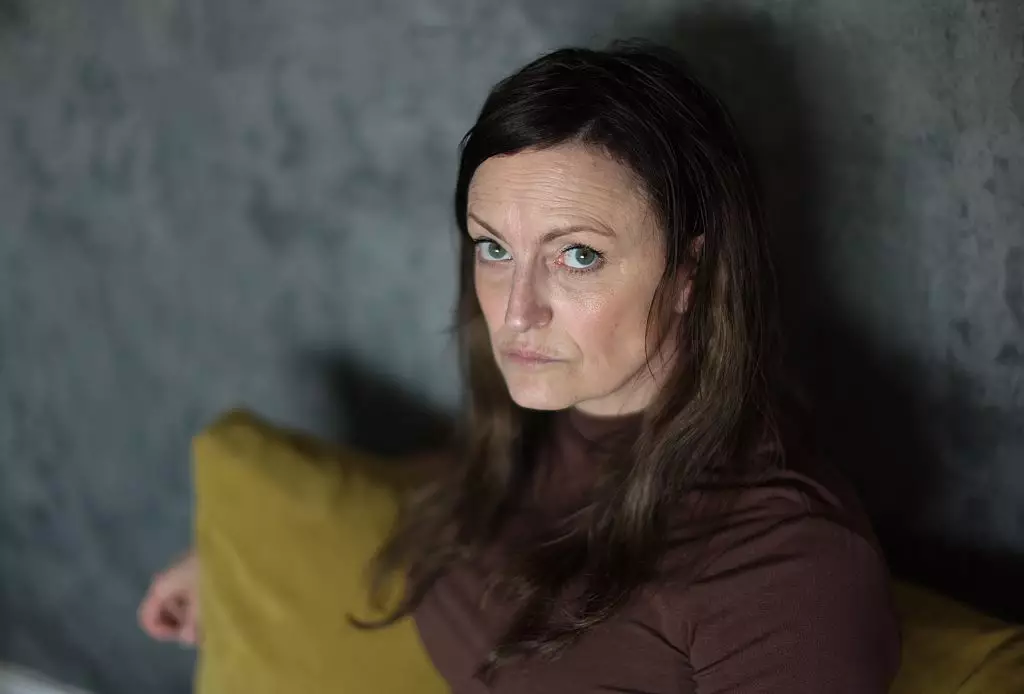
In an interview, Claire’s sister described the shock and pain she felt after learning about Claire’s plan.
“I was furious. I really saw it as giving up.”
That characterization is disputed by those who point to the sheer amount of treatment Claire has pursued. According to the report, she has tried more than 25 medications, electroconvulsive therapy (ECT), art therapy, talk therapy, and behavioral therapies, as well as guided psychedelics. She has also been seeking access to assisted dying since 2021.
Her mother, Mary Louise Kinahan, echoed the heartbreak, while also acknowledging the depth of Claire’s suffering.
“No mother ever wants to lose a child before them, but no mother wants to see incredible suffering.’’
Claire has said suicidal feelings began in childhood. She wrote in a Hello Kitty diary at eight years old that she hoped she would die.
“It would be better for me and for everyone else if I weren’t here.”
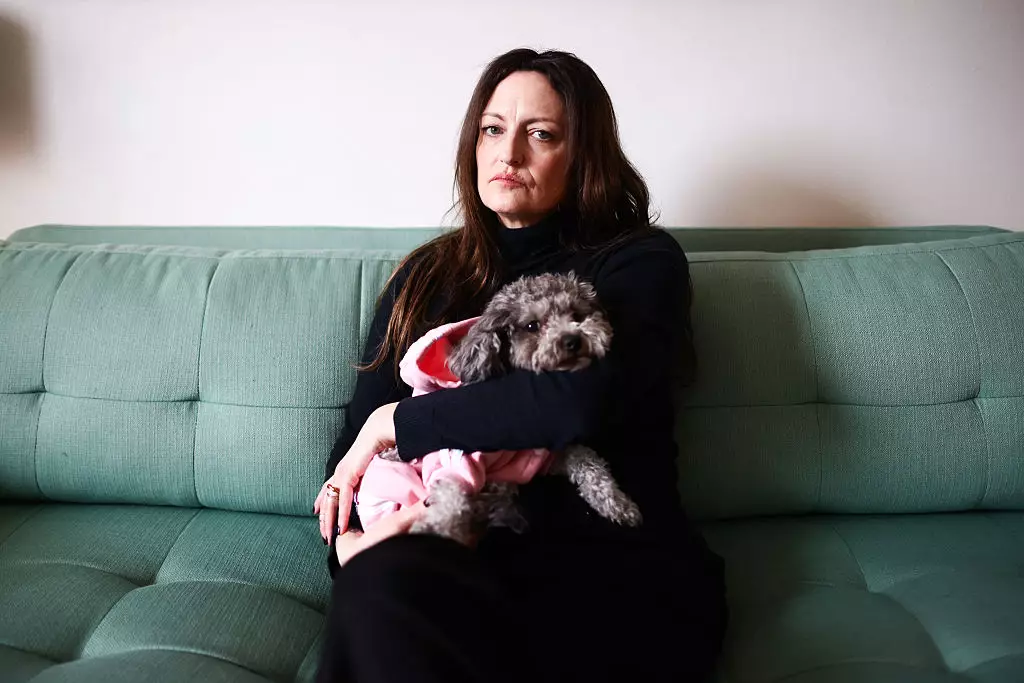
Claire argues that the current application of MAID unfairly treats psychiatric illness differently from physical illness.
“Current MAID law discriminates against people like me. In anticipation of my litigation, I was assessed and found eligible for MAID, but I cannot access this legal medical service just because my illness is a mental illness. If my suffering were from a physical condition, I could be eligible for MAID. They are drawing a distinction that is stigmatizing, paternalistic and without any valid justification. That is discrimination.”
One of her psychiatrists, Dr Mark Fefergrad, said he believes Claire still has a real chance of improvement.
“I believe she can get well. I don’t think [assisted suicide is the best or only choice for her.”
A second psychiatrist, Dr. Gail Robinson, said she hopes Claire ultimately decides against it, while emphasizing she would stand by her.
“I would love her to change her mind. I would hope that she would not have to do this. But I will support her.”
Questions over whether MAID should be available for mental illness have been among the most contentious issues in Canada’s assisted-dying discussion for years—and for now, there is no clear end in sight.