

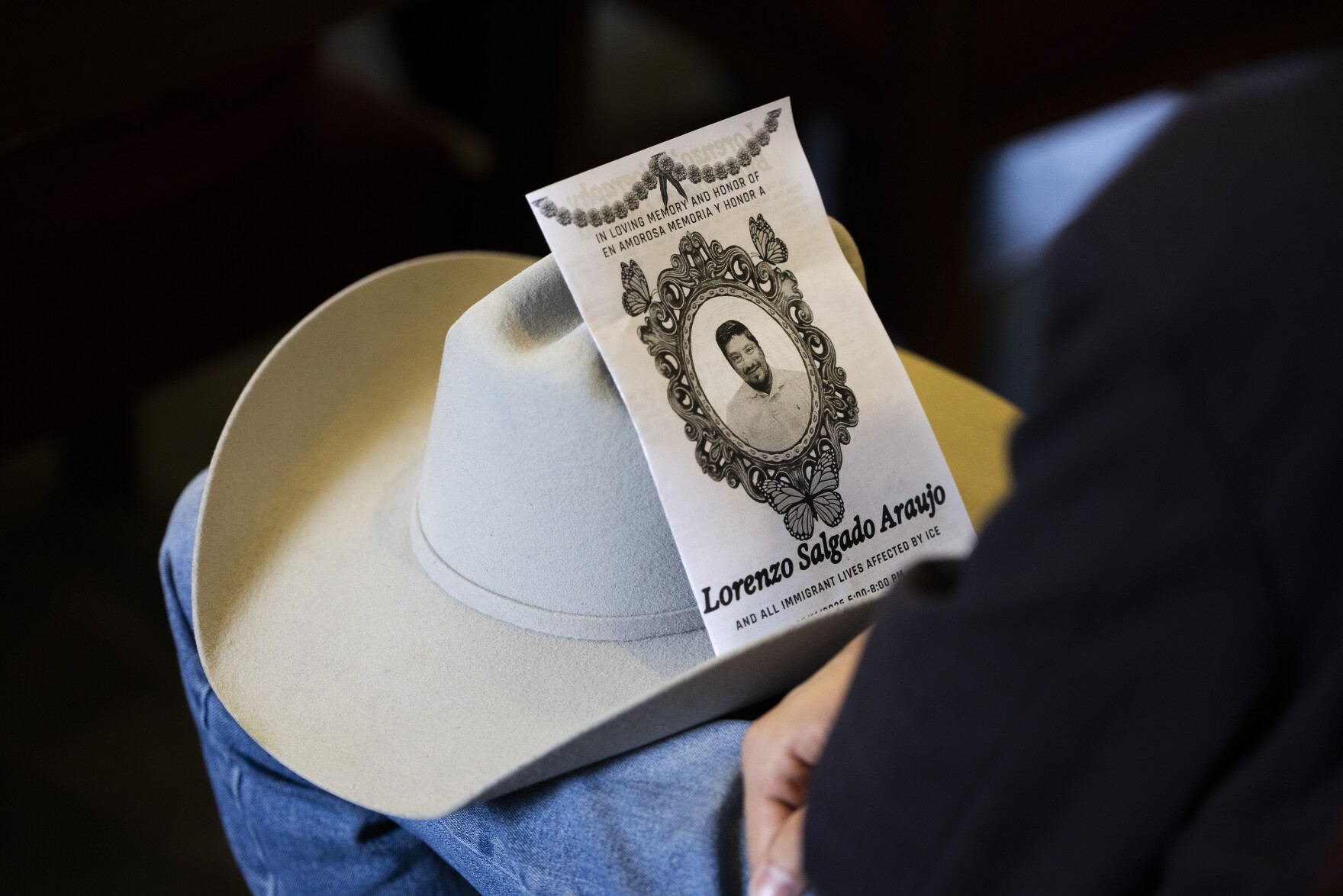
A 52-year-old Mexican construction worker named Lorenzo Salgado Araujo was fatally shot by an Immigration and Customs Enforcement officer on July 7, 2026, in Houston’s East End as he drove his crew to a job site. The shooting has sparked massive community outcry, with vigils being held across the Houston area, and has become the eighth death during the Trump administration’s immigration enforcement campaign.
The circumstances of the shooting remain deeply disputed. Immigration and Customs Enforcement said Salgado Araujo ignored commands and attempted to ram an ICE vehicle, prompting an officer to fire in self-defense. However, three passengers traveling with him in the van have contradicted this account, telling their attorney that the van never touched the ICE vehicle and that the shots came from the side of the van, not from the front where an officer would have needed to be standing.
More significantly, federal authorities later acknowledged that Salgado Araujo was not even the intended target of the operation. Acting ICE Director David Venturella confirmed to U.S. Representative Sylvia Garcia that Salgado Araujo’s white van resembled a target vehicle under surveillance. According to a Department of Homeland Security official, ICE agents had been looking for two other individuals traveling in a white van. When they spotted Salgado Araujo’s vehicle with a driver who resembled their target, they conducted a traffic stop.
Salgado Araujo had lived in the United States for nearly 35 years and had built a successful construction business in Houston. His family said he had no criminal record and was close to finishing the lengthy process of obtaining legal status through a work permit application. He had been working with lawyers on his immigration case and was fully aware of how to conduct himself if stopped by immigration authorities.
His three adult sons are all educated—one is a teacher, another is an engineer, and the third is studying engineering in college. The family describes Salgado Araujo as a devoted husband and father who made his wife’s lunch every day before heading to work at sunrise.
The fatal shooting was marked by numerous procedural problems. The ICE officers involved were not wearing body cameras, a fact that federal officials initially blamed on government shutdowns. When Salgado Araujo arrived at the hospital, his personal identification documents had been taken by agents, leaving him admitted as a John Doe. This created additional complications for his family, who faced bureaucratic hurdles in trying to claim his body and arrange funeral services. Salgado Araujo’s wife does not have legal immigration status, requiring the family to work with attorneys to give power of attorney to their son so they could proceed with funeral arrangements.
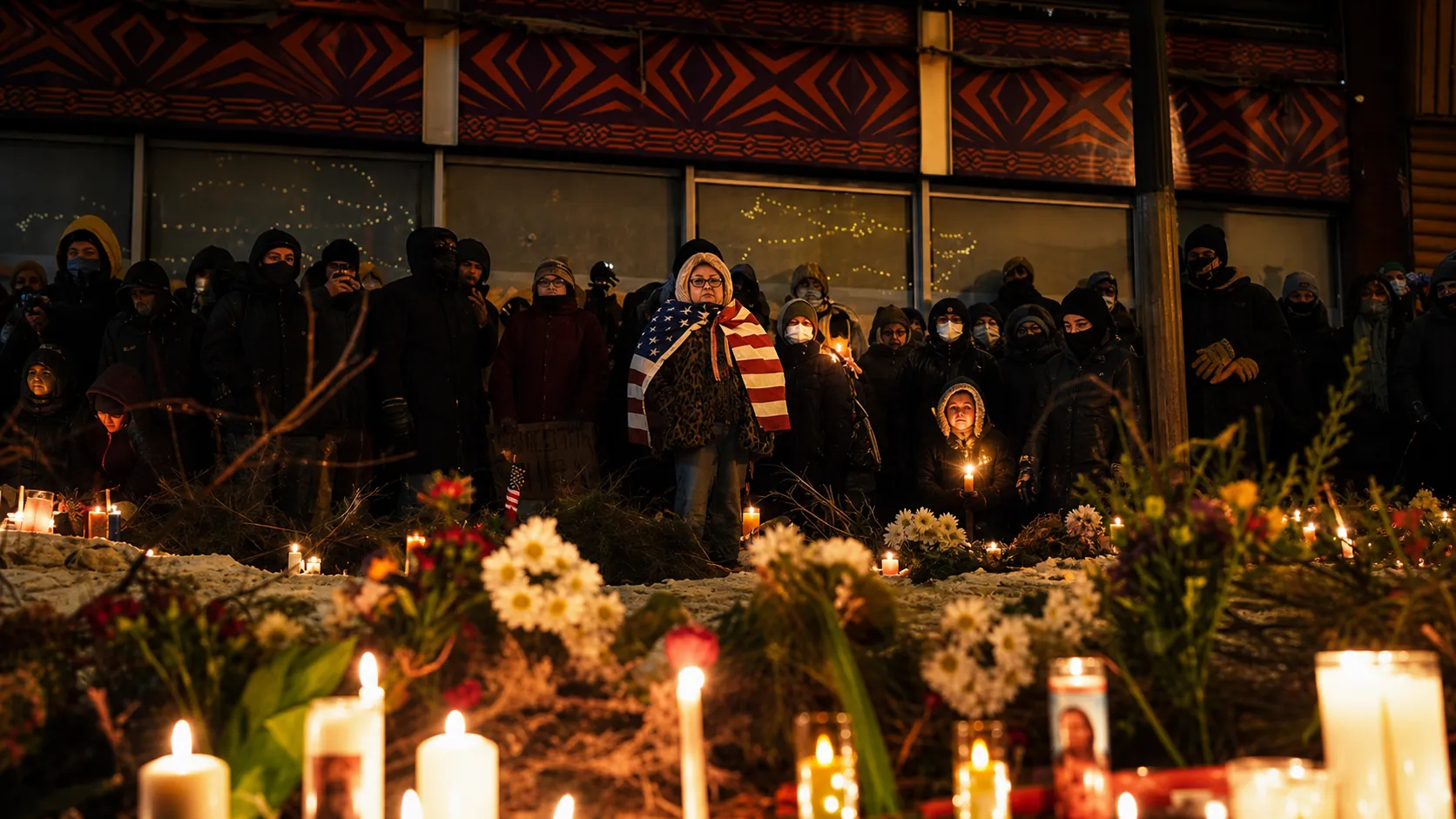
Vigils have been held across the region to honor Salgado Araujo’s life and memory. More than 200 people gathered in Houston at the headquarters of the Service Employees International Union for a weekend vigil filled with both grief and outrage. Another vigil drawing about 200 people was held in Austin at a church, with speakers describing the climate of fear and separation affecting immigrant families across Texas. The League of United Latin American Citizens offered a $5,000 reward for evidence related to the shooting and launched a fundraiser that quickly raised over $60,000 for Salgado Araujo’s family.
The shooting has sparked significant political fallout. Houston Mayor John Whitmire and Harris County District Attorney Sean Teare expressed frustration at federal authorities for withholding evidence and refusing to collaborate with local investigators. Teare said they were receiving updates about the case “via X and Twitter,” and that nearly a week after the shooting, local authorities still did not know the identities of the agents involved. The city’s police department, which had offered its resources to assist with the investigation, has been excluded from the process. Houston Police Chief Noe Diaz formally requested that the Texas Rangers conduct an independent investigation.
The Mexican government elevated its response beyond diplomatic channels, with Mexican President Claudia Sheinbaum announcing that Mexico would seek criminal investigations and demand accountability for 17 Mexican citizens who have died in ICE’s custody or enforcement operations. The Mexican consulate is working to obtain humanitarian parole for the three detained men so they can attend Salgado Araujo’s funeral, and lawyers are working to help them obtain new visas since they are key witnesses to the shooting.
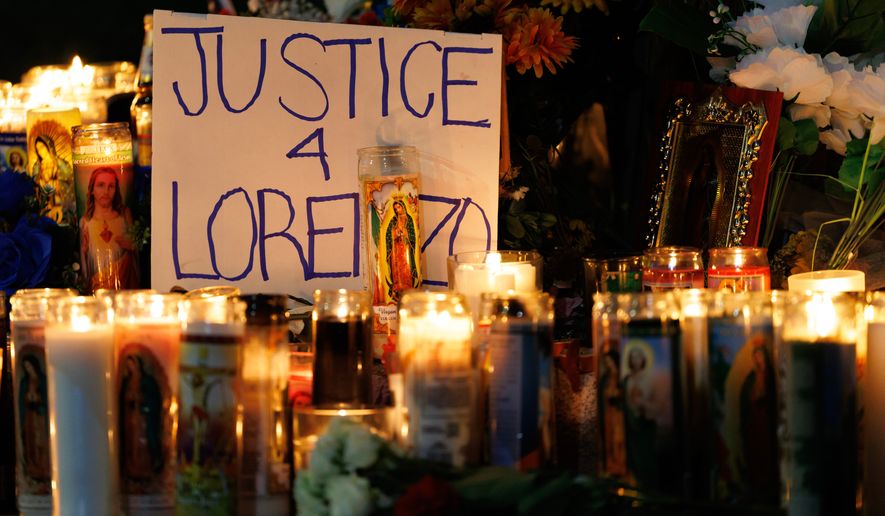
Salgado Araujo’s son Ronaldo delivered a powerful message about how his father should be remembered. “He did not deserve to be reduced to a headline of ‘Mexican man shot and killed by ICE,'” Ronaldo said during a news conference. “He deserved to live a quiet life as Lorenzo Salgado Araujo, a husband, a father, and a job creator for dozens of men who also wanted the American dream.”
Civil rights groups and Democratic elected officials have called for an independent investigation. The Department of Homeland Security’s Office of Inspector General and the FBI are currently investigating the shooting, but many are demanding an independent probe outside of federal agencies. Congressional Democrats have also requested comprehensive evidence from the incident, including any body camera footage, details on how officers identified themselves, records related to the officers involved, and any evidence supporting the government’s account of events.
The case has drawn comparisons to other controversial shootings by federal immigration enforcement agents this year. In several previous incidents, ICE’s initial accounts claiming individuals attempted to run over officers have later been contradicted by video evidence. This history has fueled skepticism about the agency’s version of events in Salgado Araujo’s case, particularly given that none of the officers involved were equipped with body cameras to provide an independent record of what occurred.
Video footage obtained from surveillance cameras shows unmarked ICE vehicles following Salgado Araujo’s white van prior to the shooting, though the footage does not capture the moment the officer fired. The absence of any video documenting the actual shooting—whether from body cameras, dashcam footage, or bystander recordings—has left investigators and the public unable to verify which account is accurate.
For Salgado Araujo’s family and the Houston community, the vigils represent both a remembrance of a man who spent decades building a life and a demand for accountability from federal authorities.