

Warning: This article contains discussion of alcoholism which some readers may find distressing.
A chef has shared insights into his journey to recovery, pointing out a significant red flag indicating when drinking has shifted from being ‘casual’ to problematic.
As an increasing number of individuals opt to quit drinking, narratives about addiction’s harsh realities have become more prevalent.
Historically, drinking culture often endorsed heavy and frequent drinking as normal, as long as it didn’t interfere with one’s ability to function in other aspects of life.
However, this perception is far from reality.
While enjoying a few drinks with friends is generally harmless, there can be instances where drinking becomes less casual, often unnoticed by the drinker until it reaches a critical point.
Whether it stems from mental health challenges, stress, or a need for social identity, alcoholism poses serious risks, potentially leading to life destruction and harm to others.
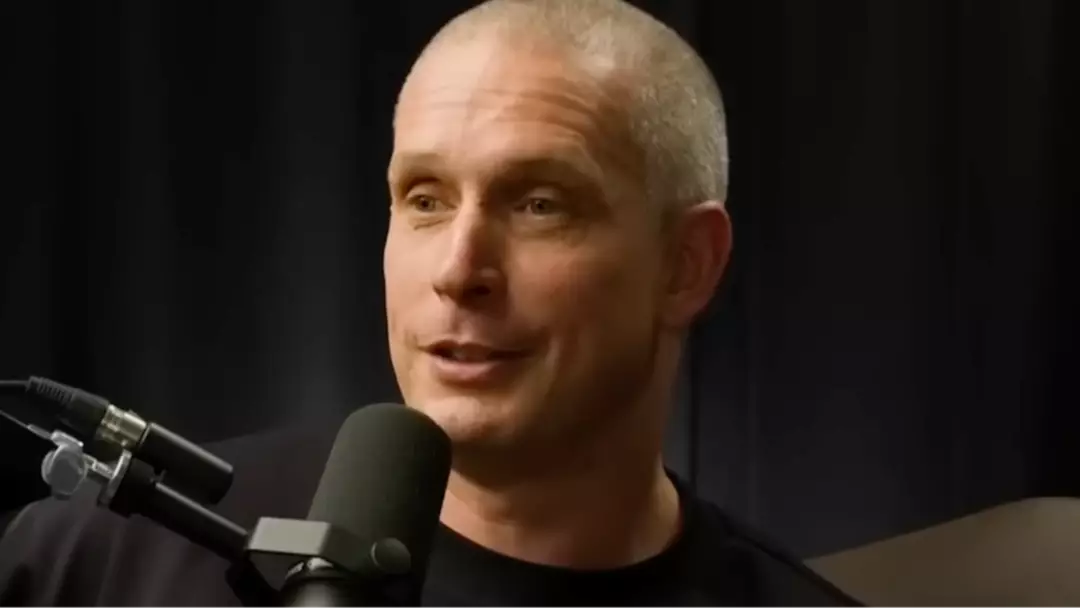
Numerous indicators can suggest that someone’s drinking is becoming dangerously excessive. For celebrity chef Andy Hearnden, also known as Andy Cooks, alcoholism is a significant concern within the culinary industry.
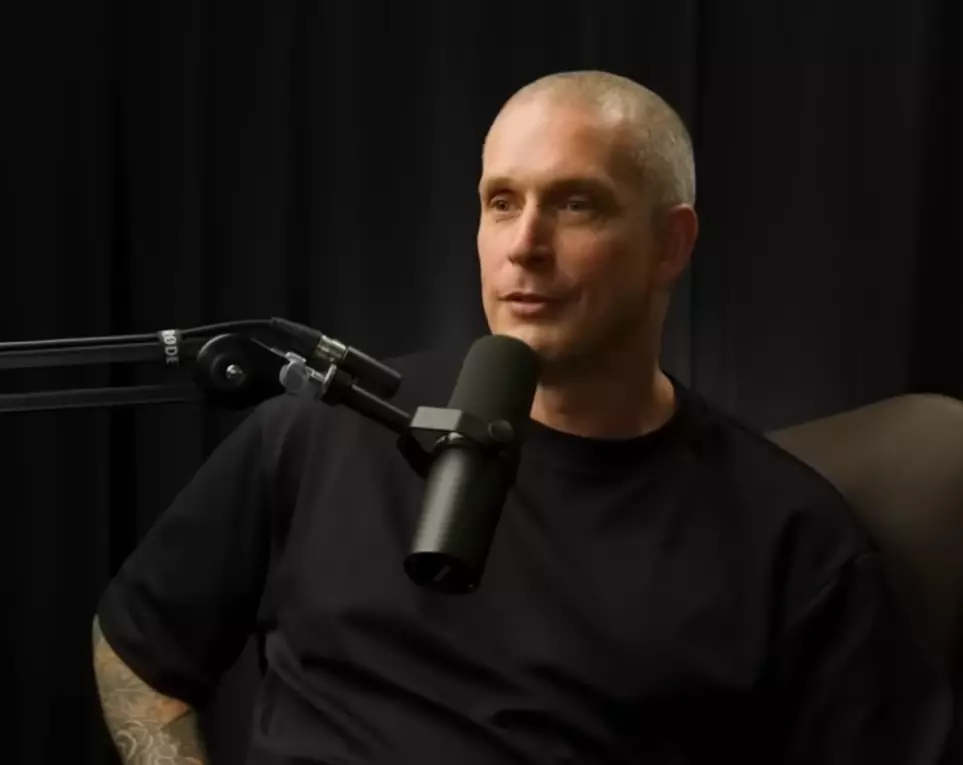
In a chat with Mark Bouris on the Straight Talk podcast earlier this year, Andy discussed how the high-pressure environment of the industry encourages a need to unwind and de-stress.
He explained: “There’s a reason that drug and alcohol abuse has [risen in] our industry and it’s because of those levels of, you know, stress, anxiety, and you come off a massive high, whether it’s a good high or a bad high, and your adrenaline’s pumping and you need something to calm you down.”
Andy then shared his personal battle with sobriety after 15 years of struggling with alcoholism and substance abuse.
His issues began at 16, with casual drinking escalating to consuming three bottles of wine each night, during work, and whenever the chance presented itself.
The turning point came when his behavior impacted his relationship, prompting him to recognize his addiction.
Andy remarked to Mark: “That’s what was that catalyst to me to go, okay, now it’s time to sort this out.”
He subsequently entered rehab, where he safely detoxed from alcohol, and has since recovered.
For Andy, mistreating his partner was the wake-up call. Conversely, former alcoholic Corey Warren identifies blacking out as a critical warning sign.
Corey expressed his views on TikTok, emphasizing that forgetting events indicates that drinking has surpassed casual levels.
“If you’ve ever blacked out, you probably think it’s because you drank too much,” he mentioned in his social media video.
“I used to think that blacking out was just a part of drinking, part of having fun, a part of the story I’d tell the next day.
“What I didn’t realise is that blacking out is not what happens when I drink too much one time. Blacking out is what happens when my tolerance is so high that I drink past my body’s limit and I don’t even realise it.”
He further elaborated: “And that’s not normal, that’s not fun. That’s my brain shutting down.”
If you’ve been affected by addiction and want to speak to someone in confidence, you can call American Addiction Centers on (888) 324-0595, available 24/7, or contact them through their website.