

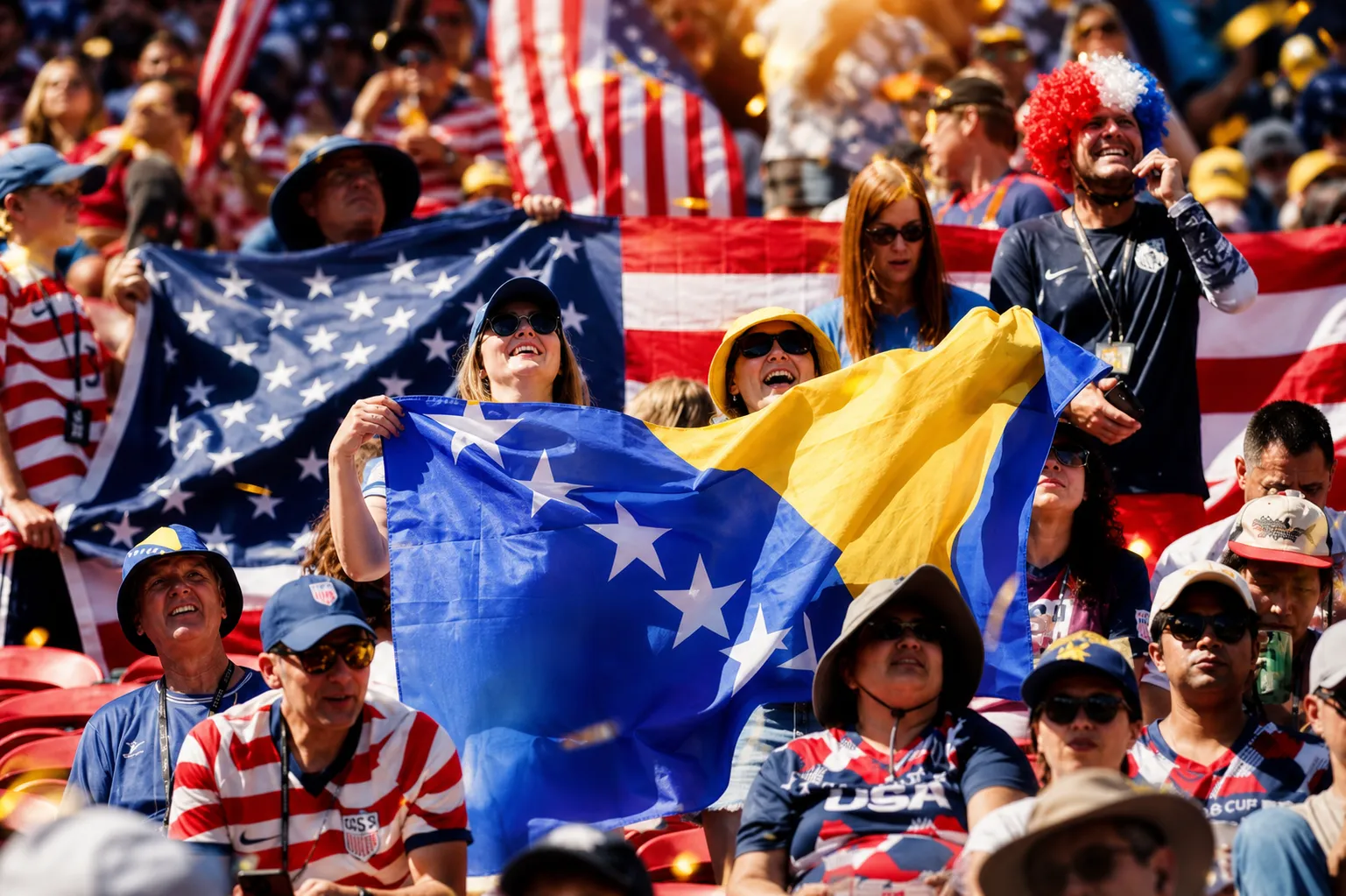
World Cup fans are suing StubHub after the ticket resale platform canceled orders worth thousands of dollars, leaving them unable to attend matches during the tournament taking place in the United States, Mexico and Canada. The proposed class-action lawsuit was filed late Tuesday in Manhattan federal court by two California residents who say they were left empty-handed despite purchasing World Cup tickets through the secondary marketplace.
Julia Reeker Moghal and Reuben Renteria, both from California, alleged in their complaint that StubHub engaged in “false and misleading” sales practices that violated the company’s own consumer protection guarantees. Moghal purchased three tickets for $1,905 to a June 18 Switzerland-Bosnia and Herzegovina match at SoFi Stadium in Inglewood, California, but never received them and never secured a refund. Renteria paid $2,294 for two tickets to a June 18 Mexico-South Korea match in Guadalajara, Mexico, and similarly never received his tickets. Both men were told their orders were ready before learning that StubHub had canceled them.
Moghal’s experience exemplifies the frustration facing thousands of World Cup fans. After receiving notice that her tickets were ready, she learned the platform had canceled her order. StubHub representatives then told her the tickets would be delivered an hour before the match, prompting her to drive to the stadium and wait in line. She never received them. Although promised a refund, she says the payment never came.
The lawsuit seeks at least $5 million in damages on behalf of hundreds or even thousands of World Cup fans who purchased tickets only to find out they “did not exist, were revoked without any forewarning, or had been erased.” The complaint accuses StubHub of misrepresenting its authority to sell World Cup tickets and failing to honor its FanProtect Guarantee, which the company claims provides replacement tickets or full refunds if anything goes wrong.

The broader complaint alleges that fans were deceived into purchasing World Cup tickets for substantial sums of money, only to incur tremendous financial losses from travel expenses, time off work and lodging costs they incurred based on their belief they had secured tickets. The lawsuit calls the situation “a new low for a sports ticketing industry that has been rampant with consumer protection issues time and time again to the detriment of the fans who make sports special.”
For weeks before the lawsuit was filed, frustrated fans flooded social media with complaints about tickets that never arrived from resellers, orders that were canceled at the last minute with little warning, and hours spent on hold trying to resolve disputes between FIFA’s ticketing system and outside resale platforms. Many ticket holders traveled long distances to attend matches, making ticket refunds of limited value when they still had to absorb airfare and lodging costs.
StubHub declined to comment on the pending litigation but defended its operations in a statement, saying its “singular goal is to get fans into events” and that the FanProtect Guarantee provides replacement tickets or a full refund if anything goes wrong. The company blamed FIFA for the ticketing mishaps, claiming the issues fans experienced were “largely driven by problems with the event organizer’s own ticketing infrastructure.”
FIFA disputed this explanation. In response to the allegations, the soccer federation said it “has no visibility over, or control of, secondary market ticket transactions carried out on third-party platforms” and rejected any suggestion that the problems resulted from its ticketing infrastructure. FIFA encourages fans to use its own official resale marketplace, which it says is the only channel through which it can guarantee delivery. That platform adds a 30 percent surcharge to every resold ticket, with 15 percent coming from both buyers and sellers.
At the center of the controversy is a practice known as “speculative ticketing,” in which resellers list tickets for sale before they actually own them, hoping to purchase them at lower prices closer to the event. Industry experts say this practice is at the root of many cancellations. One study found that speculative tickets account for approximately 10 percent of tickets available on some listings. While StubHub says it prohibits speculative ticketing and penalizes violators with fines and account suspensions, critics argue the platform relies on an honor system that sellers can easily circumvent.
The practice has been blamed for mass cancellation fiascos at other major events. Similar problems occurred when high-profile concert tours by Oasis and Olivia Rodrigo had thousands of tickets canceled after reaching list prices. Speculative ticketing is banned in only a handful of U.S. States, though some jurisdictions like Ontario have begun restricting it.
The lawsuit has prompted calls for government investigations. British Columbia’s attorney general announced an inquiry into StubHub’s handling of World Cup tickets, saying the situation is “deeply concerning.” Federal agencies including Canada’s Competition Bureau and the U.S. Federal Trade Commission declined to comment on whether they are investigating.
In addition to monetary damages, the plaintiffs are asking the court to bar StubHub from selling World Cup tickets and to order the company to give any profits from those sales to affected customers. The complaint brings claims under the Magnuson-Moss Warranty Act, California’s Unfair Competition Law, California’s Consumer Legal Remedies Act, California’s False Advertising Law and common-law conversion. The lawsuit seeks damages, restitution, disgorgement and injunctive relief, including attorneys’ fees.
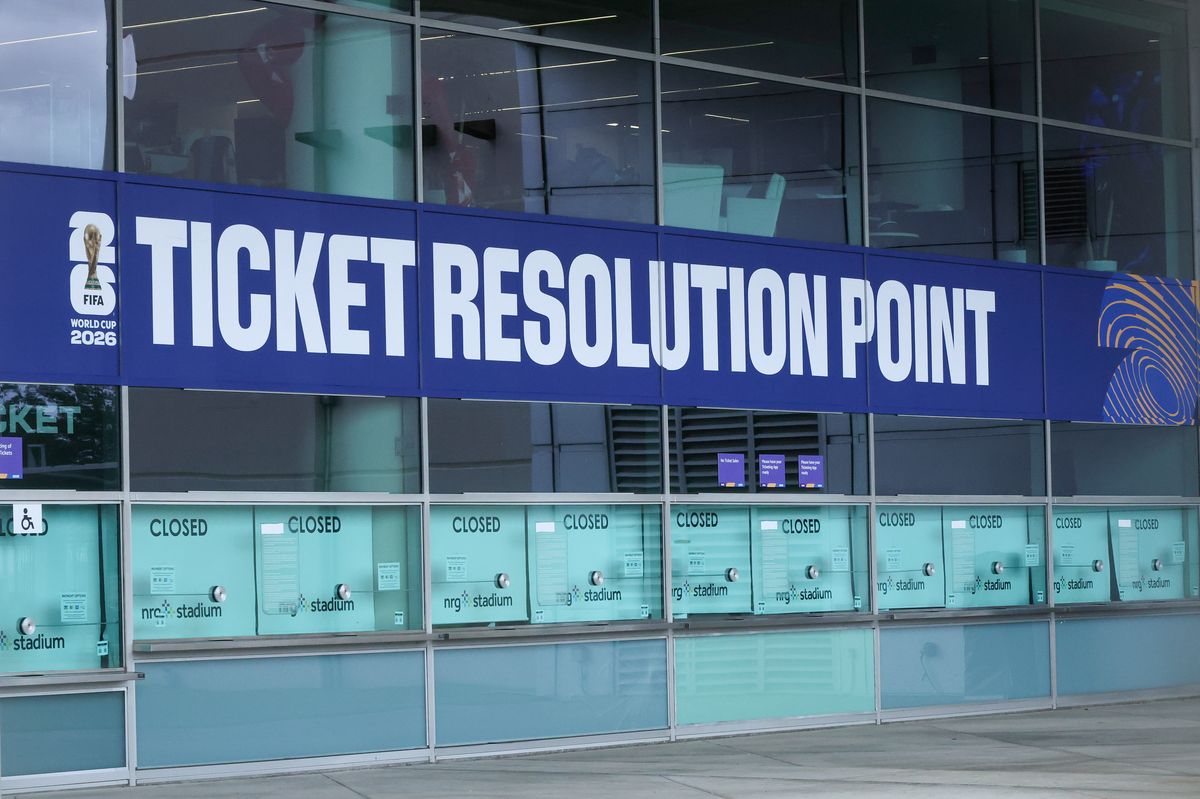
Fans have reported various scenarios playing out. Some received cancellation notices just hours before kickoff after traveling to host cities for matches. Others said StubHub initially promised replacement tickets under FanProtect before offering only refunds. Several found themselves caught between StubHub representatives and FIFA ticketing staff, each blaming the other while fans waited outside stadiums. While some cases appeared to involve technical transfer glitches between StubHub and FIFA’s mobile ticketing app, others involved sellers who never possessed the tickets they had listed for sale.
The World Cup ticket fiasco has left countless fans with shattered dreams of attending what many considered a once-in-a-lifetime event. Some fans spent months planning their trips, coordinating with family members and saving thousands of dollars for tickets and travel expenses, only to have their plans collapse at the last moment. For supporters traveling internationally to attend matches, the emotional toll has been compounded by the financial losses they absorbed.