

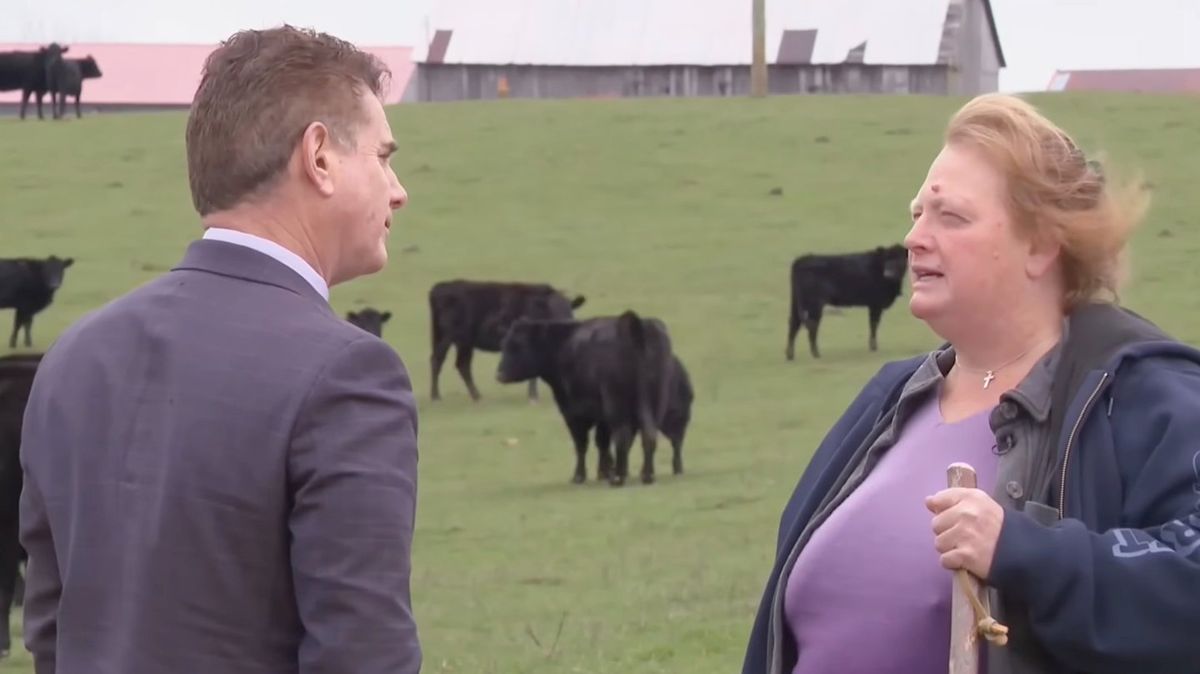
A Kentucky mother and daughter who reversed a $26 million land sale to an AI company have gone public with the blunt message that sent the deal packing for good.
Delsia Bare, 54, and her mother Ida Huddleston, 82, turned down a combined $26 million offer for their farmland near Maysville, Kentucky, after initially signing contracts out of fear of eminent domain, then discovering the buyer planned a 2.2-gigawatt hyperscale data center on ground their family has farmed for 200 years. Bare fired off a six-word dismissal to the company’s representative once the cancellation cleared: “Kick rocks and don’t come back.”
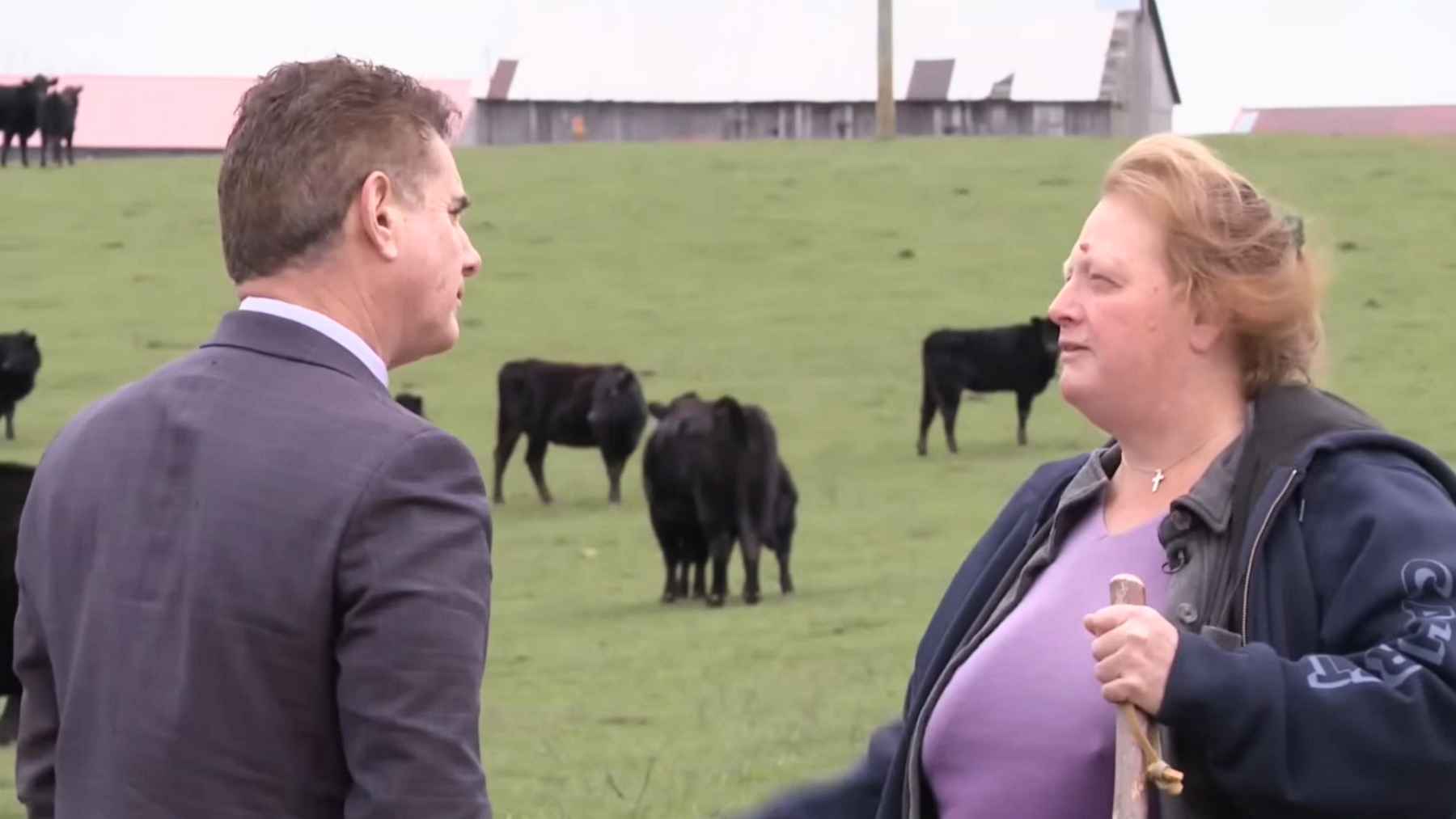
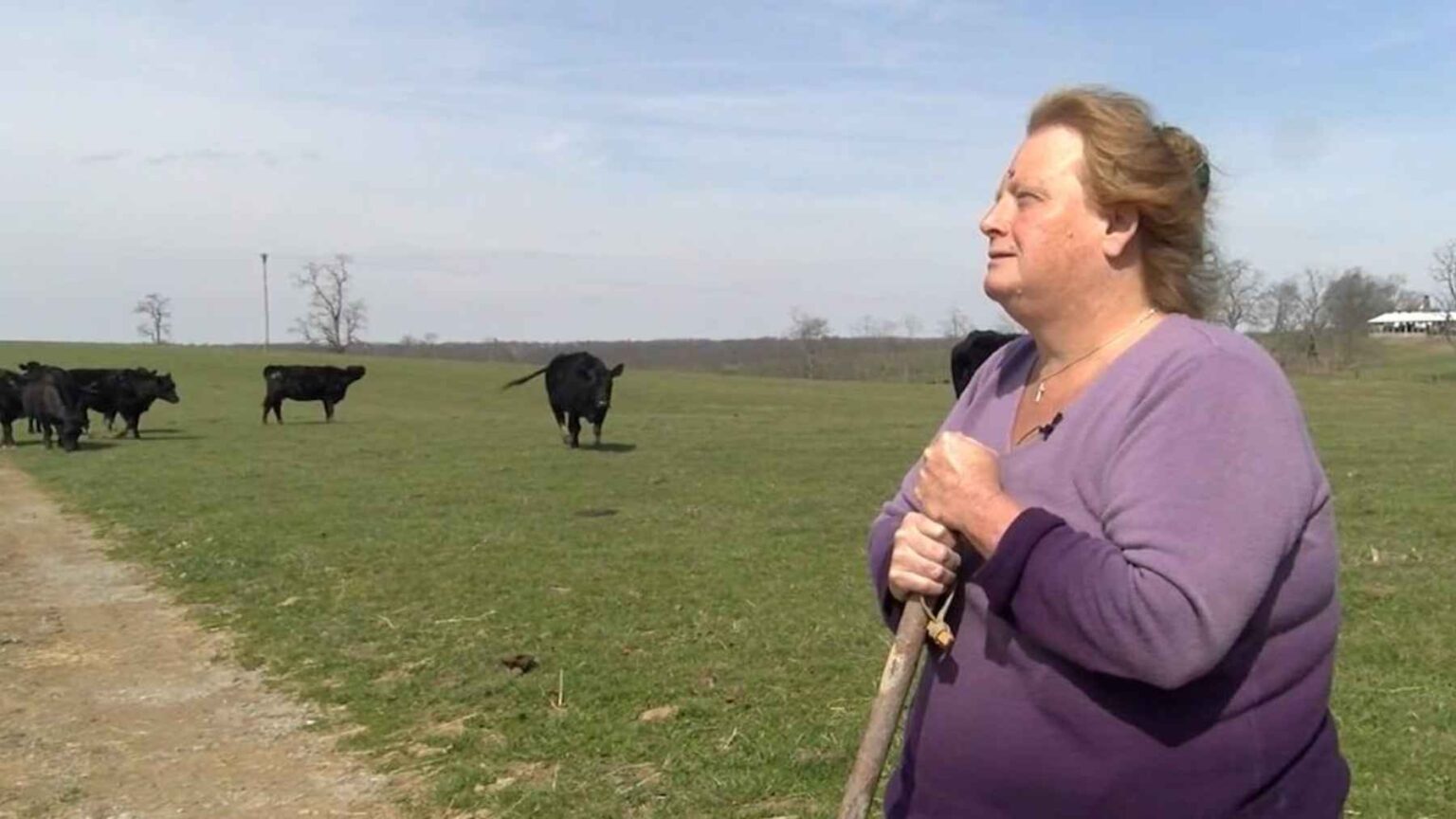
The numbers were staggering by any rural standard. The unnamed Fortune 100 tech company offered Bare $48,000 per acre for her 463-acre farm and Huddleston $60,000 per acre for her 71-acre property, roughly ten times the local market rate of about $4,600 to $6,000 an acre. For context, the total package topped $26 million for just over 500 acres of the family’s 1,200-acre holding in Mason County.
Bare said the family had already lost land to government takings before — once for a public highway, twice more for landfill — so when a realtor representing the undisclosed buyer warned they might face a 30-acre substation through eminent domain if they refused, they panicked. “We got scared and signed their blasted contract,” Bare said. But the next day, Huddleston confessed she could not leave her home or her flower beds. Bare’s response was immediate: “That’s easy enough. I’ll just call the realtor and tell him I’m not selling.”
Huddleston, a grandmother of three who moved onto the land as a 17-year-old newlywed more than 60 years ago, has never wavered since. “Money couldn’t move what all I’ve got put in place here, so I just might as well stay and fight it out right where I’m at,” she said from the log home she and her late husband built together. Her husband, William Robert “Bill” Huddleston, is buried behind the house in a cemetery dating to 1638. Before he died in 2013, he made sure the property would be divided among Huddleston, Bare, and their son William Robert “Bob” Huddleston, 64, who also lives on the land and opposes the sale.
The family’s resistance is rooted in both practical and spiritual convictions. “What I believe in is something called Jesus Christ, and he said to occupy, wherever you’re standing, you occupy until he returns,” Bare told the Wall Street Journal. “If I step off of this piece of property and it becomes something for an AI hub, then I have failed to occupy and I can be held accountable for that on the Judgment hour.”
Huddleston has been equally direct about the environmental stakes. “They call us old stupid farmers, you know, but we’re not,” she told WKRC-TV. “We know whenever our food is disappearing, our lands are disappearing, and we don’t have any water—and that poison. Well, we know we’ve had it,” She told LEX18, “I don’t want your money, I don’t need your money,” adding flatly, “I’m staying put.”
Bare, who suffers from detached retinas and had a bad fall linked to heart medication, told the Wall Street Journal she “never thought I’d be in a battle with a data center,” adding, “I thought I was about as far out in the boondocks as you could get.” To WKRC, she framed the family’s purpose in starker terms: “Stay and hold and feed a nation. $26 million doesn’t mean anything.”
Bare and Huddleston revealed they had already accepted the premium offers before learning the buyer’s true purpose. The revelation that their soil — which sustained the family through the Great Depression when they grew wheat for bread lines — would be paved over for server farms flipped their stance overnight. Local activist Janet Garrison said the farmers were initially threatened with eminent domain and a substation “right in your front yard.” The reversal made them instant symbols of rural resistance to the AI land rush.
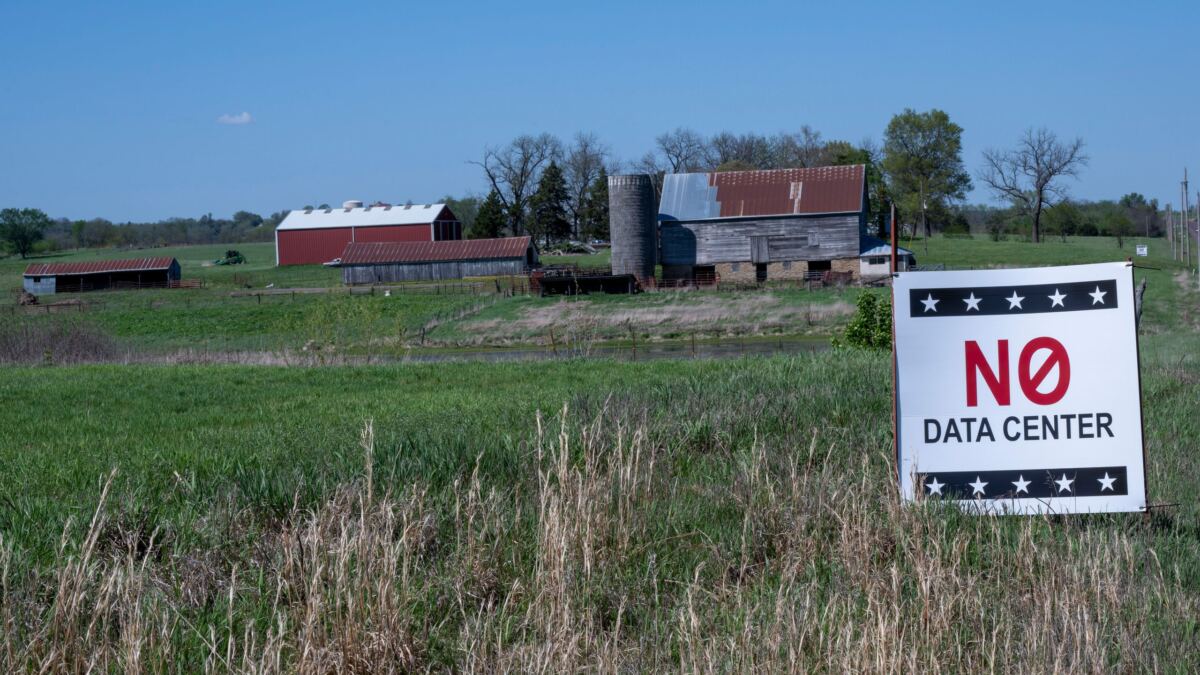
The data center fight is far from settled for their neighbors. Mason County officials have approved rezoning for roughly 2,080 acres across 28 properties, and some surrounding landowners reportedly accepted similar offers. A grassroots group called “We Are Mason County” has filed a lawsuit challenging whether the county’s zoning framework legally supports data centers. Planning and Zoning Administrator George Larger said the development plan cleared the planning commission and now heads to the Mason County Fiscal Court for final approval. The company’s identity remains shielded by non-disclosure agreements until that process concludes.
Huddleston intends to see it through from her living room. “Even if I had $26 million I’d want to sit here in my chair, and have my coffee and eat my food where I always do,” she told the Wall Street Journal.
The Mason County Fiscal Court is expected to vote on the data center development plan in coming weeks.