

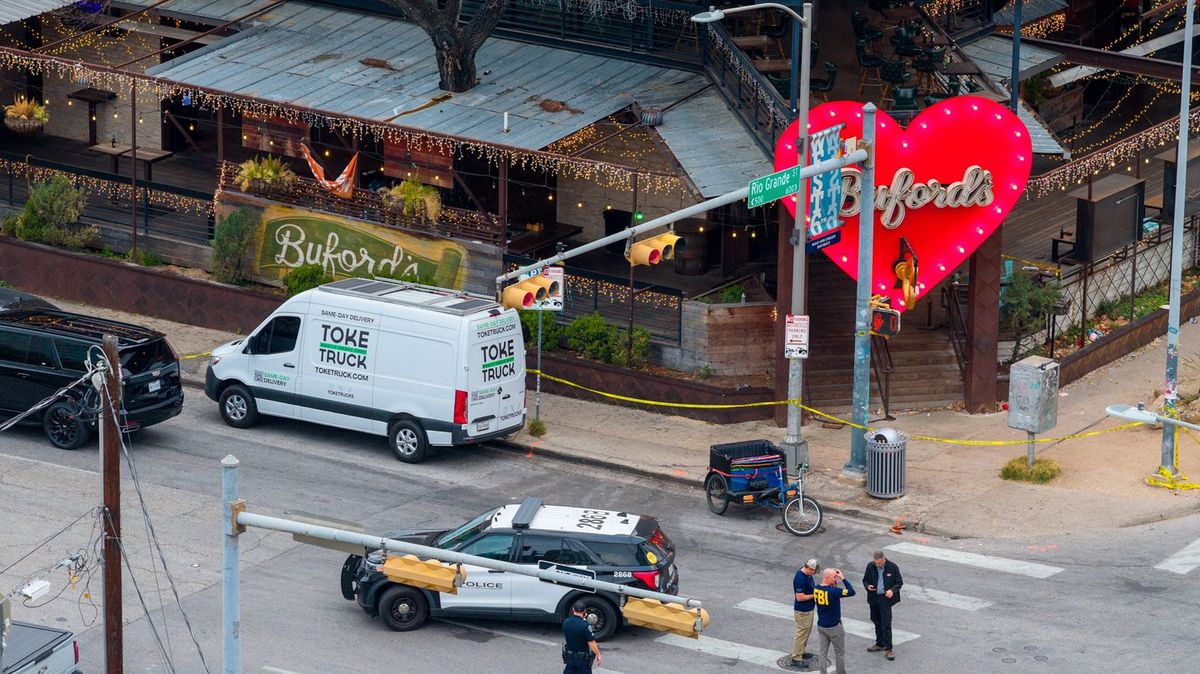
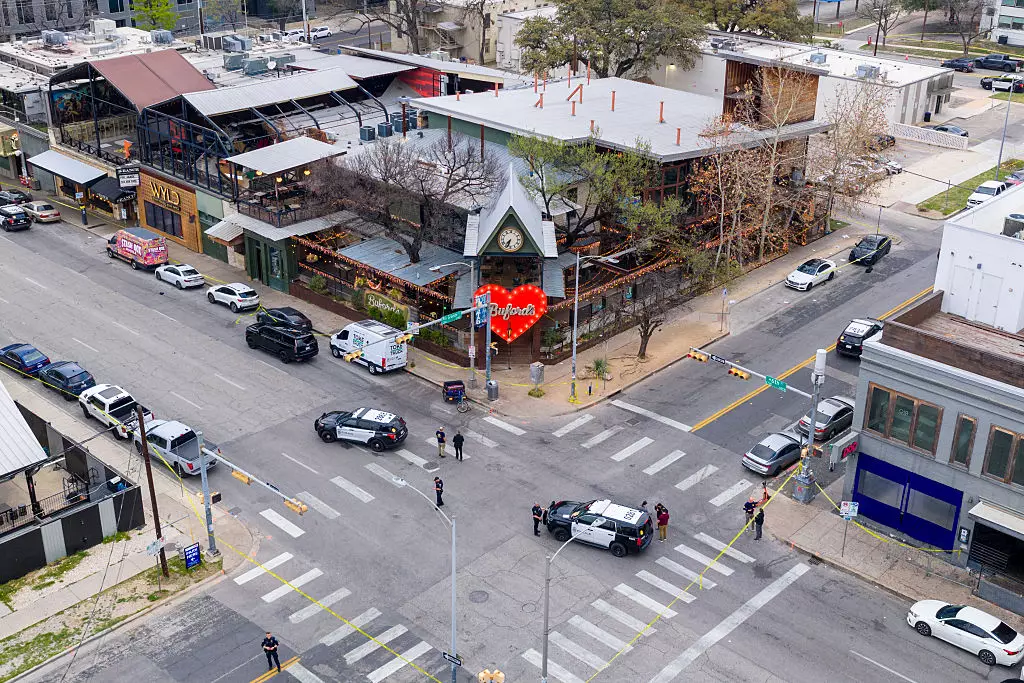
The FBI is investigating after a deadly shooting in Austin, Texas, left two people dead and 14 others injured.
Police responded to reports of an active shooter at around 2am on Sunday (March 1) at Buford’s bar in the state capital.
The suspect, named as 53-year-old Ndiaga Diagne, was shot dead by officers at the scene, taking the total number of deaths to three, according to CBS News.
Sources cited by the outlet said the gunman was seen circling the area in an SUV before allegedly firing from the vehicle’s window toward people seated in an outdoor bar area. He then reportedly exited the SUV and continued shooting as he moved along the street.
Diagne, a naturalized US citizen originally from Senegal, was reportedly wearing a hoodie that read ‘propety of Allah’ over a shirt displaying the Iranian flag, the Washington Post reported.
A Quran was also discovered inside his SUV.
Alex Doran, the acting head of the FBI’s San Antonio field office, told reporters on Sunday: “Obviously, it’s still way too early in the process to determine the exact motivation.
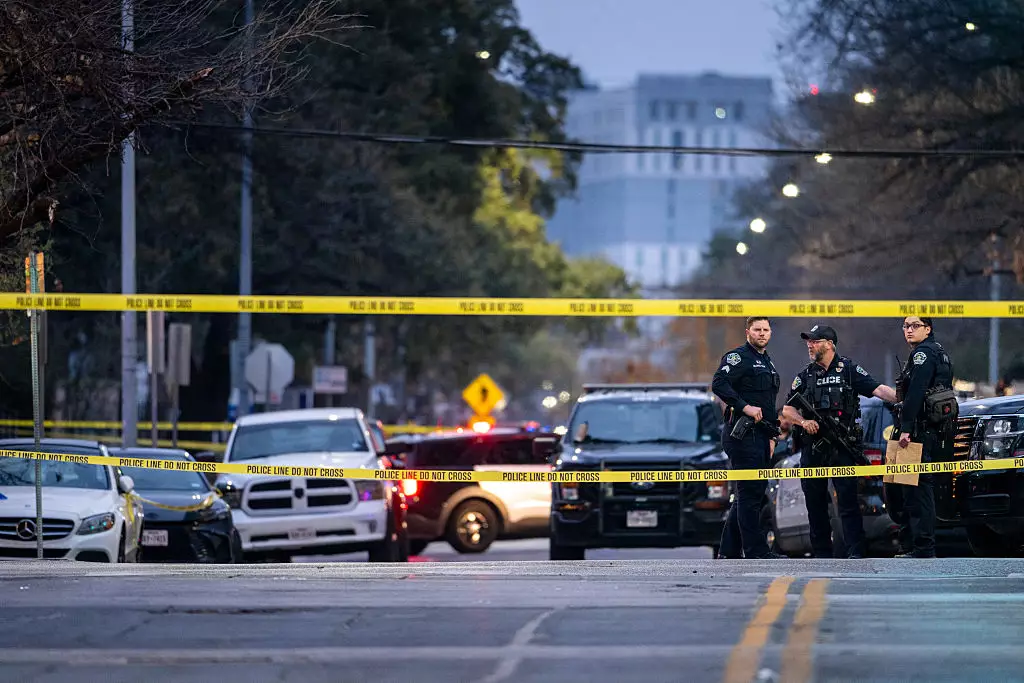
“But there were indicators on the subject and in his vehicle that indicate a potential nexus to terrorism.”
Authorities do not currently suspect Diagne had ties to any organizations linked to the Iranian government, the Washington Post added.
Officials also stressed that the investigation is still in its early phases and that details may shift as more information is confirmed.
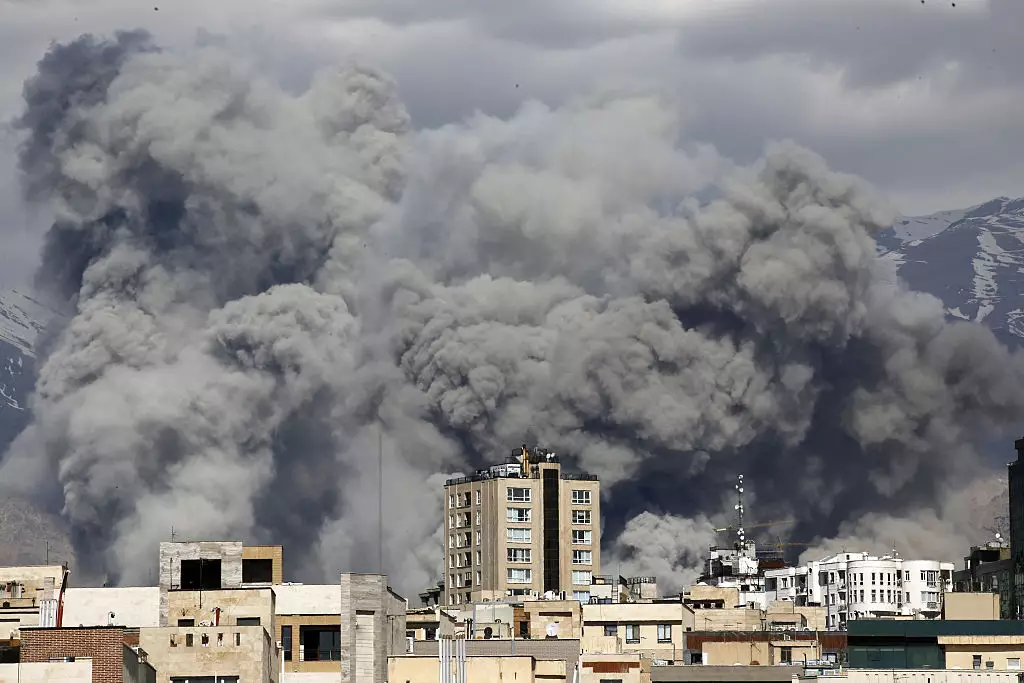
The shooting comes amid heightened tensions overseas, after Iran’s ambassador issued a pointed comment toward the US during a contentious United Nations meeting in New York, following reports that American forces bombed multiple cities across Iran.
The US and Israel launched coordinated strikes on February 28, with Iran’s supreme leader Ayatollah Ali Khamenei reportedly killed in the bombardment.
In response, Iran has launched missile and drone attacks aimed at several Middle Eastern countries and has attempted strikes on US military bases in the region.
Khamenei had led Iran since 1989, assuming power after the death of Ruhollah Khomeini, who guided the Shia Islamist movement to victory following the 1979 uprising.
Iran has since been plunged into political uncertainty after the death of its long-time leader, while critics of Donald Trump in the US have condemned the decision to carry out the strikes.
During an emergency UN session, Iran’s representative directed sharp words toward the American delegation.
Iranian ambassador Amir Saeid Iravani told the chamber: “I have one word only. I advise the representative of the United States to be polite.”
He added, “It will be better for yourself and the country you represent. Thank you.”
US ambassador Mike Walz responded: “Frankly, I’m not going to dignify this with another response.
“Especially as this representative sits here, in this body, representing a regime that has killed tens of thousands of its own people and imprisoned many more simply for wanting freedom from your tyranny.”
Iravani condemned the US and Israeli strikes, stating: “This morning, the United States regime – jointly and in coordination with the Israeli regime – initiated an unprovoked and premeditated aggression against the Islamic Republic of Iran for the second time in recent months.
“This is not only an act of aggression; it is a war crime and a crime against humanity.
“The invocation of a ‘preemptive attack’, claims of imminent threat, or other unsubstantiated political claims are unfounded legally, morally and politically.”
The reported strikes followed negotiations between Washington and Tehran on Iran’s nuclear programme that ended without an agreement.
Trump had previously warned military action could follow if talks failed, and has since threatened additional strikes if Iran intensifies its response.