

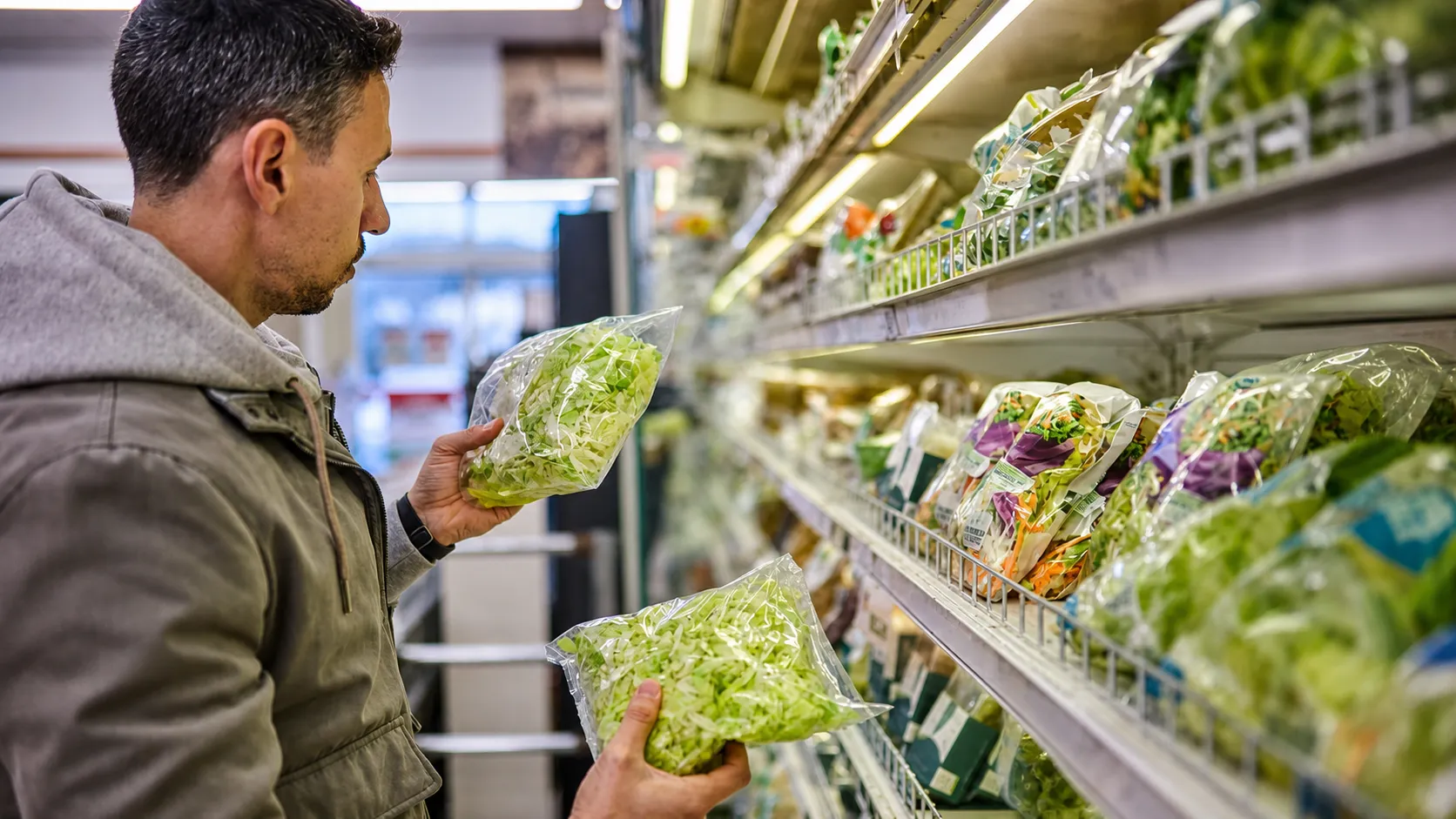
With the parasite behind the recent surge in “explosive diarrhea” cases continuing to affect people across the US, plenty of shoppers are rethinking whether they want lettuce anywhere near their plates. Still, food safety specialists say avoiding it entirely may not be necessary.
Since May 1, the CDC has logged more than 4,100 laboratory-confirmed cases of cyclosporiasis nationwide, and that count has continued to climb as investigators sort through multiple outbreaks this summer. The largest active outbreak now spans nine states and has been linked by federal officials to iceberg lettuce sourced from central Mexico and recalled by Taylor Farms de Mexico.
As of the FDA’s latest update on July 24, the outbreak tied to Taco Bell exposure involved 1,947 reported illnesses across Illinois, Indiana, Kansas, Kentucky, Michigan, Ohio, Oklahoma, Pennsylvania and West Virginia, with at least 98 hospitalizations and no deaths. Officials said the increase in cases was expected because it can take weeks to confirm whether someone belongs to the outbreak.
Taco Bell has pulled lettuce from certain locations, and Taylor Farms de Mexico, which supplies lettuce to the chain, also announced a voluntary recall of iceberg lettuce. The FDA later said that a lettuce sample from Taylor Farms, previously believed to contain Cyclospora, was actually a false positive, but officials said the traceback data and illness patterns still support the recall.
Regulators are also looking into another Cyclospora outbreak linked to 72 patients. So far, the specific products involved have not been named.
At this stage, the FDA has not advised Americans to stop eating lettuce altogether. Some experts say there are ways to reduce the risk while still keeping it in your diet.
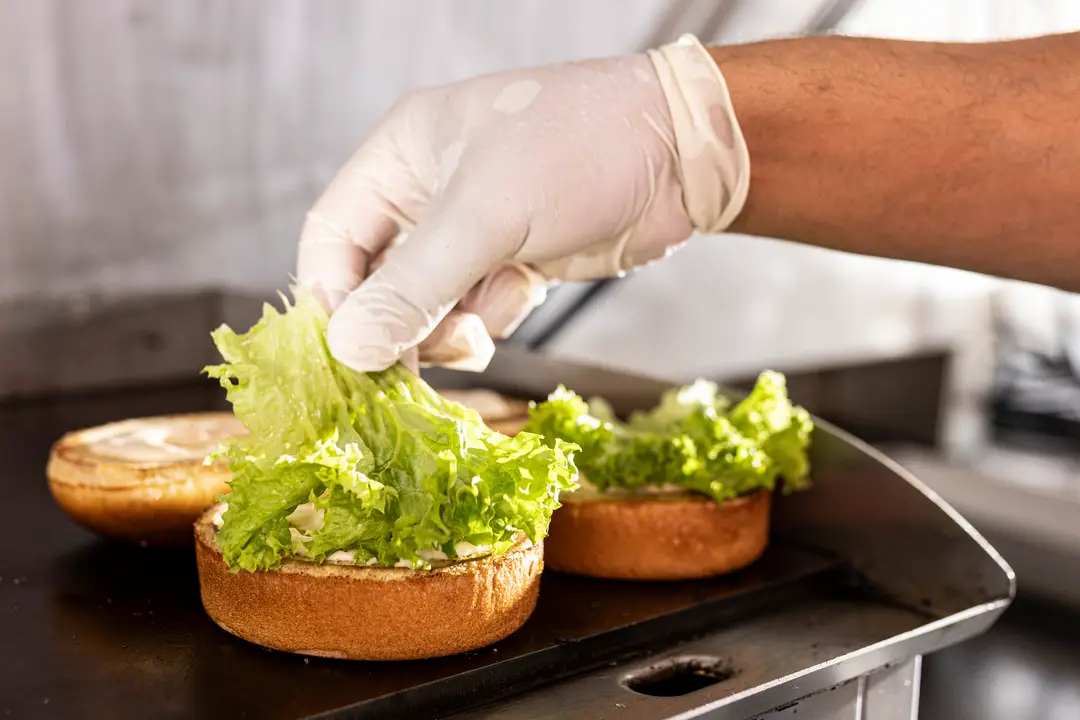
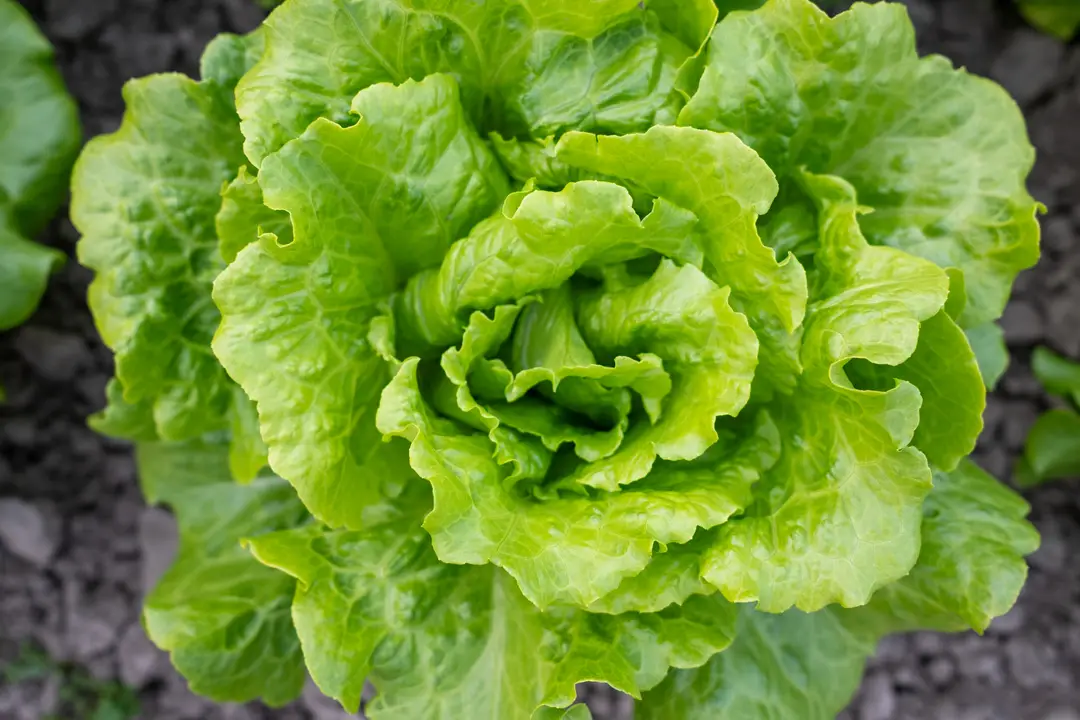
“In my opinion I think it is relatively low risk to purchase head lettuce and remove the outer leaves and then consume the inside leaves,” food microbiologist Kniel said.
Paul Sellew, founder and CEO of Little Leaf Farms, also spoke about produce grown in controlled settings.
‘Little Leaf Farms and other Controlled Environment Agriculture (CEA) brands are the safest choice during an outbreak’.
CEA lettuce is produced indoors or in protected environments like advanced greenhouses rather than in open fields.
Sellew said these facilities tightly manage growing conditions.
‘temperature, humidity, light, carbon dioxide and nutrients are carefully regulated’.
He also said the lettuce is
‘grown without pesticides’.
Cyclospora is spread through food or water that has been contaminated with feces.
Sellew added that greenhouse water supplies are treated before use.
‘is disinfected via UV sterilization prior to entering their greenhouses’.
Several specialists have stressed that consumers do not necessarily need to
‘cut out lettuce altogether’.
Barbara Kowalcyk, director of the Institute of Food Safety and Nutrition Security at George Washington University, told Time that people should
‘think about their own level of risk’.
Those at greater risk include young children, pregnant women, older adults and anyone with a weakened immune system.
For everyone else, the decision comes down to personal comfort and how cautious they want to be right now.
People are still being encouraged to wash fruit and vegetables, although experts note that washing alone may not fully remove the parasite.
What specialists have made clear is that
‘heat kills Cyclospora’
Which is why thoroughly cooking produce is being recommended where possible.
FDA guidance also recommends discarding outer layers of leafy greens when possible, rinsing produce under clean running water and not using soap or bleach on fruits and vegetables. Because Cyclospora can be difficult to remove from raw produce, public health officials say the safest approach during an outbreak is to avoid recalled products and follow the latest FDA and CDC advisories.