


The FDA has announced an urgent health alert and recall involving certain batches of cream cheese, warning shoppers that the affected products may pose a serious health risk.
The notice is classified as a Class I recall — the agency’s most severe level.
According to the FDA, a class I is issued when ‘there is a reasonable probability that the use of or exposure to a violative product will cause serious adverse health consequences or death’.
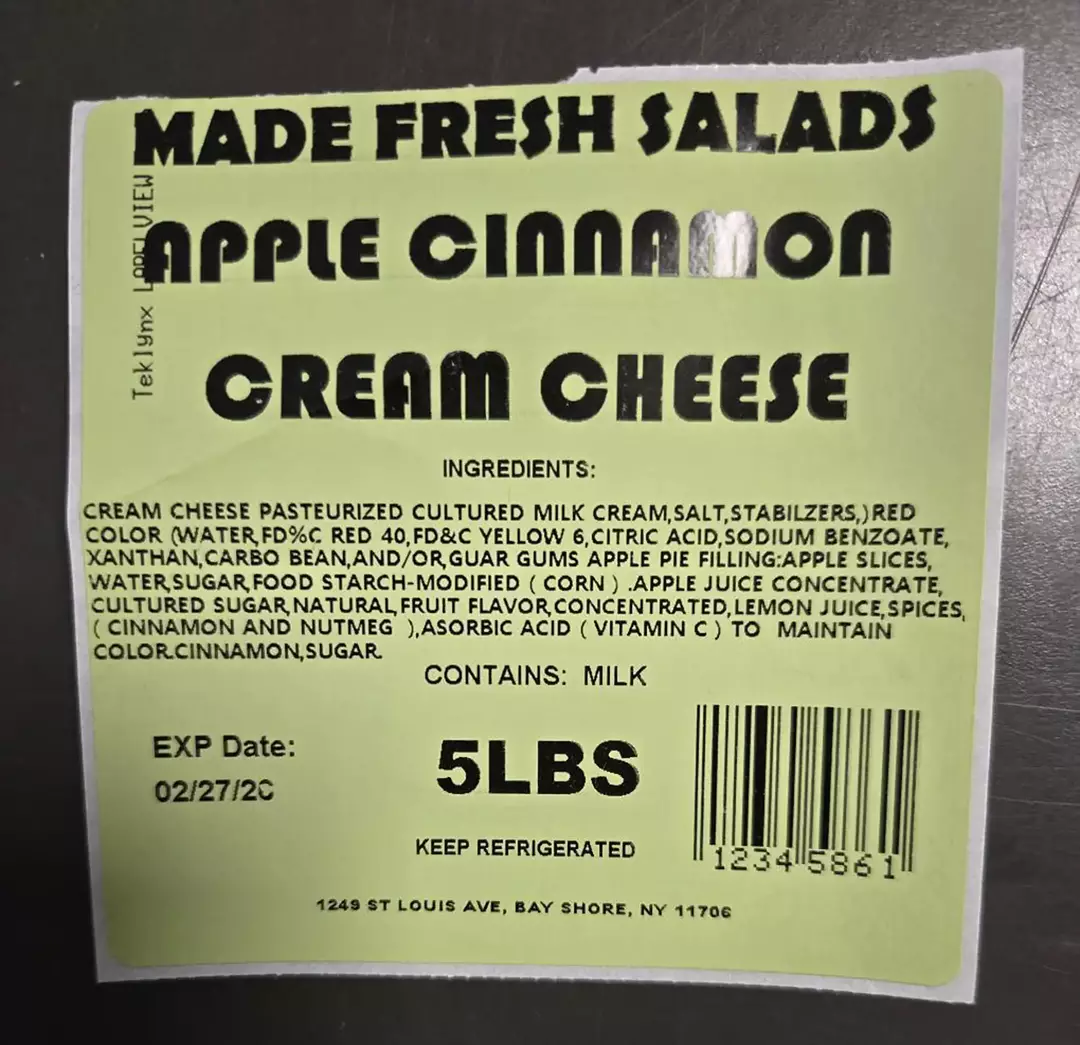
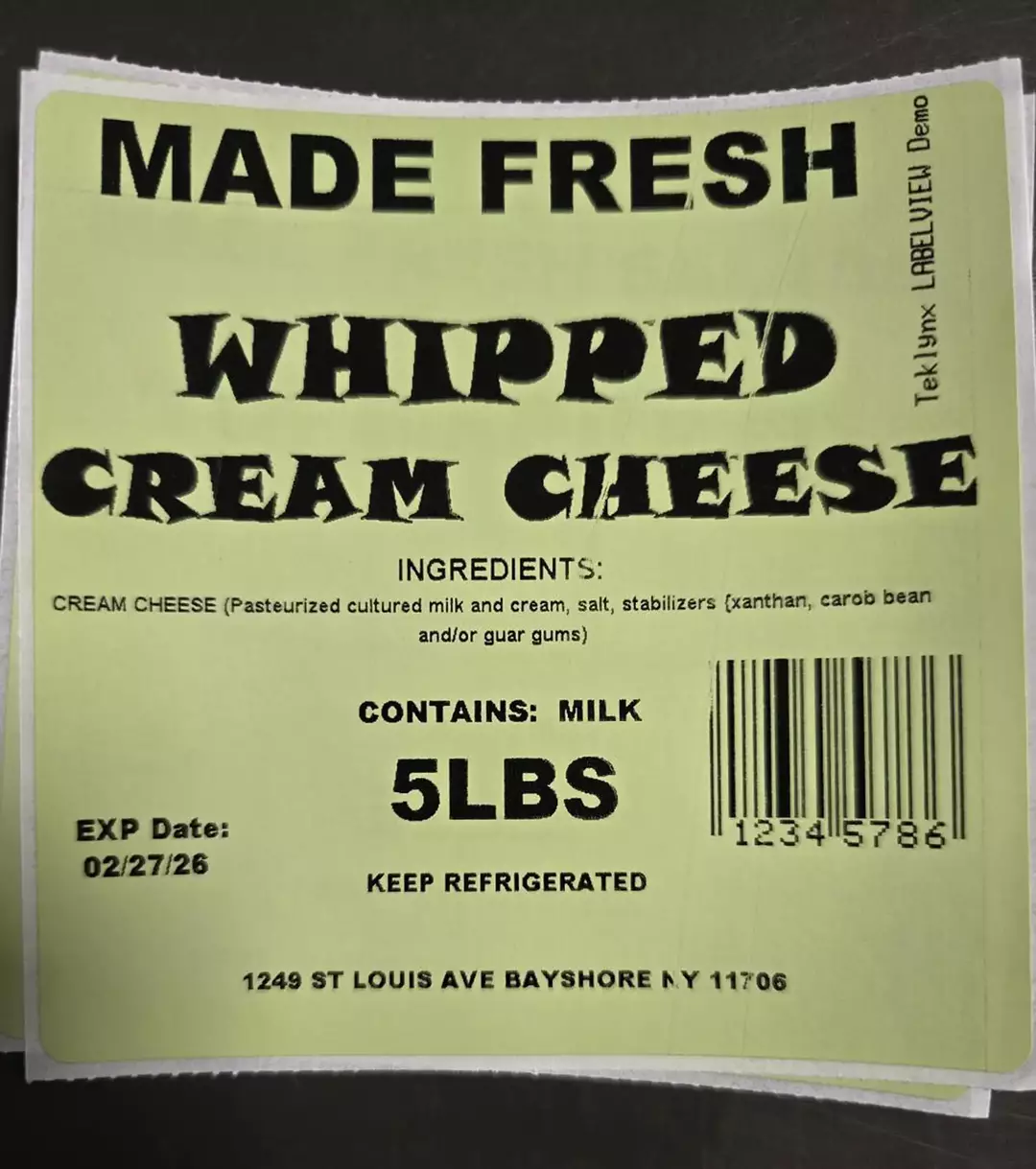
The recall covers multiple varieties of Made Fresh Salads cream cheese products.
An initial recall was issued on February 20 after officials said the items could potentially be contaminated with Listeria monocytogenes, according to a Newsweek report citing the FDA.
For people with weakened immune systems, exposure can result in severe — and in some cases fatal — infections.
The FDA later raised the action to a higher level on March 11.
The products impacted are sold in 5lb white plastic tubs featuring a Made Fresh Salads label.
Regulators said the tubs were distributed to retailers and distributors in the Brooklyn, Queens, Bronx, and New York City areas.
The affected items include products with expiration dates up to February 27.
Flavours listed in the recall include: Apple Cinnamon Cream Cheese, Caramel Cream Cheese, Blueberry Cream Cheese, Garlic & Herb Cream Cheese, Jalapeño Cream Cheese, Jalapeño Cheddar Cream Cheese, Lox Cream Cheese, Scallion Cream Cheese, Strawberry Cream Cheese, Sundried Tomato Cream Cheese, Vegetable Cream Cheese, Walnut Raisin Cream Cheese, Whipped Cream Cheese, and Tofu Whipped.
The FDA said the recall followed routine sampling.
The investigation suggested the food may have been exposed after officials ‘revealed that a part of the mixer used to manufacture finished products’ was contaminated with listeria bacteria.
FDA updates added that Made Fresh Salads has removed the mixer from service and it is no longer being used in production.
Listeria infection can cause symptoms including headache, nausea, diarrhoea, tiredness, and muscle or joint pain, with signs often appearing around a couple of weeks after exposure.
Although some people may only experience mild illness, the infection can be much more dangerous for those with compromised immune systems.
In severe cases, it may lead to complications such as sepsis, pneumonia, or inflammation affecting the brain and spinal chord, according to Cleveland Clinic.
The illness does not spread from person to person, but is typically contracted through contaminated foods — including dairy products.