

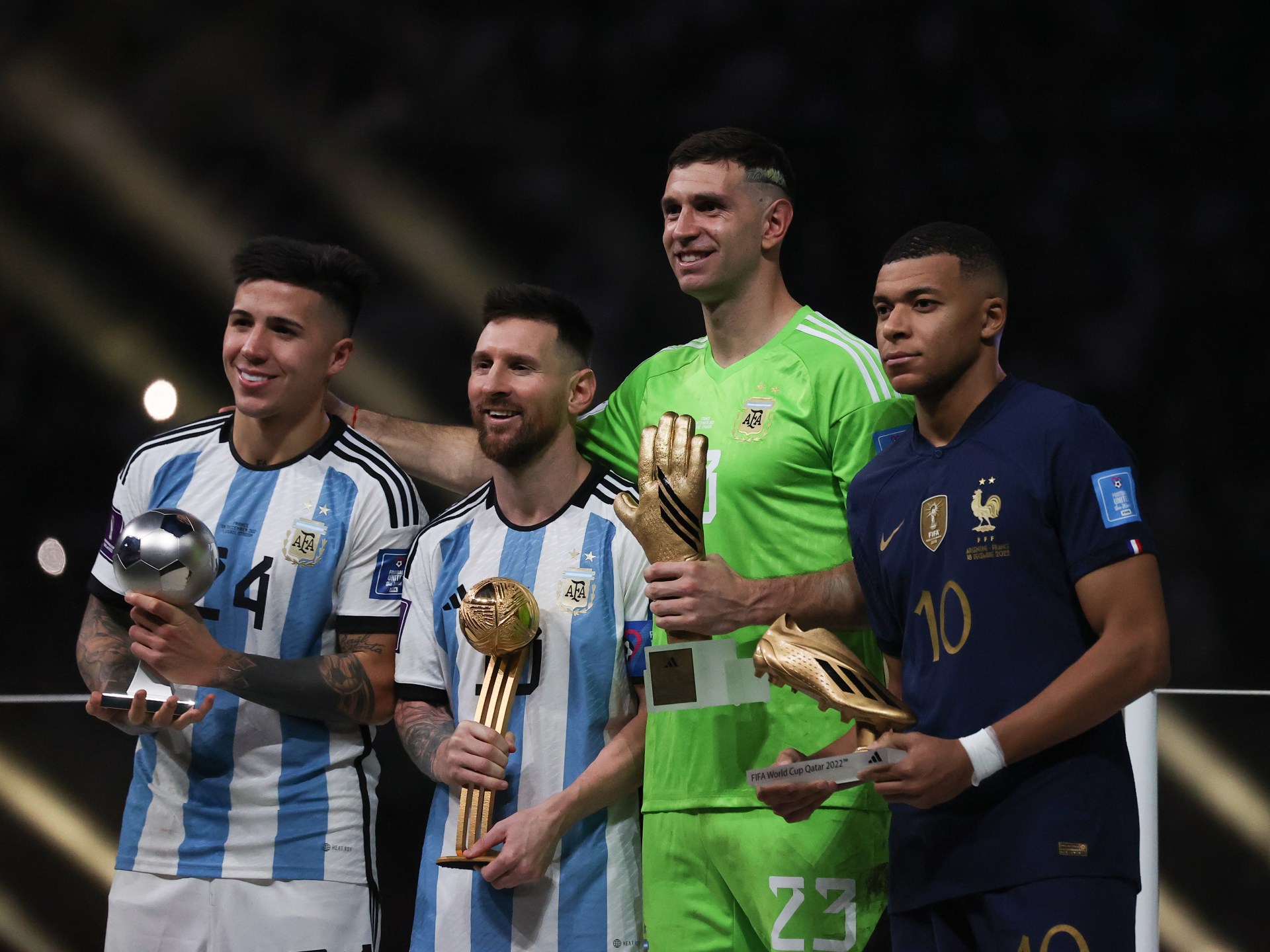
Spain won the 2026 FIFA World Cup on Sunday with a dramatic 1-0 extra-time victory over Argentina at MetLife Stadium in New Jersey, but the match’s conclusion was marred by violent confrontations between players that have now triggered a formal FIFA investigation. The ugly scenes on the field were compounded by Argentina’s refusal to acknowledge Spain’s championship during the medal ceremony, turning their backs as the newly crowned champions lifted the trophy.
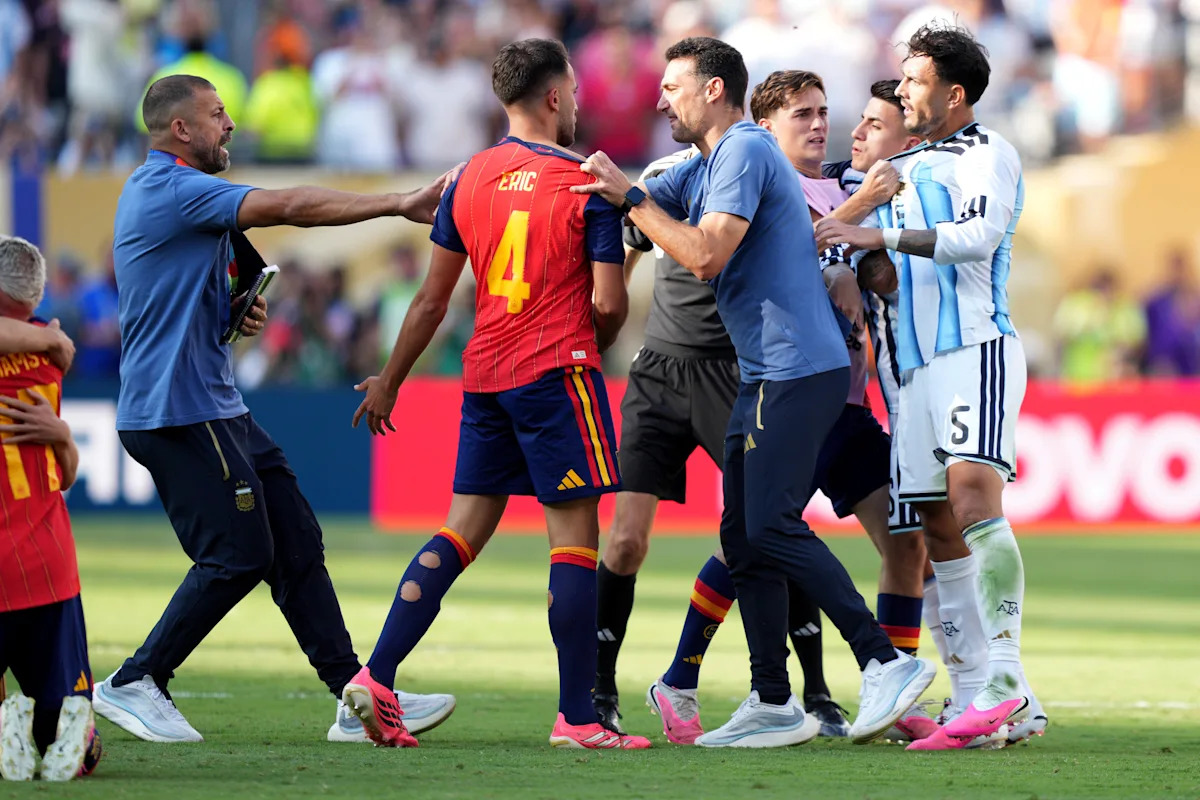
Ferran Torres scored the decisive goal in the 106th minute to secure Spain’s second World Cup title in their history and deny Argentina a second consecutive championship. The victory marked a triumphant moment for Spain, but celebrations quickly dissolved into chaos as both teams clashed on the pitch moments after the final whistle.
FIFA opened a disciplinary investigation on Monday, appointing a Disciplinary and Ethics Prosecutor to examine the post-match incidents and determine whether there were breaches of the FIFA Disciplinary Code. The investigation will focus on violent conduct by players and coaching staff, unsportsmanlike behavior during the medal ceremony, and the display of political messages.
At the center of the post-match brawl was Argentina midfielder Leandro Paredes, who appeared to grab Spain defender Eric García by the throat and subsequently shoved Spain midfielder Gavi to the ground. Argentina defender Nahuel Molina was also involved, striking Spain captain Rodri in the stomach as he ran past to celebrate. Argentina assistant coach Roberto Ayala allegedly swung at Spain midfielder Dani Olmo during the melee. While Paredes received a red card for his actions after the match, no disciplinary action was taken against any players during the game itself.
Argentina head coach Lionel Scaloni and other players attempted to deescalate the situation, but the damage to the team’s image was already done. The physical confrontations represented just one aspect of Argentina’s poor sportsmanship that day. More notable was the team’s conduct during the medal ceremony, when Argentina players deliberately turned their backs on Spain as the champions lifted the trophy and collected their gold medals.
Spain had formed a guard of honor for Argentina as the runners-up collected their silver medals, a traditional gesture of respect between finalists. Argentina chose not to reciprocate. Instead, with Lionel Messi visibly emotional following the defeat, the Argentine squad walked toward the opposite side of the pitch, standing with their backs to the podium as Spain lifted the World Cup. The deliberate display of disrespect drew sharp criticism from commentators and analysts worldwide.
The incidents have not sat well with football observers. Television commentators Gary Neville and Alan Shearer condemned Argentina’s conduct, calling the post-match scenes disgraceful. Former England international Joe Hart described the behavior as disgusting, though he noted that Messi himself had shown class by shaking hands with Spanish players immediately after the match.
The investigation will be conducted through a comprehensive review of referee reports, official match documentation, and video footage. FIFA said it will determine whether any sanctions are warranted, though the governing body has not provided a timeline for when findings will be announced. Potential consequences could include match suspensions for individual players, hefty fines for the Argentine Football Association, or restrictions on future hosting of official matches.
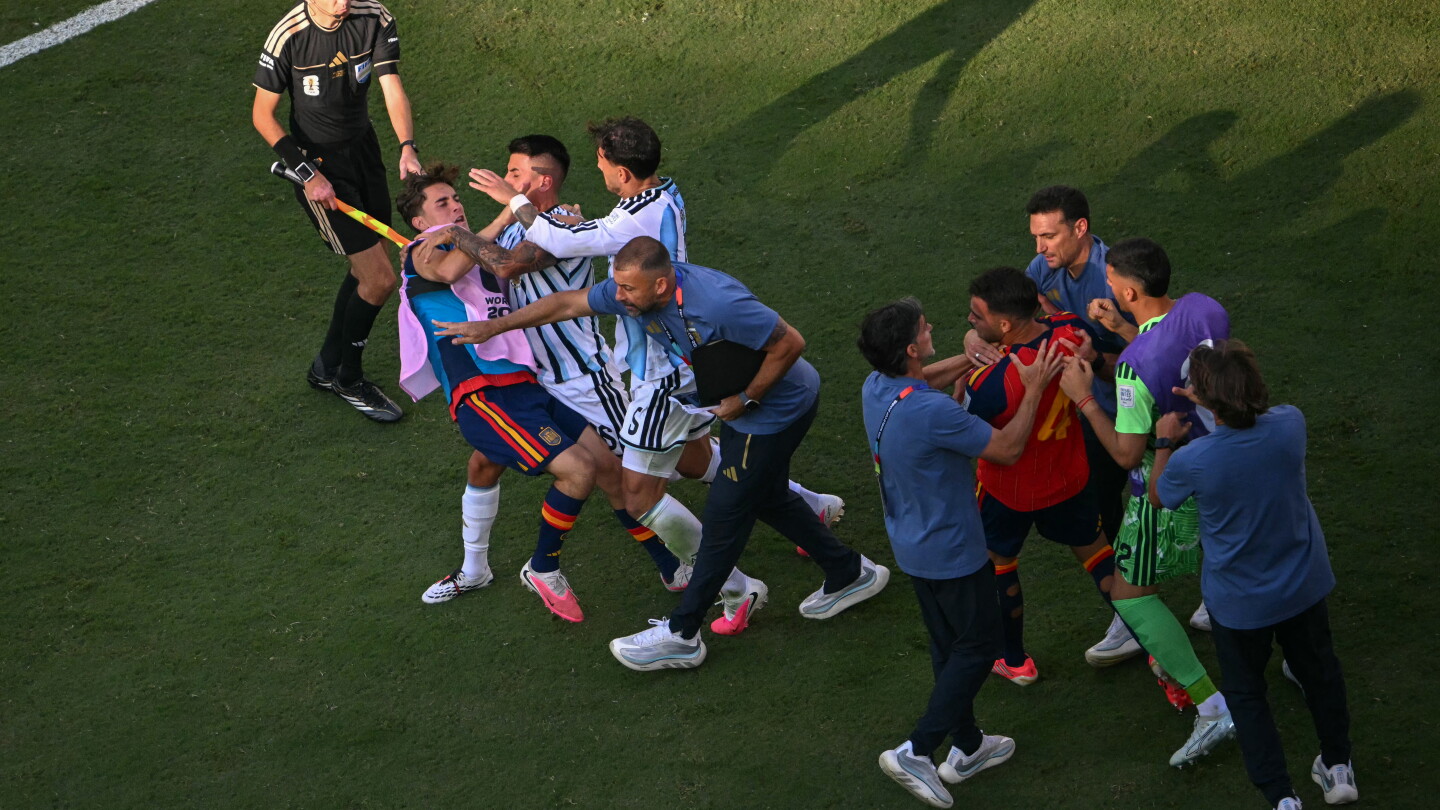
Under FIFA’s Disciplinary Code, players dismissed for violent conduct typically receive bans of at least three matches. The organization also has authority to issue retrospective sanctions based on video evidence of misconduct that went unpunished during play. This means players like Molina, who escaped a red card on the field, could still face disciplinary action if FIFA’s investigation determines their conduct warrants additional punishment.
This is not the first time Argentina has faced FIFA disciplinary action during this tournament. The team is also under investigation for displaying a political banner during their semifinal victory over England that read “Las Malvinas son Argentinas,” asserting Argentina’s claim over the Falkland Islands. FIFA’s stadium code of conduct prohibits the display of political messages.
Argentina’s tumultuous exit from the World Cup came as the team concluded a tournament that included multiple disciplinary incidents throughout. The chaos surrounding their defeat to Spain overshadowed what should have been a celebratory championship moment for the Spanish side. Spain’s players were met with a hero’s welcome upon returning home, with more than a million fans taking to the streets of Madrid to celebrate their nation’s second World Cup title. In stark contrast, Argentina’s journey home was marked by the shadow of FIFA’s investigation and widespread criticism of their conduct on football’s biggest stage.