

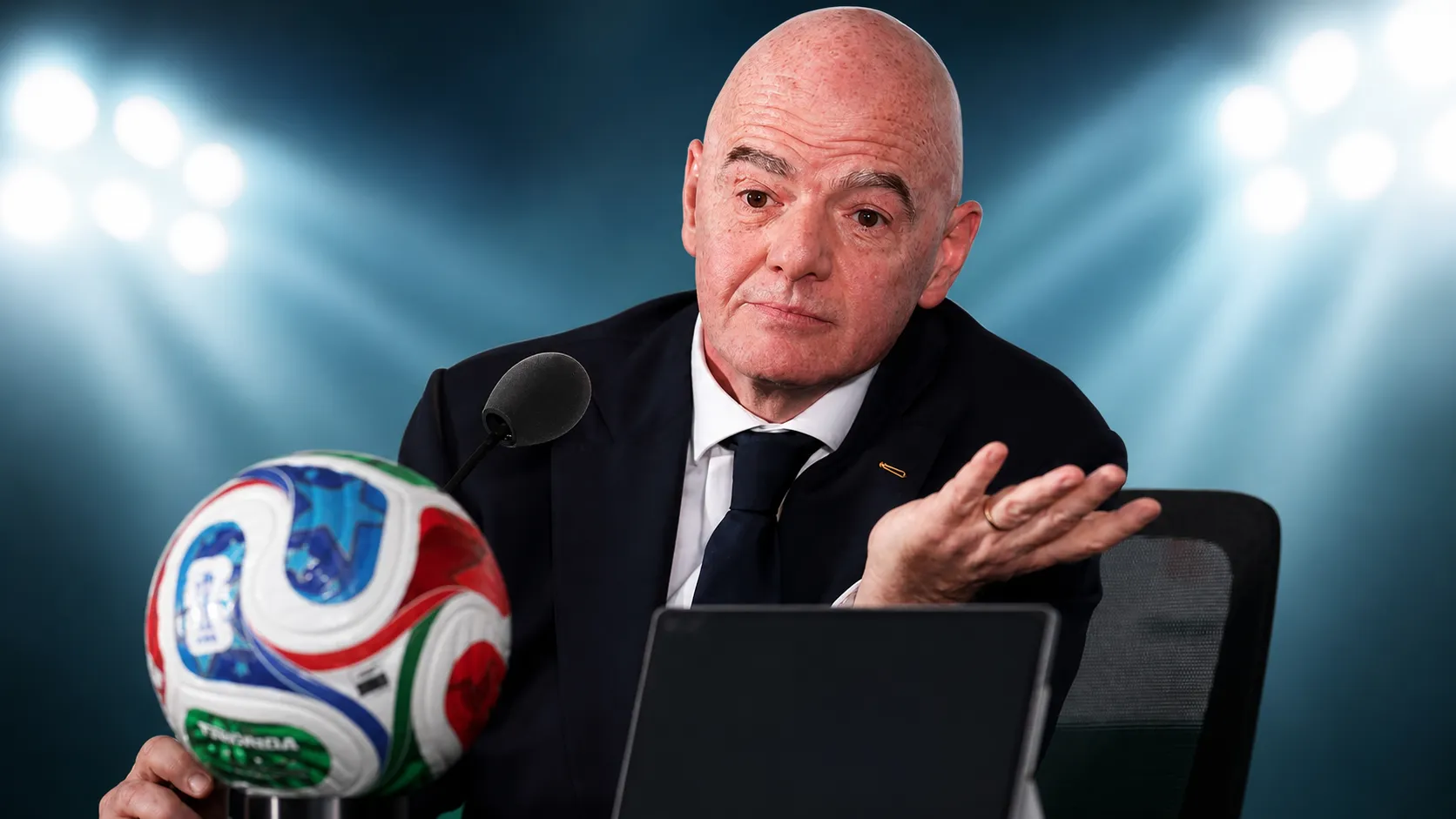
Gianni Infantino has responded to mounting concerns around the upcoming World Cup by urging supporters to “chill and relax”, after a Somali referee was prevented from entering the United States.
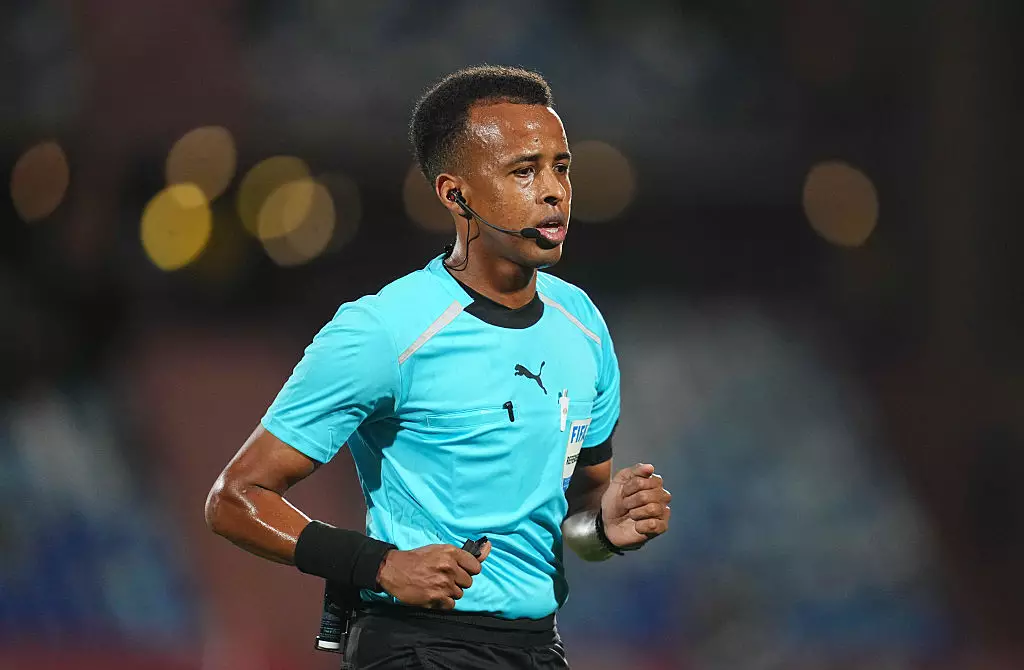
The FIFA president addressed the issue after referee Omar Artan was blocked from travelling to the US earlier this week, in what has become one of several flashpoints surrounding the tournament before kickoff. The 2026 World Cup opens on 11 June and runs until 19 July across the United States, Mexico and Canada in the first 48-team, 104-match edition of the competition.
Artan had been due to become the first official from Somalia to referee at a World Cup. However, he was stopped at the border because of a US travel restriction that bars Somali citizens from entering the country.
The move triggered criticism internationally, particularly as Artan believed he had the correct visa to make the trip. Somali officials said he had been issued a visa before travelling, while US authorities later said he had been found inadmissible on arrival. FIFA subsequently confirmed that he would not be able to train or officiate at the tournament.
Infantino was asked about the matter during a 66-minute press conference on Wednesday evening as concerns also swirled around visa access for some fans, media and team delegations heading to a tournament in which most matches will be staged in the US.
“It is unfortunate what happened to Omar. But we don’t control everything. We try, we discuss and we will speak”, Infantino said.
“Maybe sometimes it is good as well to just chill and relax. We work on everything and try to solve everything. Sometimes, to start screaming and shouting has the opposite effect of finding a solution.
“Believe me when I tell you, don’t believe me if you want, we always try to find solutions. We are not the kings of the world who can rule over governments and police forces; we are a sports organisation”.
Journalists then challenged his phrasing and asked what exactly he meant by telling people to “chill”. Infantino replied by pointing to a future tournament and the limits of FIFA’s authority over national governments.
“In 2035, I think the Women’s World Cup will be in (the) UK.
“Would you find it normal that FIFA would dictate to the British Government who to let in the country and who not to let in the country? I don’t know, maybe you find it normal.
“Our world is a very aggressive world and security goes above everything. You need to respect the decisions.
“When I say ‘chill’, I don’t mean ‘chill and do nothing’, I mean to trust us.
“We always try to make the situation as positive as possible and find solutions. Sometimes we manage, sometimes we do not.”
The case has attracted wider scrutiny because Somalia is among the countries affected by a US proclamation that suspended visa issuance for several nationalities, with limited exceptions, from 9 June 2025. Critics argue Artan’s exclusion raises difficult questions for FIFA and host governments when major international sporting events rely on cross-border access for players, officials, journalists and supporters.
Artan, 34, has been one of African football’s rising officials and was welcomed home to Somalia as a hero after the incident. His omission means a landmark moment for Somali football has been postponed, even as he has said he hopes to make it to a future World Cup.
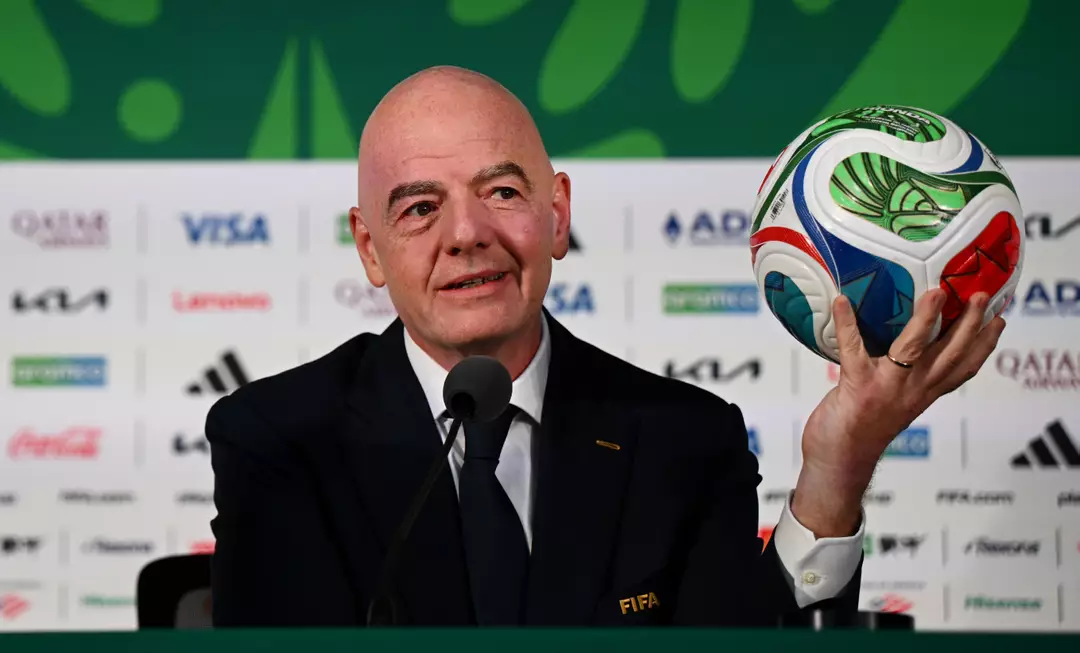
Infantino also used the same appearance to defend FIFA’s approach to ticket pricing, which has drawn criticism after the organisation introduced a dynamic pricing model.
Even seats listed through FIFA’s own resale service have remained eye-wateringly expensive. FIFA’s 2026 resale marketplace charges a 15 per cent fee to buyers, while sellers are also subject to a 15 per cent resale fee, prompting fresh criticism from supporters and consumer advocates over the overall cost of attending matches.
The cost of attending this year’s competition has already made it one of the priciest World Cups yet, particularly on the resale market, but Infantino insisted the pricing strategy was justified.
“The starting price at $60; the market is what it is. If you sell it at a lower price point, it would have gone on secondary markets at much higher prices.
“Where would the money go then? To those who organised secondary or black market activities and not to football.
“Every dollar that comes in goes back to the development of football. We have one competition every four years. The 47 other months out of the 48, we are investing this revenue in growth. Nobody else is doing that.”
FIFA has argued that dynamic pricing helps it respond to demand and keep more sales within official channels rather than pushing fans towards unauthorised resale sites. But the policy has become another major talking point ahead of kickoff, adding to criticism over affordability, access and the broader fan experience at a World Cup already under intense global scrutiny.