

FIFA Stands Firm on Pride Celebration as Egypt and Iran Face Off in Seattle
FIFA has firmly rejected requests from both Egypt and Iran to cancel or restrict Pride-related festivities surrounding their World Cup match in Seattle on Friday, marking a significant clash between the international soccer governing body’s stance on inclusion and the objections of two nations with deeply restrictive laws regarding LGBTQ+ rights.
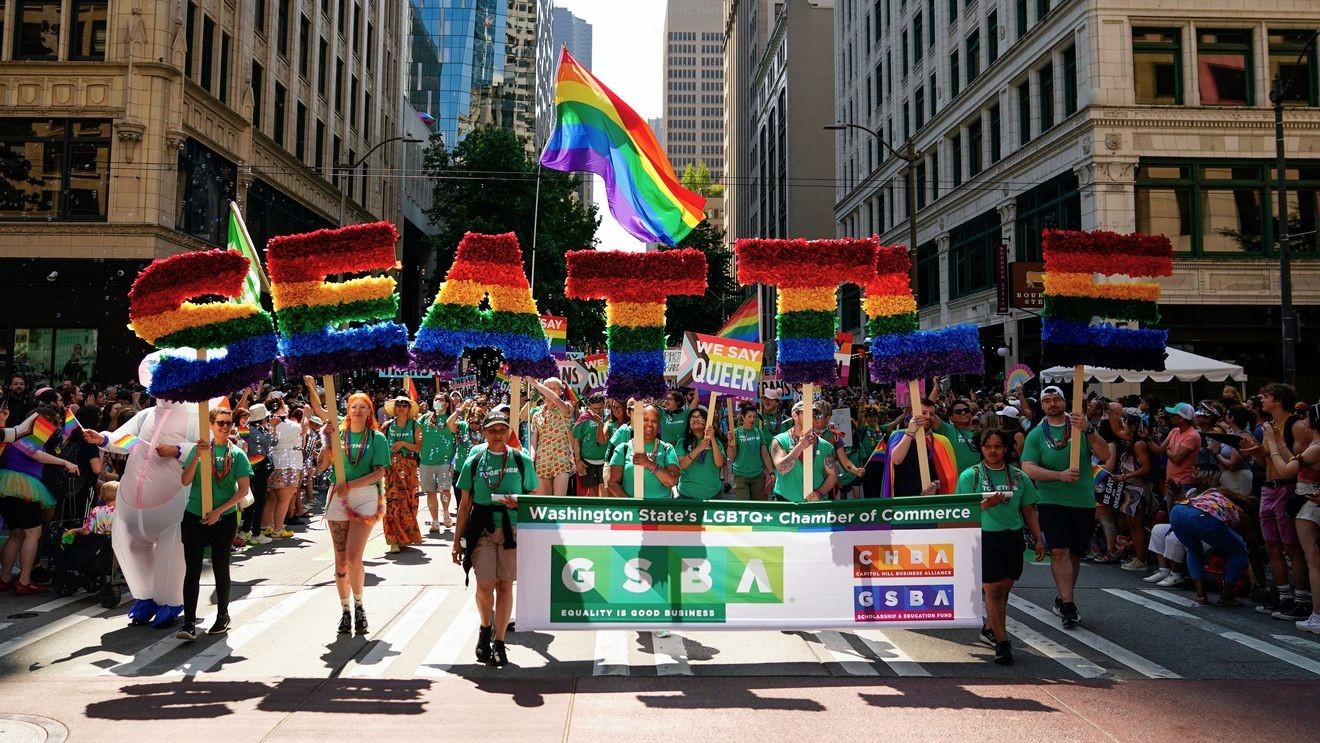
The match between Egypt and Iran, scheduled for 8 p.m. At Lumen Field on June 26, coincides with Seattle’s annual Pride weekend, prompting the city’s local World Cup organizing committee to officially designate it as the “Pride Match.” The designation was planned months before the World Cup draw in December 2025, when organizers had no way of knowing which teams would be playing on that date.
When the draw revealed that Egypt and Iran would face each other on Pride weekend, both nations’ football federations immediately lodged formal objections with FIFA. In a statement released last December, Egypt’s Football Association said it “categorically rejects the holding of any activities related to supporting homosexuality” during the match and sent a formal letter to FIFA Secretary General Mattias Grafström expressing these concerns.
Similarly, Iran’s Football Federation submitted its own protest, requesting that FIFA prevent “ceremonies and activities” supporting the LGBTQ+ community, along with symbols and representations both inside and outside the stadium. In its statement, Iran emphasized that both countries shared “deep cultural and religious commonalities” and argued that the Pride Match branding was “an irrational move that supports a certain group.”
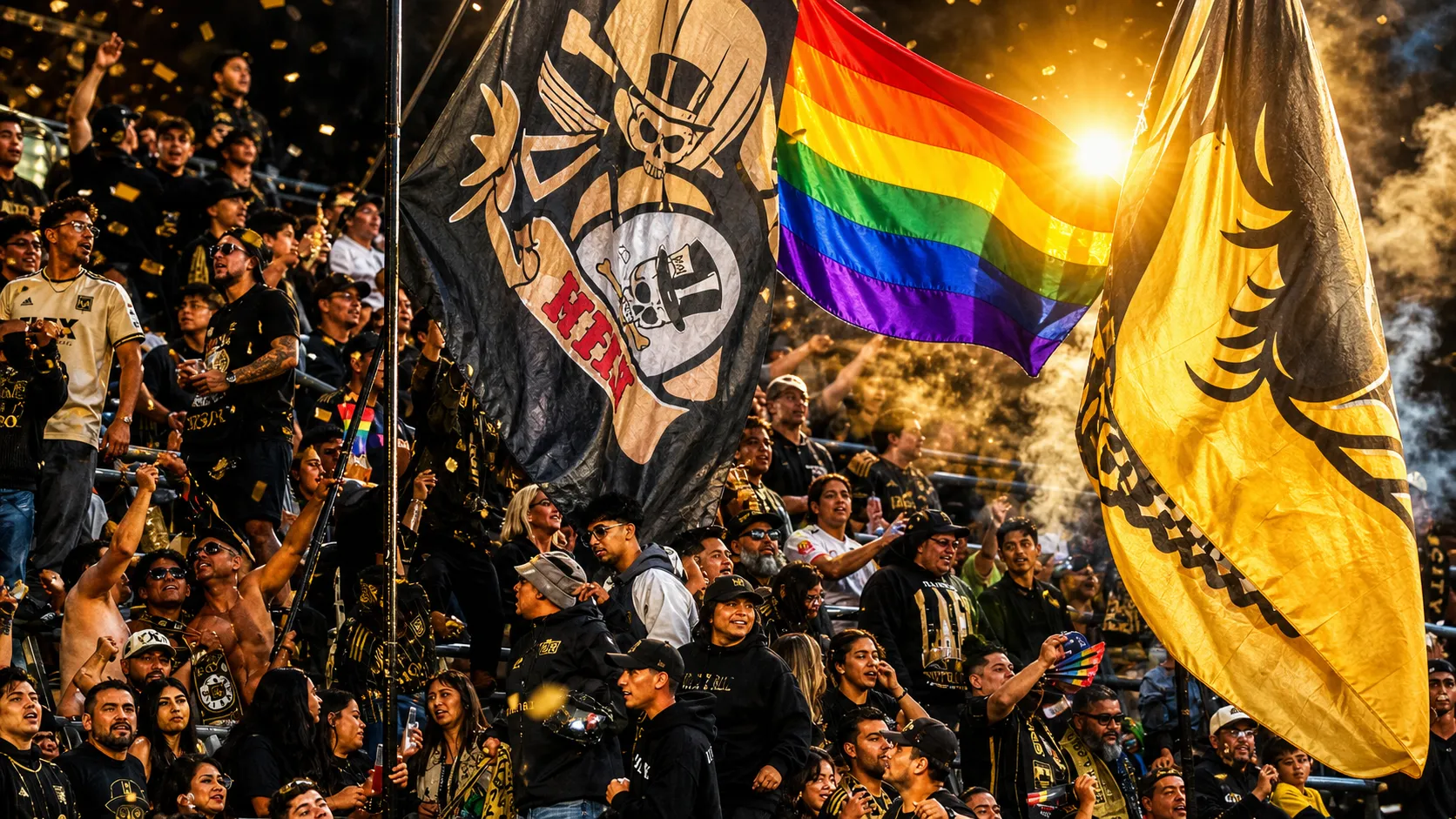
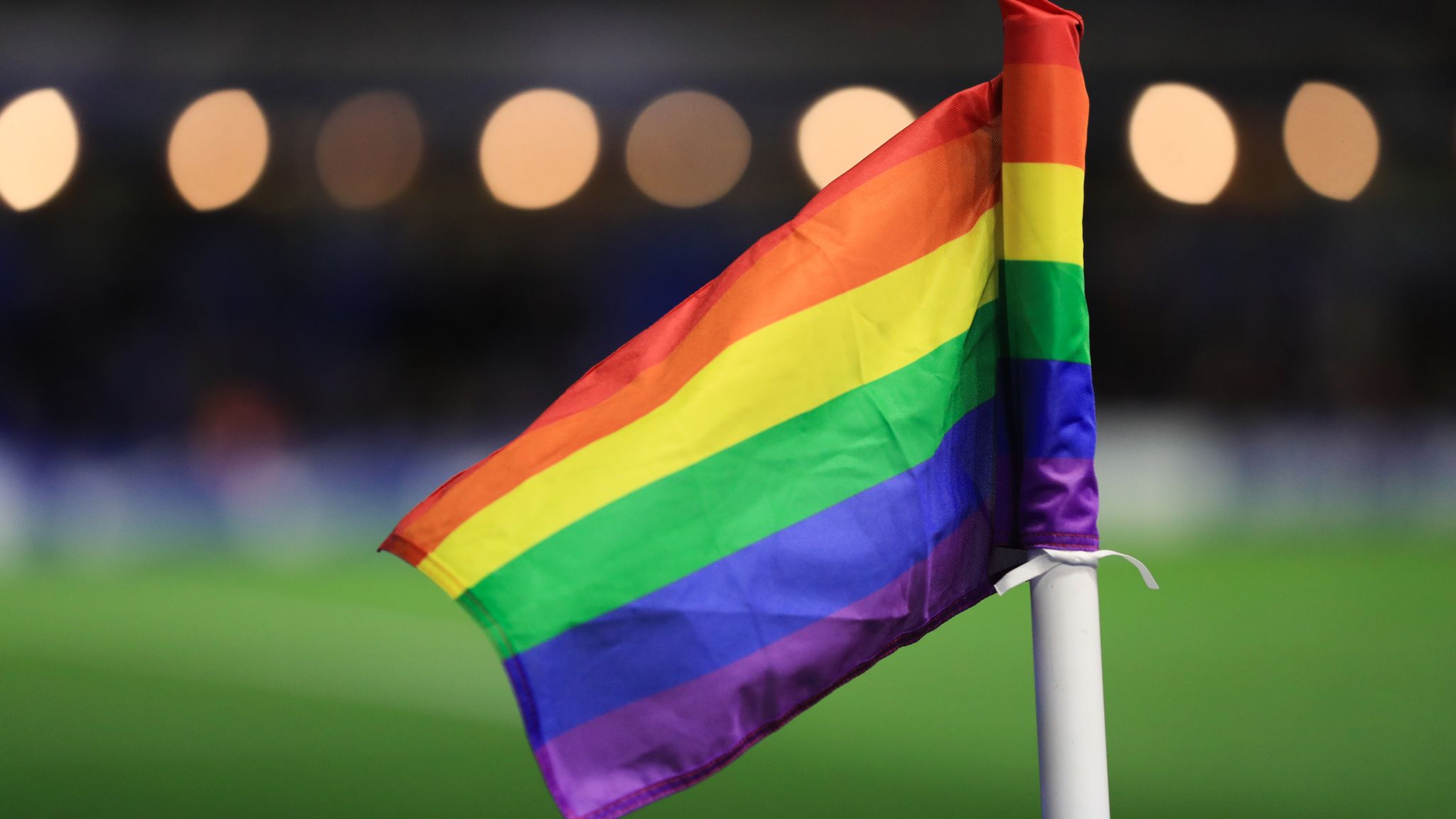
FIFA’s response has been unequivocal. On Thursday, the international governing body released a statement reaffirming that the 2026 World Cup is “an inclusive event that welcomes people from all backgrounds” and that “fans of all sexual orientations and gender identities are welcome at matches and events.” The statement explicitly confirmed that rainbow flags and other LGBTQ+ symbols are permitted under the FIFA World Cup 2026 Stadium Code of Conduct and may be displayed inside stadiums.
FIFA President Gianni Infantino attempted to clarify the organization’s position in January 2026, telling Swiss publication Die Weltwoche that while there would be no official “Pride Match” branded by FIFA itself, the designation came from Seattle’s local organizing committee, with external organizations hosting separate pride events in the city on the same day. “There will be a FIFA World Cup match in Seattle, and on the same day, events organised by external organizations will be taking place in the city. But that has nothing to do with the match itself,” Infantino stated.
The controversy highlights a significant contrast in FIFA’s approach compared to the 2022 World Cup in Qatar. At that tournament, FIFA threatened yellow cards against players who wanted to wear rainbow “OneLove” armbands, citing rules against political messaging. This year, however, FIFA has maintained that celebrating Pride represents a statement of human rights and inclusion rather than a political position.
Both Egypt and Iran criminalize same-sex relationships. In Iran, homosexuality can carry severe penalties including lashings, imprisonment, and even the death penalty. Egypt does not explicitly ban homosexuality but has used vague indecency and public decency laws to arrest and prosecute LGBTQ+ individuals. The countries’ strict legal frameworks and stated cultural objections make Friday’s match particularly contentious.
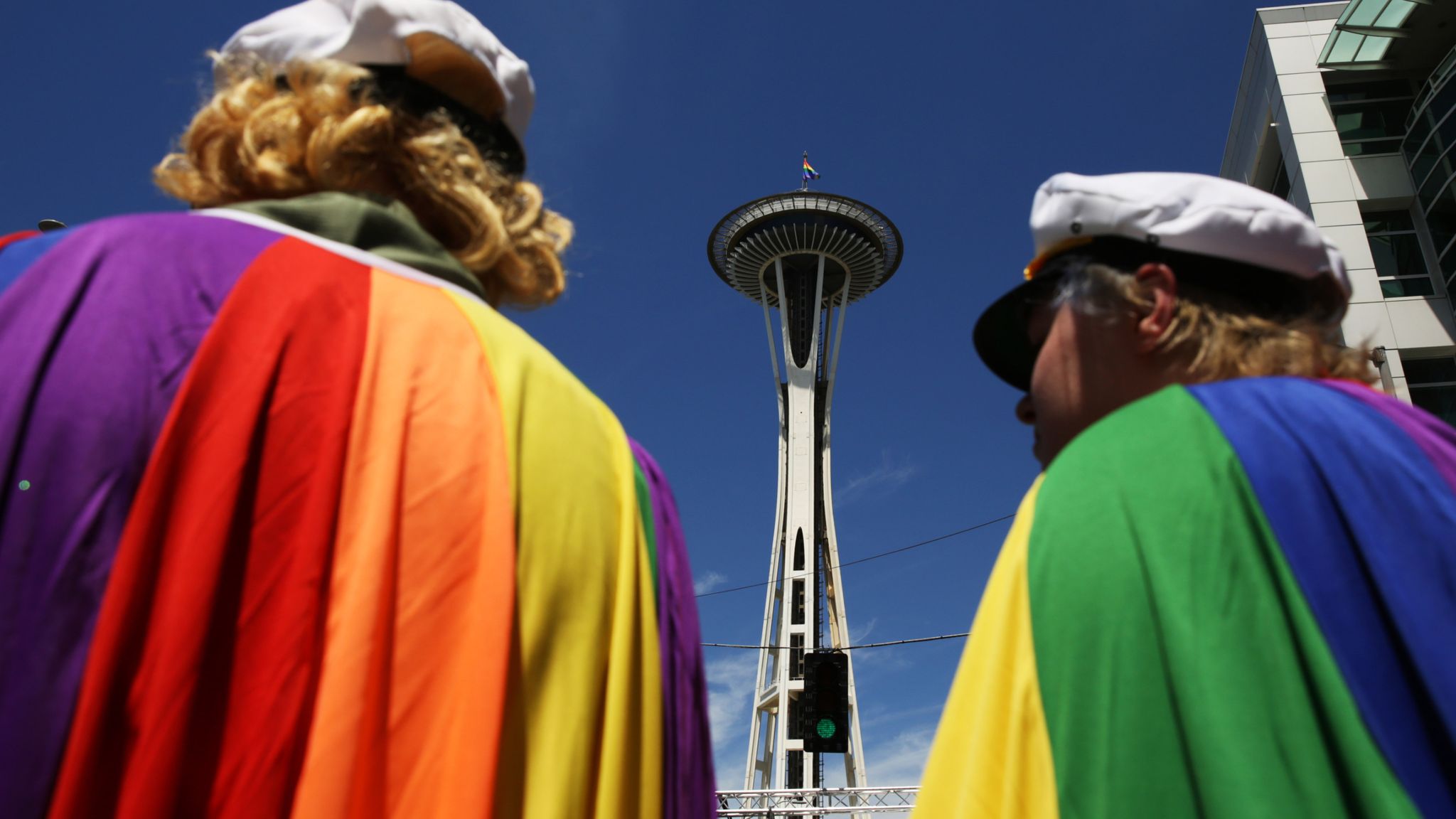
Seattle’s local organizing committee has remained unmoved by the objections, declaring plans to proceed as scheduled. The committee stated that “soccer has a unique power to unite people across borders, cultures, and beliefs” and emphasized its “ongoing commitment to respect, dignity and unity for all.” The city has planned an extensive weekend of celebrations, including watch parties across neighborhoods like Capitol Hill, Ballard, and White Center, special Pride Match Day merchandise, a drone show near the Space Needle after the match, and the raising of the Pride flag over Seattle’s skyline on Sunday.
One day before the match, Iran officially requested FIFA to ban pride flags inside the stadium and prevent any “ceremonies or promotional activities” in support of the LGBTQ+ community. FIFA rejected this request as well.
The stakes extend beyond the Pride designation. The match is a crucial Group G fixture that could determine qualification to the knockout round. Egypt currently leads the group with four points, while Iran has two points. The winner could advance directly, while the outcome will also depend on the simultaneous match between Belgium and New Zealand in Vancouver.
The controversy has become a diplomatic flashpoint. Iran’s national team has faced additional complications related to U.S. Travel restrictions. The team, which has been based in Mexico during the tournament, was initially only permitted to enter the United States one day before matches. Following threats of an official complaint, U.S. Officials eased these restrictions, allowing the Iranian team to arrive in Seattle on Wednesday to prepare. However, the team must depart for Mexico immediately following Friday’s match and cannot stay overnight in the country.
At a pre-match press conference Thursday, Iran’s coach Amir Ghalenoei declined to engage in further discussion about the Pride Match, stating: “I said we are here to play football. For nothing else. Our entire focus is going to be on tomorrow’s game, on succeeding in tomorrow’s game.”
Seattle authorities have prepared for potential protests around the stadium. Mayor Katie Wilson confirmed that the city is “very much expecting and prepared for protest activity” and has designated specific protest zones in the stadium area, with law enforcement prepared to manage developments. The match is expected to draw significant attention given Seattle’s status as one of the most LGBTQ+-friendly cities in the United States and its decades-long tradition of Pride celebrations.
Local supporters of the Pride Match designation argue it sends a powerful message. State Senator Jamie Pedersen noted that while such celebrations could be dangerous if attempted in Iran or Egypt, Seattle’s values of welcoming diversity make it appropriate to proceed. “In a community like Seattle that prides itself on welcoming people from all over, I just can’t imagine that it’s going to be a significant problem,” he said.