

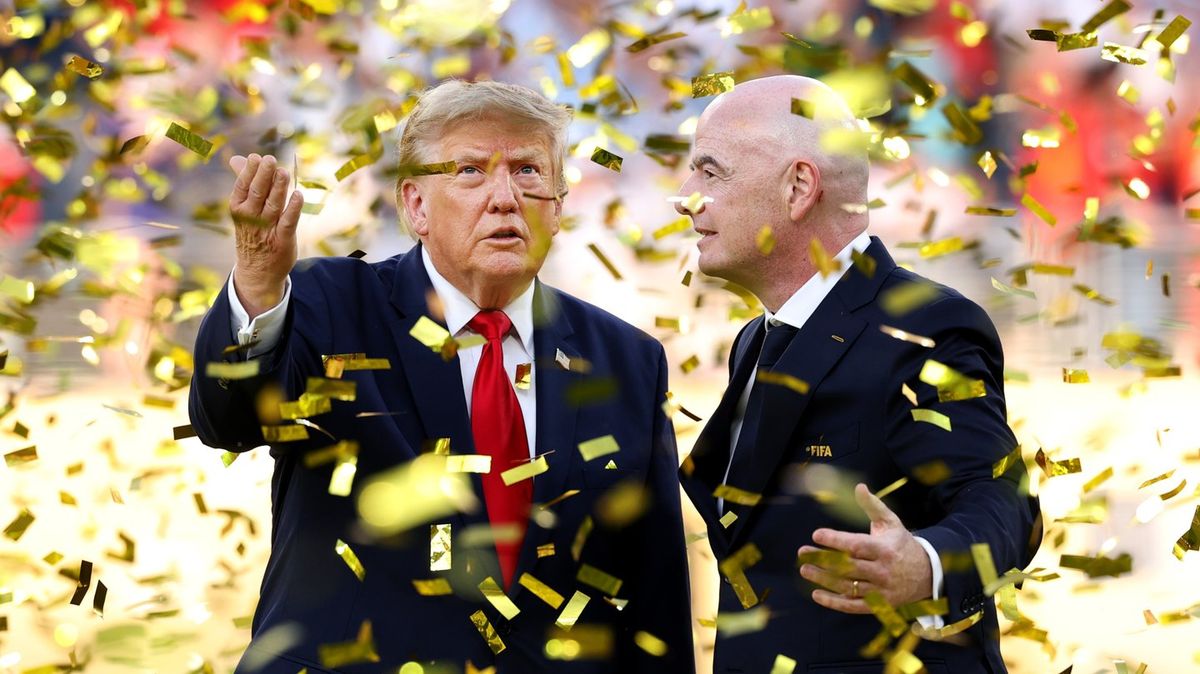
FIFA has pushed back on claims that Gianni Infantino sought private discussions with the Trump administration on August 3 as he looks to protect his position ahead of the next presidential election.
Infantino has led world football’s governing body since 2016, but his hold on the role now appears less secure than it did only weeks ago.
The next FIFA presidential vote is set for March 18, 2027, and Infantino is widely believed to want another four-year term.
Until recently, he seemed to be in a strong position. Reports last month suggested he had support from more than 200 FIFA member associations and was on track for a fourth term. That changed after fierce backlash to his proposed ‘FIFA Forward Enterprise’.
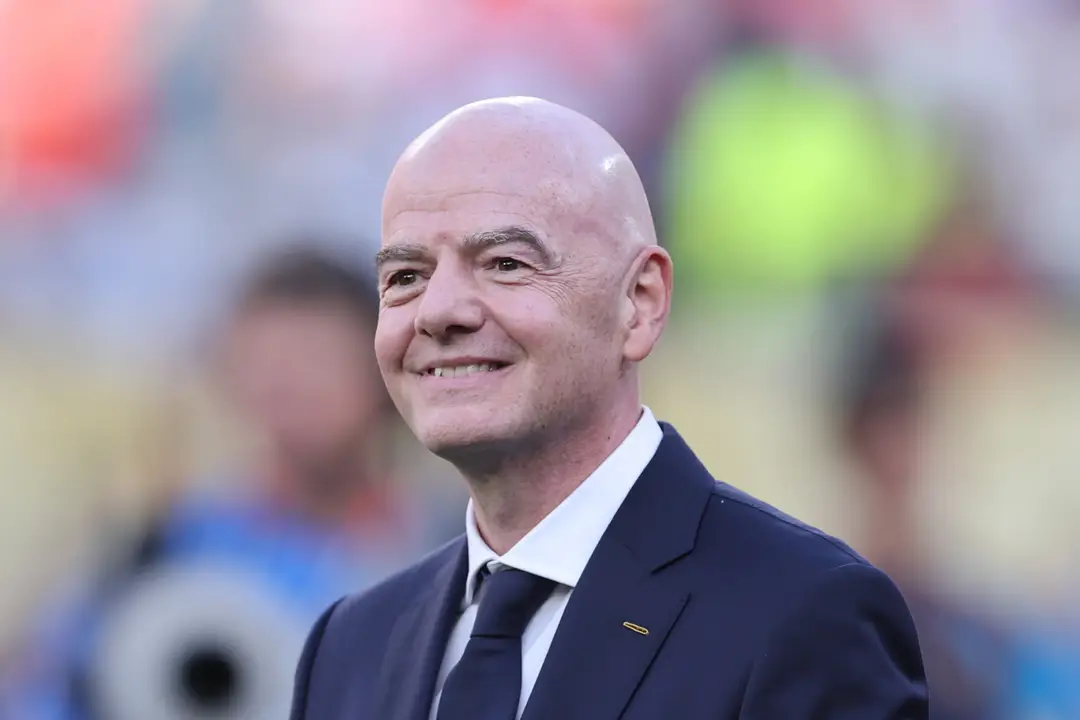
Under that plan, FIFA would have sold a 20 percent minority stake in the new subsidiary to private equity firm Thrive Eternal. The proposal triggered strong opposition, and several countries were said to be considering a boycott of the next World Cup if it moved ahead.
Infantino eventually abandoned the idea, but the fallout has continued.
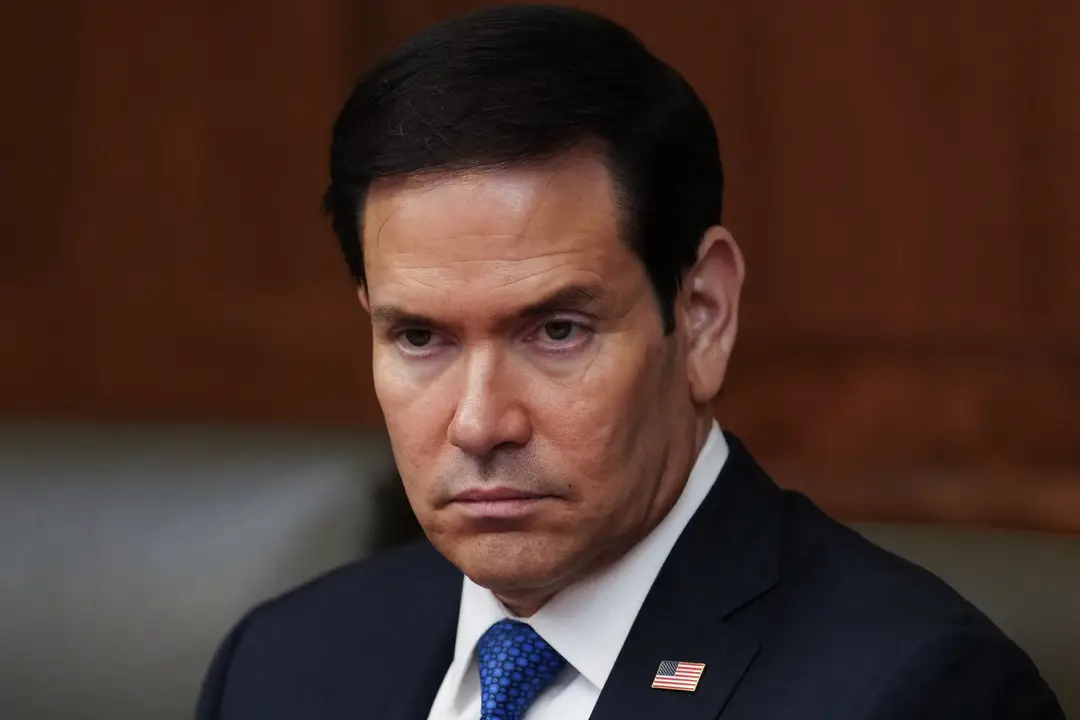
In the latest twist, sources said that Infantino had arranged a 9am ET call on August 3 with Secretary of State Marco Rubio.
One of the insiders said:
“He wanted to get online with the secretary and talk about how soccer can be a form of soft power for America. But we all know that it is about job protection. It is not about anything else at this point.”
A second source said:
“He is looking for allies of note to publicly support him.”
FIFA has denied the report and said no such conversation happened. The organization also insisted that no call had been scheduled with Rubio or with any other member of Donald Trump’s cabinet. The U.S. Assistant Secretary of State for Global Public Affairs Dylan Johnson further clarified that there were “no plans” for Rubio to speak with Infantino and that “there is no call this morning.”
According to reports, Infantino had repeatedly tried and failed to reach Trump by phone since the privatization proposal collapsed on Friday, and felt increasingly isolated by negative media coverage.
Even though the privatization proposal has been dropped, opposition to Infantino has remained. Football authorities in England and Wales are among those who have already said they will not support his bid for re-election.
Part of the Welsh FA’s statement read:
“The Football Association of Wales hereby confirms its withdrawal of support for the candidature of Mr. Gianni Infantino, for re-election as FIFA President for the 2027–2031 term.
“The recent failures in good governance, processes, leadership, values, stakeholder management, communications and sound judgement have led us to a position where Mr. Infantino has lost the confidence of the FAW to remain at the helm of world football.
“Failing to put the best interests of football first is a failure we cannot accept.”
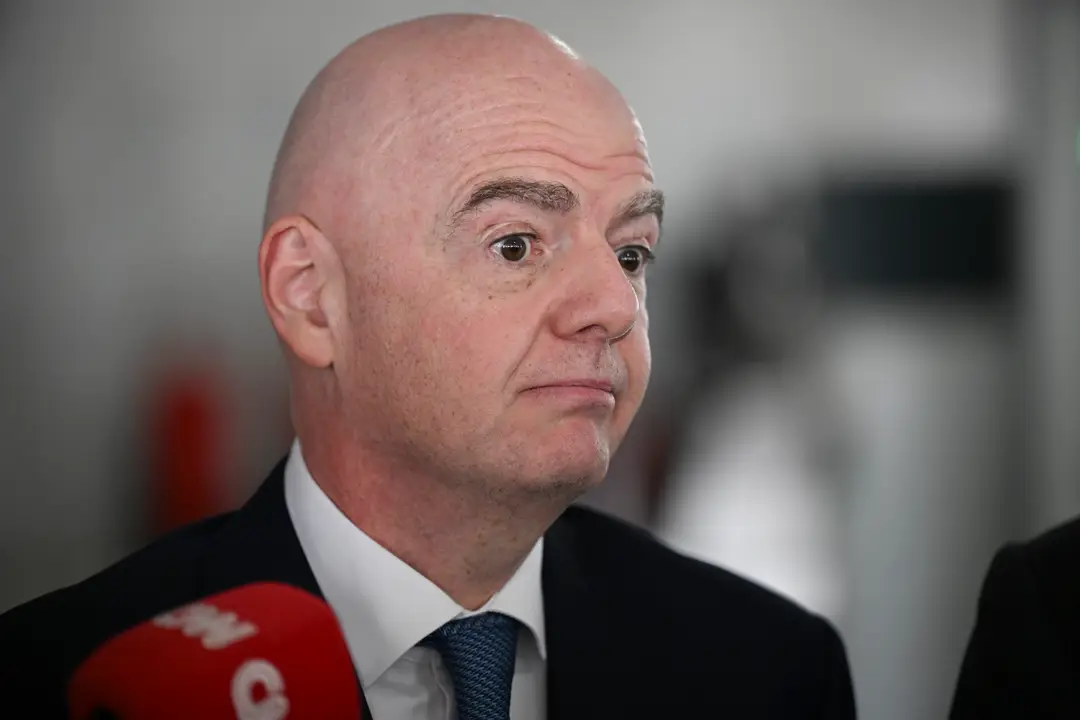
The crisis deepened when Carlos Cordeiro, former president of the U.S. Soccer Federation and senior advisor to Infantino, resigned in protest over the privatization plan. Cordeiro called the proposal “a bad deal for football.” FIFA’s chief operating officer Kevin Lamour also stated that he and his team had been “deceived” and “misled” by the lack of openness surrounding the plans, adding that staff “deserve better than contempt and intimidation.”
Major football confederations have turned against Infantino. UEFA voted 55-0 to oppose the plan and threatened to boycott FIFA competitions, while CONCACAF and the Asian Football Confederation also expressed deep concerns about the lack of consultation and governance. As a result, Infantino now faces the most serious challenge to his presidency since taking office in 2016, when he was the only contested election he has faced, winning 115-88 votes against Sheikh Salman bin Ebrahim Al Khalifa. In 2019 and 2023, he ran unopposed.
With Infantino’s position weakening, senior European football officials are now considering potential challengers for the 2027 election. Reports indicate that UEFA has explored whether figures like PSG President Nasser Al-Khelaifi or UEFA President Aleksander Ceferin could run against him. However, Al-Khelaifi has declined to enter the race, making clear he has “absolutely no ambition, no intention, nor any interest in this role at FIFA.”
Attention will also remain on FIFA because of the 2030 World Cup, which will be shared by Morocco, Portugal and Spain as the tournament marks its 100th year.
The competition is due to run from June 8, 2030, to July 21, 2030, making it the longest edition of the World Cup so far at 44 days.
FIFA has also confirmed that Argentina, Paraguay and Uruguay will each stage one match as part of the centenary celebrations, recognizing the first World Cup in 1930.
Those arrangements mean all six host nations will qualify automatically for the tournament, guaranteeing places in at least the group stage for Morocco, Portugal, Spain, Argentina, Paraguay and Uruguay.
In Spain, games are planned for Barcelona, Bilbao, Las Palmas, Madrid, San Sebastian, Seville, Valencia, Vigo and Zaragoza.
Portugal is set to use venues in Lisbon and Porto, while Morocco’s host cities are Agadir, Casablanca, Fez, Marrakesh, Rabat and Tangier.
The three commemorative opening matches are scheduled for the Estadio Monumental in Buenos Aires, the Estadio Centenario in Montevideo and the Estadio Osvaldo Dominguez Dibb in Asuncion.