

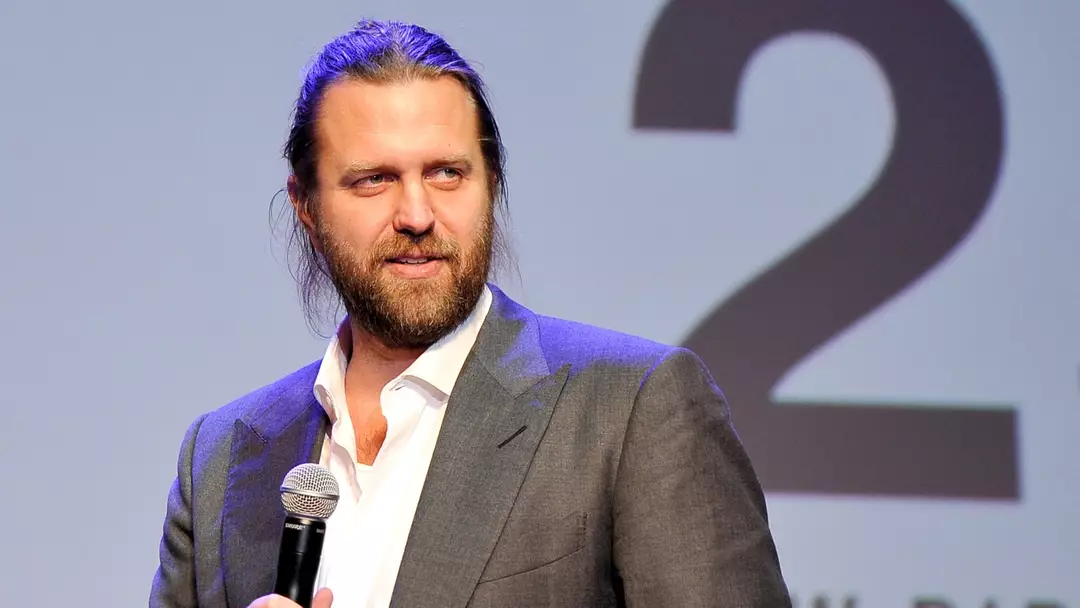
A film director has been found guilty of swindling Netflix out of $11 million.
Carl Rinsch was originally given funds to complete a series titled White Horse. Netflix initially invested $44 million in the production, but in 2020, Rinsch claimed he required an additional $11 million to finish the project.
Instead of using the funds to complete the show, Rinsch, known for directing the 2013 box office disappointment 47 Ronin, diverted the money into a personal investment account, where he lost nearly half within two months.
Expenditures also included a $395,000 charge for a stay at the Four Seasons hotel and the purchase of several luxury properties.
In a surprising twist, Rinsch used $1 million of Netflix’s funds to hire legal teams to sue the streaming giant for more money and to handle his divorce proceedings.
Rinsch has now been convicted of wire fraud and money laundering, facing charges from the New York’s Southern District attorney’s office, which could result in a sentence of up to 90 years in prison.
Following the confirmation of the guilty verdict, US Attorney Jay Clayton stated: “Carl Erik Rinsch took $11 million meant for a TV show and gambled it on speculative stock options and crypto transactions.
“Today’s conviction shows that when someone steals from investors, we will follow the money and hold them accountable.”
An indictment released by government prosecutors earlier this year accused Rinsch of ‘knowingly having devised and intending to devise a scheme and artifice to defraud, and for obtaining money and property by means of false and fraudulent pretenses.’
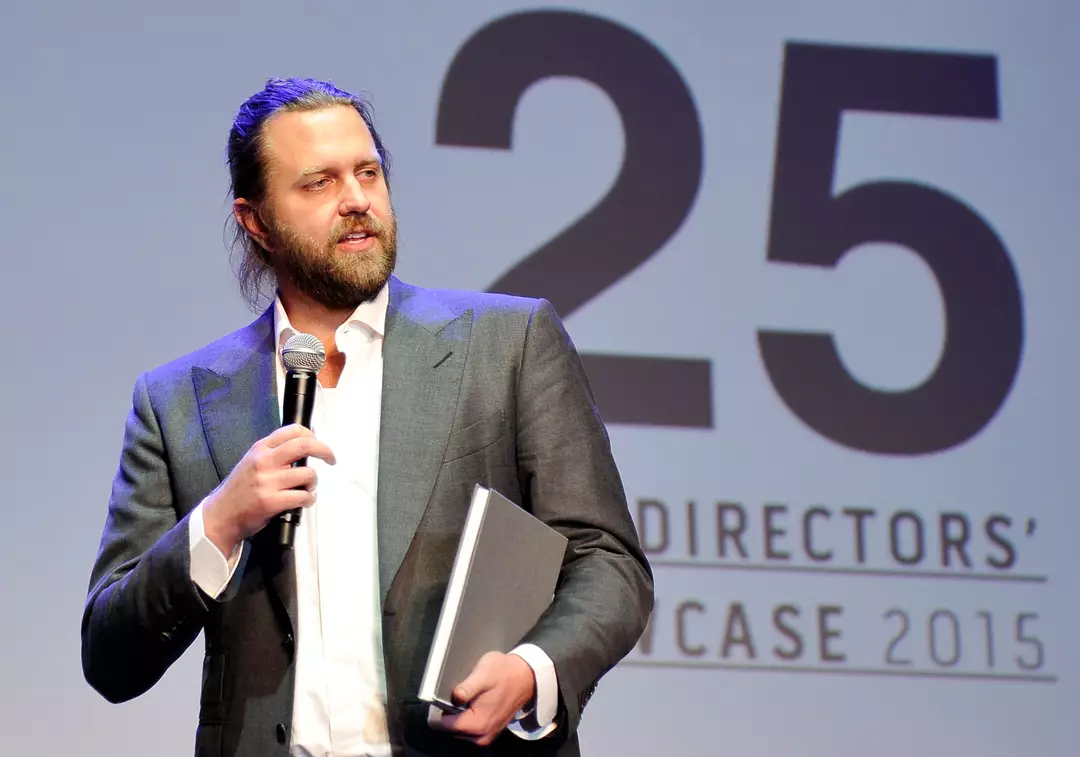
FBI Assistant Director Leslie Backshies previously commented on the situation, stating that Rinsch used the funds for ‘finance lavish purchases and personal investments instead of completing a promised television series’.
She emphasized: “The FBI will continue to reel in any individual who seeks to defraud businesses.”
According to the indictment, Rinsch faced charges of one count of wire fraud, one count of money laundering, and five counts of engaging in monetary transactions in property derived from specified unlawful activity.
After misleading the company in 2020, Netflix canceled the project in 2021, with nothing to show for White Horse apart from a few teaser clips.
Rinsch received legal representation from both public defenders and private attorneys, with a sentencing hearing scheduled for April 17, 2026.