


A financial expert shared his candid thoughts on the underlying problem contributing to the current cost of living crisis affecting younger generations.
Fortunately, this expert avoided the usual clichés that suggest young people just need to work harder, stop indulging in avocado toasts, and curb frequent travel.
While reducing high-cost expenses is generally sound advice, the challenge of day-to-day affordability remains significant for Gen Z and millennials in the US.
Financial expert Dave Ramsey pointed out that the fault doesn’t solely lie with these generations.
During a recent episode of his investing podcast, The Ramsey Show, Ramsey argued that many from these age groups have been ‘brainwashed’ and ‘screwed over’ by external forces.
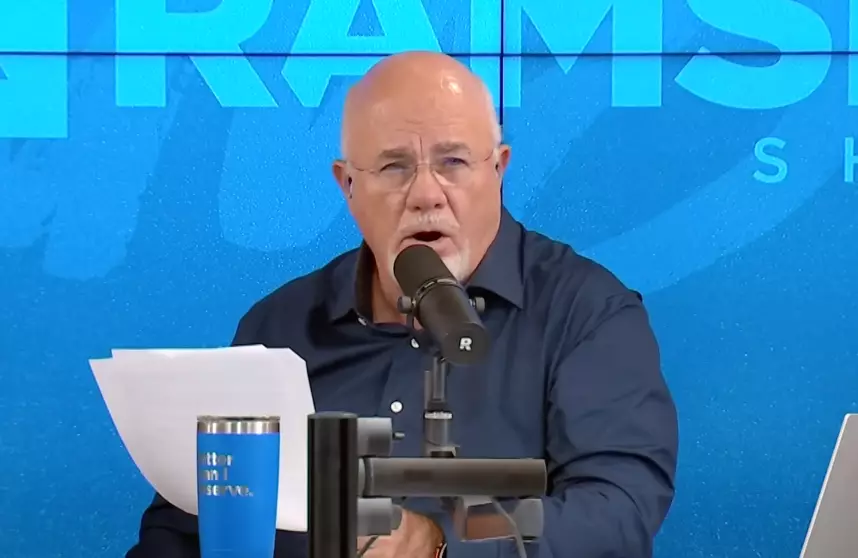
Ramsey emphasized that instead of blaming social media or overspending, the real culprits are the banks and US congress, which have exploited these generations.
He stated: “There is a serious pinch on these two generations but it is not because things are too expensive.
“It is because the large banks and the car companies and the US congress have conspired to screw them.
“We have record credit card debt, the most ever.
“They have been brainwashed to believe by the big banks, that if I use a credit card I can prosper with the points and the airline miles which is mathematically ludicrous.
“They have been brainwashed by the lending industry that if they have a high FICO score they are somehow winning when 100 percent of the mathematical items in the algorithm for the FICO score are debt related.”
Ramsey further explained that a FICO score does not reflect financial well-being but rather indicates how much individuals have been ‘screwed’ by these large institutions.
He stated that these generations are essentially bound by the influence of mega banks, US congress, and car companies, leading to the affordability crisis.
Speaking directly to young consumers, he advised: “These people are not your friends.
“If you don’t make it your job to quit being screwed, then you’re going to have affordability issues.”