

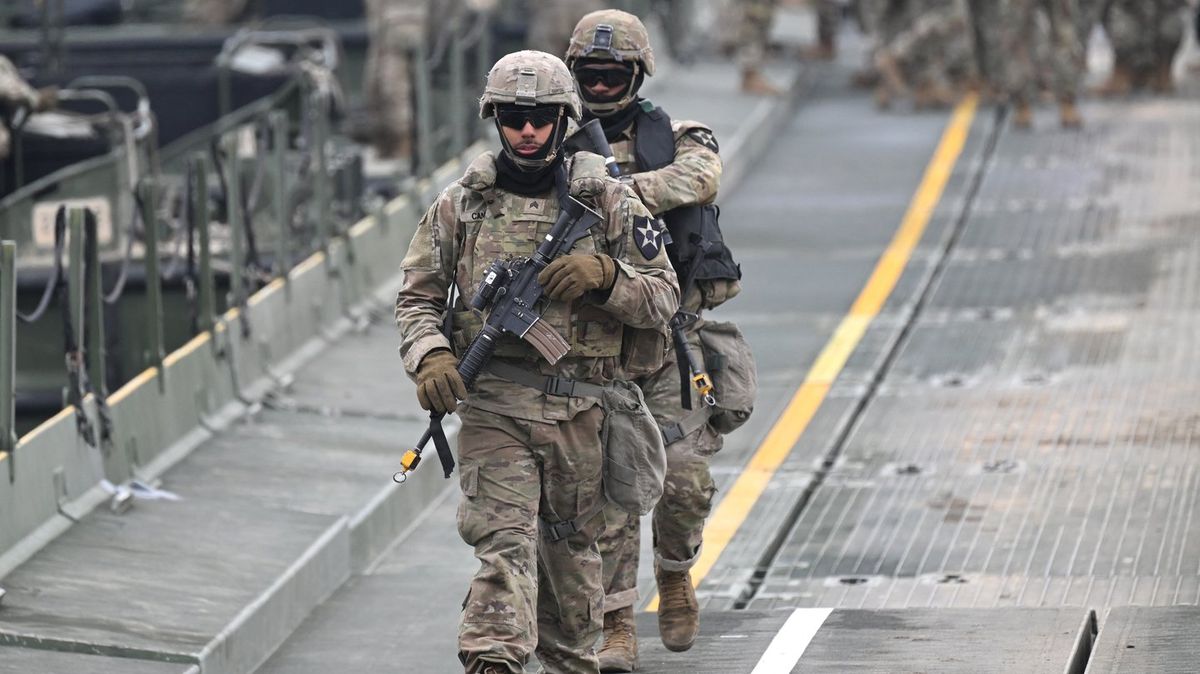
If conscription were ever brought back in the US, there’s a clear set of people who would be first in line to be called up — and it could include you.
On Tuesday (April 7), Iran agreed to a two-week ceasefire with the United States and Isreal. It also presented a 10-point peace proposal that included a request for a permenant end to the conflict with no time limit, alongside other conditions.
The update follows US President Donald Trump describing the ceasefire as a ‘total and complete victory’ for the United States.
Meanwhile, the Iranian Supreme National Security Council issued its own statement calling the development a ‘great victory’ for its people.
Matthew Savill, director of military sciences at the Royal United Services Institute think-tank, suggested Iran may have to ‘suck up some compromises’ and said the country’s options are now ‘on the table’.

Even with the ceasefire in place, there’s still a possibility that fighting could restart once the two-week window ends.
If that were to happen — and if the US were to declare a state of emergency — the military draft could, in theory, be switched back on.
White House Press Secretary Karoline Leavitt has indicated that a draft is not currently in the Trump administration’s plans, but she also said it hasn’t been completely ruled out.
“It’s not part of the current plan right now, but the president again wisely keeps his options on the table,” she said, as per People Magazine.
The most recent draft call-up in the US took place in December 1972, with the program ending in January 1973.
Although it has been dormant for decades, federal law still requires almost all US citizens and male immigrants — regardless of status — to register with Selective Service within 30 days of turning 18.
Not registering is treated as a felony and can lead to major consequences, including a $250,000 fine, five years in prison, and being deemed ineligable for certain federal employment and training opportunities, according to the Selective Service website.
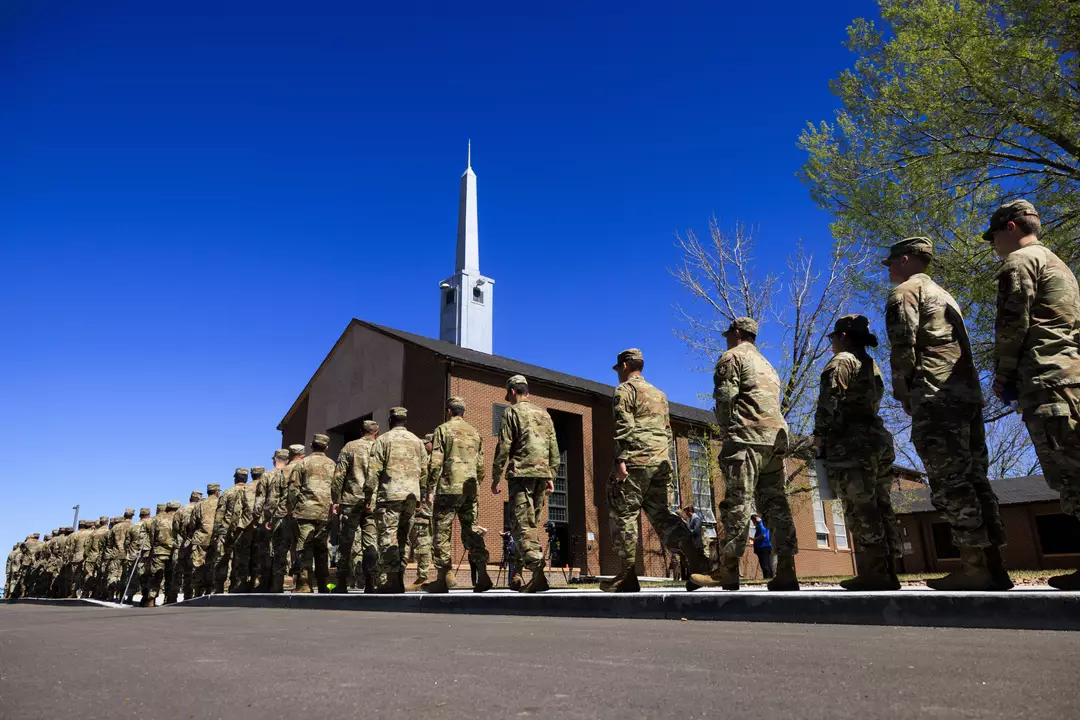
Despite repeated discussion in Congress over the years, women are not currently subject to registration requirements and cannot be drafted in the USA — though they are able to serve in every military job.
For conscription to return, Congress would need to revise the Military Selective Service Act “to authorize the President to induct personnel into the Armed Forces”.
If the Selective Service System were activated, a nationwide lottery would likely be used. The process would rely on birthdates to set the order of call-up, as outlined by Military.com.
This approach mirrors the system used to bring in troops during the Vietnam War era.
In practice, birthdays would be “randomly drawn to determine the order in which individuals are called” for suitability checks and possible induction.
Beyond the lottery, there is also a typical priority order that officials tend to follow, according to the Valnet-owned website.
Those turning 20 during the year the lottery is held would generally be called first, then men aged 21.
If additional numbers were still needed, the system would then move through ages 22 to 25, followed by 19-year-olds, and finally 18.6 year-olds.
Once authorized, inductees must be delivered to the military within 193 days from the draft authorization.
Being selected wouldn’t mean heading straight into combat.
Those chosen would first be required to attend medical, physical, and administrative evaluations to confirm whether they are eligible to serve.
If cleared, they would then begin the formal process of entering military service.
Inductees must be delivered to the military within 193 days from the draft authorization, the website said.
The Department of Defense has previously estimated that only about 23 percent of Americans aged 17 to 24 meet baseline enlistment standards without needing waivers.
Some of the most qualifying factors include, but are not limited to:
If a national emergency led to a draft, certain groups could qualify for exemptions.
According to the Selective Service website, that can include ministers, some elected officials, and veterans.
Some immigrants and dual nationals may also be exempt, depending on where they live and which citizenship they hold.
Medical exemptions can include a range of physical and mental health issues, including cardiovascular and respiratory conditions.

Anyone who belives they should not be examined or inducted — or cannot report — can ask for a postponement or to be reclassified.
This is typically done by submitting a claim to a local Selective Service office.
Those eligible for postponent include: