

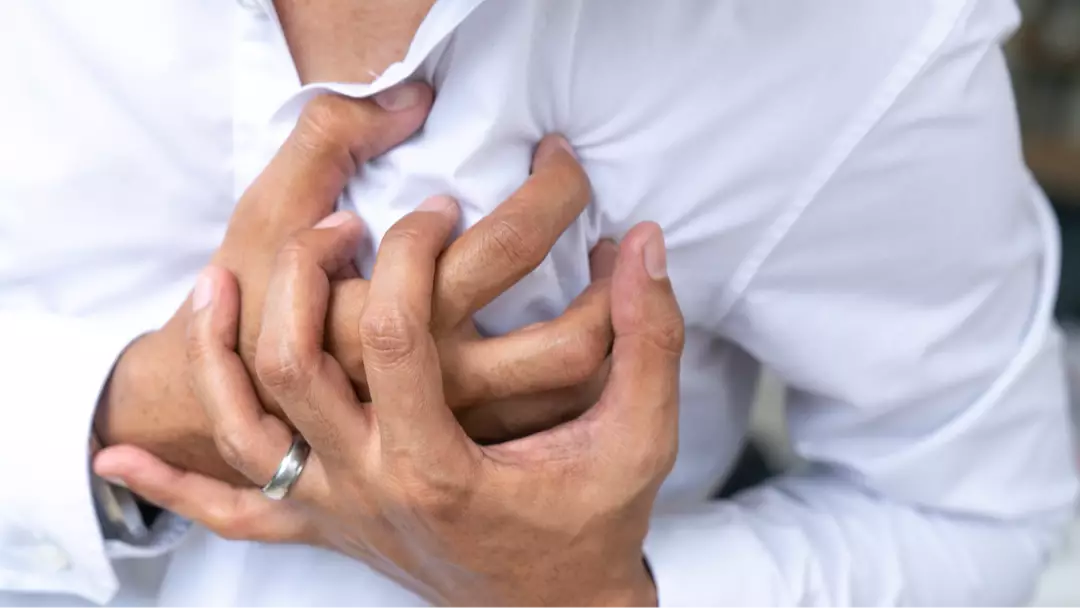
Recognizing the symptoms of a heart attack is crucial because, if not addressed promptly, it can lead to death. Understanding these signs could save lives in critical situations.
In the United States, a heart attack occurs every 40 seconds, amounting to 805,000 heart attacks annually.
According to the Centers for Disease Control and Prevention (CDC), out of these incidents, 605,000 are first-time heart attacks, whereas 200,000 are recurrent occurrences.
More alarmingly, one out of five heart attacks is silent, meaning the damage happens without the person realizing it.
To prevent a heart attack from becoming deadly, recognizing early symptoms is imperative.
Here are five symptoms you should be aware of.
The Heart Foundation advises that experiencing sudden dizziness or loss of balance may be a warning sign.

The website states: “The room starts spinning or your vision starts to fade, your body may be warning you of an impending heart attack. Tell someone right away if you are experiencing these symptoms.”
Experiencing shortness of breath during exercise is normal, but if it occurs unexpectedly while resting, it might indicate a serious issue.
“However, tightening in the chest, difficulty breathing or breathlessness with or without chest discomfort can occasionally be a warning sign for a heart attack,” the Heart Foundation charity warns.
“If you are experiencing shortness of breath which is not normal for you, it’s best to seek medical help right away.”
While these symptoms might be caused by other health issues, persistent occurrences warrant medical consultation.
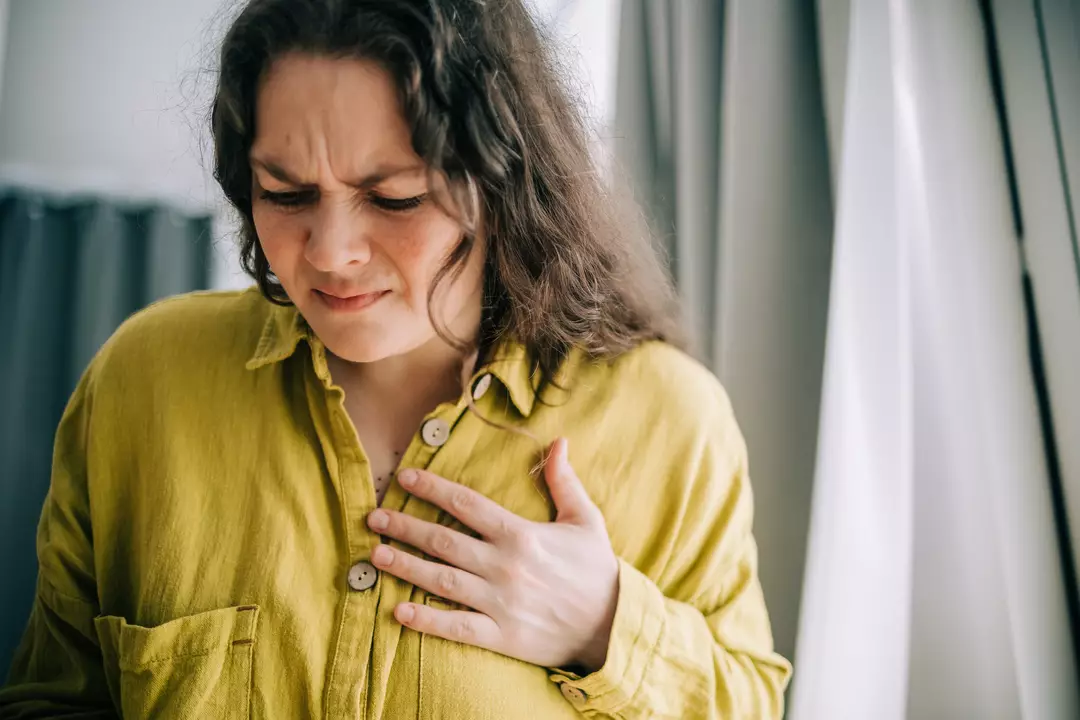
Although rare, the Heart Foundation indicates that it can signal a ‘life-threatening heart attack’.
An uncommon symptom of a heart attack is experiencing a sudden chill, regardless of the surrounding temperature, according to the Heart Foundation.
This symptom, or its absence, is particularly concerning because heart attacks can occur without apparent warning signs.
“In this case, your heart attack might not be picked up until later down the track,” the Heart Foundation explained.