

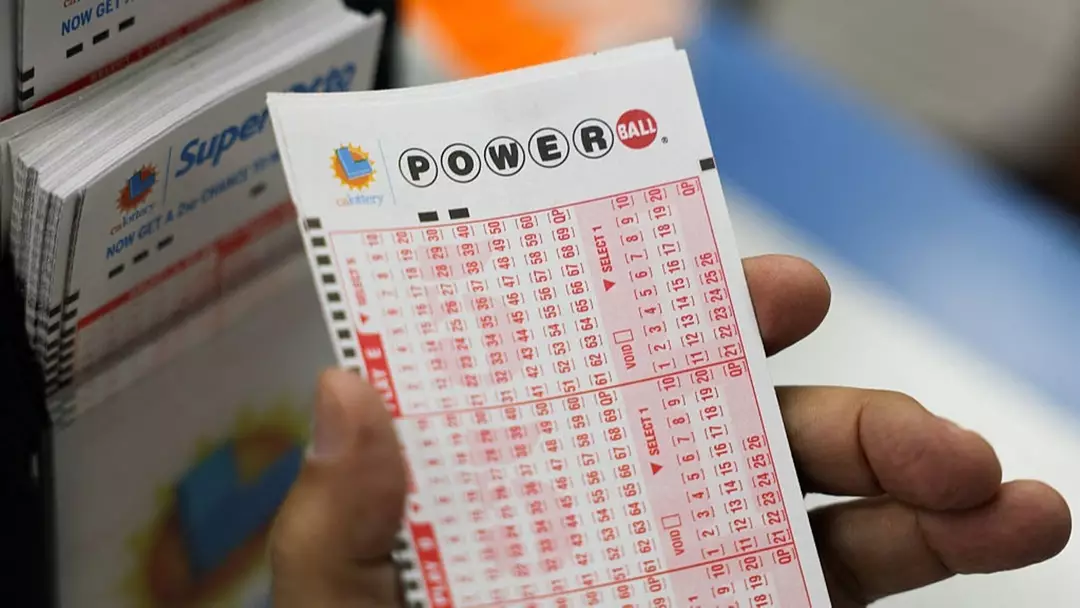
People residing in certain US states will not have the opportunity to win the $1 billion Powerball jackpot this week.
The lottery prize had reached an impressive $930 million before the draw on Wednesday night (December 10). Although three fortunate winners each won $1 million, no one managed to match all six numbers needed to claim the full jackpot.
As a result, the grand prize for the upcoming draw on Saturday (December 13) has risen to $1 billion.
The last time the Powerball jackpot was won was in September, when two players from Missouri and Texas shared a $1.787 billion prize. However, after taxes, their take-home amount was significantly less than $893.5 million each.

The lottery is due for a grand prize winner.
However, if you reside in any of five specific US states, your chances are nil. This is because the lottery is banned in those locations.
Participating in the lottery is an option for residents of 45 states, Washington D.C., Puerto Rico, and the US Virgin Islands. However, those dwelling in Alabama, Alaska, Hawaii, Nevada, or Utah must venture elsewhere to purchase a ticket.
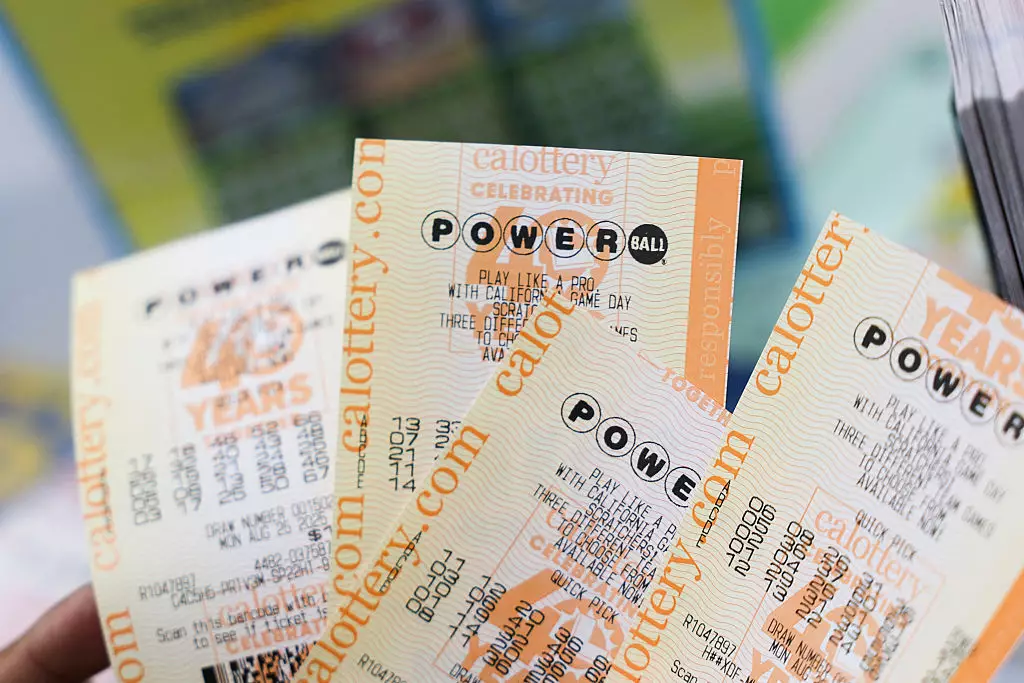
Each state has its own rationale for prohibiting the lottery.
Firstly, it is essential to understand how and why the lottery operates.
Modern US state lotteries began their journey in 1964, with New Hampshire being the pioneer.
Other states gradually followed between the 1970s and 1990s, with Mississippi being the latest to join in 2019.
In essence, lotteries are introduced by states as a simple method to generate extra revenue without increasing taxes.
Politicians can claim they are funding schools, parks, or scholarships without raising taxes. While they are marketed as harmless entertainment, states heavily rely on the money spent by people, particularly frequent players.
Nevada, home to Las Vegas, does not seek additional competition.
Major casinos, such as MGM Grand and the Mirage, wield significant political influence and do not want a government-run lottery competing with their gambling revenues.
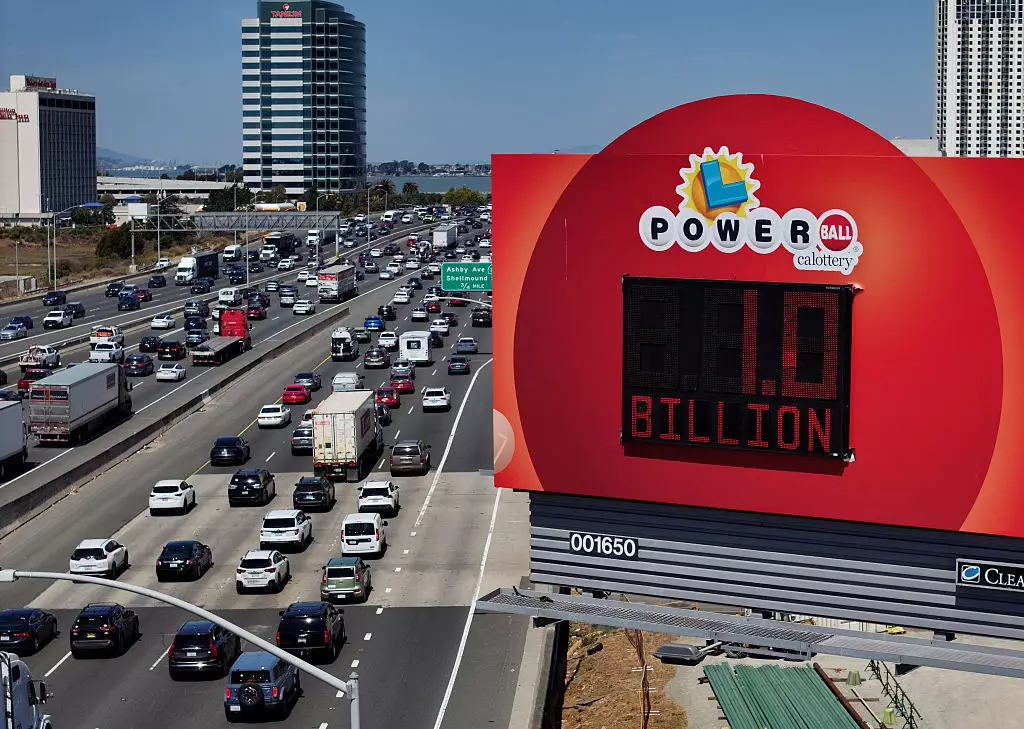
Since the state already derives substantial tax revenue from casinos, lawmakers feel no compulsion to introduce a lottery.
In Alabama and Utah, lotteries face stiff religious opposition. Conservative Christian churches in Alabama and the Mormon Latter-day Saints in Utah oppose gambling and have consistently thwarted attempts to introduce a lottery. However, those interested in playing can simply travel to a neighboring state.
This results in increased revenue for those states.
Residents of Alaska or Hawaii, due to their isolation, find it challenging to visit a lottery-participating state.
In Hawaii, political figures worry that a lottery or gambling industry might attract undesirable crowds and negatively impact the state’s family-friendly tourism image. Senator Daniel Inouye, a long-standing political leader, was against gambling for this reason. Even after his passing, the state’s anti-gambling stance remains strong.
Alaska, on the other hand, does not require the additional revenue. The state benefits significantly from oil, ensuring a robust state budget. Similar to Nevada, there is no pressing need to introduce a lottery.
That sums it up!